

Surgical Loupes · Ergonomics and health
How to choose surgical loupes for microsurgery with precision
Choosing surgical loupes for microsurgery requires evaluating magnification, field of view, ergonomics, and advanced systems. This guide helps surgeons and dentists make a technical and practical selection.
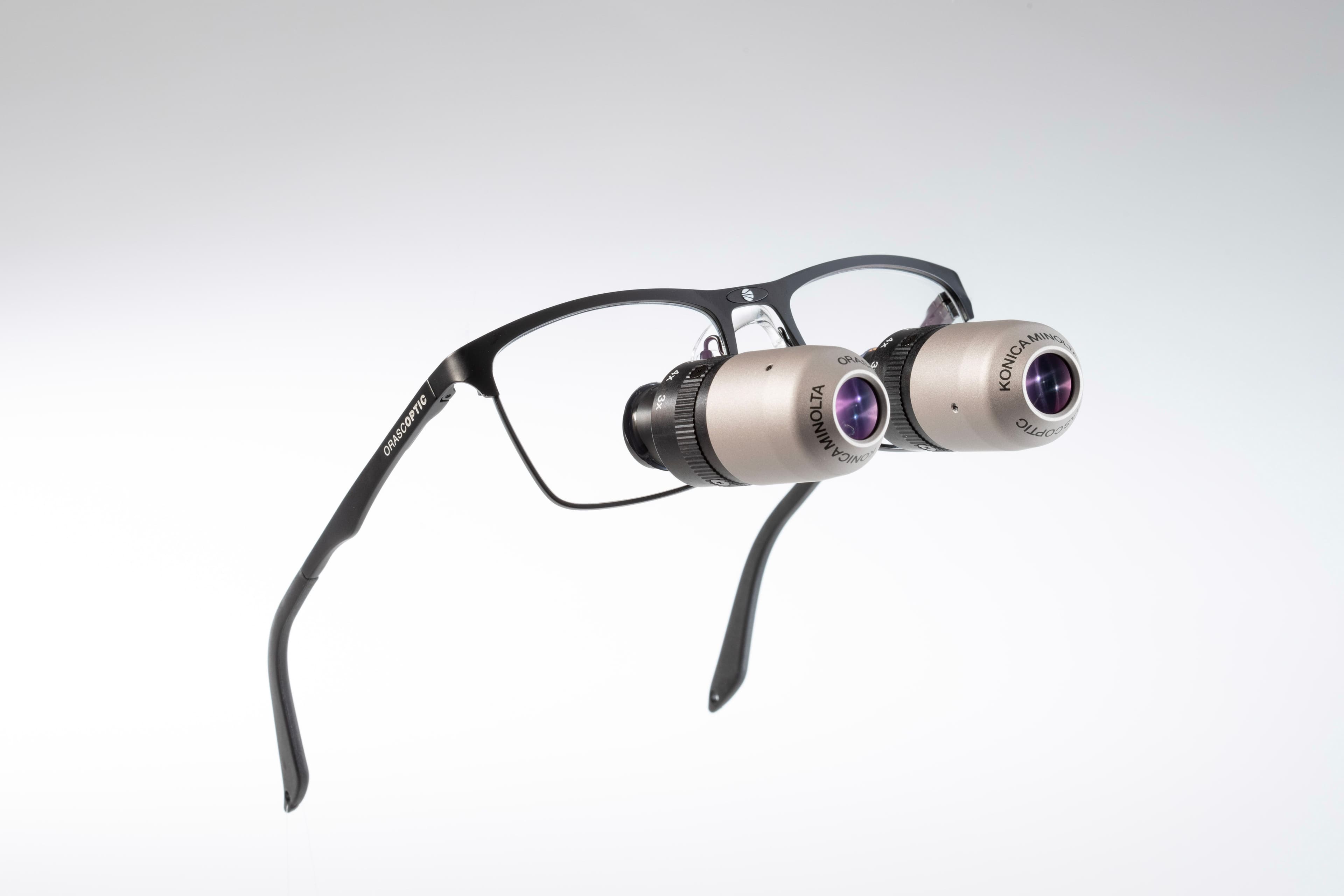
Surgical loupes for microsurgery should provide appropriate magnification, a stable field of view, and optimized ergonomics. The right choice directly affects technical precision, visual fatigue, and the clinician's posture, especially during lengthy or highly demanding procedures.
Key factors when choosing surgical loupes for microsurgery
Microsurgery requires a higher level of detail than other specialties. Therefore, not all surgical loupes deliver the same performance in this context.
1. Magnification: balancing detail and field of view
In microsurgery, common magnification levels range from 3.5x to 6.0x. Higher magnification provides greater detail, but reduces the field of view and depth of field.
- 3.5x – 4.5x: suitable for advanced dentistry or detailed general surgery
- 5.0x – 6.0x: recommended for more precise microsurgery
Variable systems such as EyeZoom allow magnification to be adjusted according to the stage of the procedure, without changing equipment.
2. Field of view and depth of field
A wide field of view improves anatomical orientation, while good depth of field reduces the need to readjust position.
In microsurgery, it is important to find a balance:
| Parameter | Clinical impact |
|---|---|
| Field of view | Improves overall perception |
| Depth of field | Reduces interruptions during the procedure |
3. Ergonomics and clinical posture
Posture is a critical factor in long procedures. Loupes must be adapted to the clinician's working distance and allow for neutral cervical alignment.
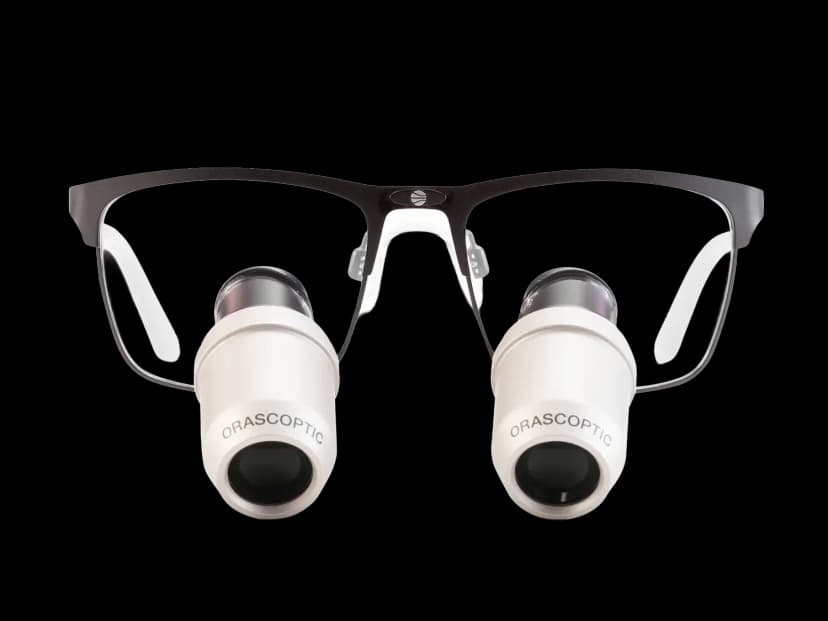
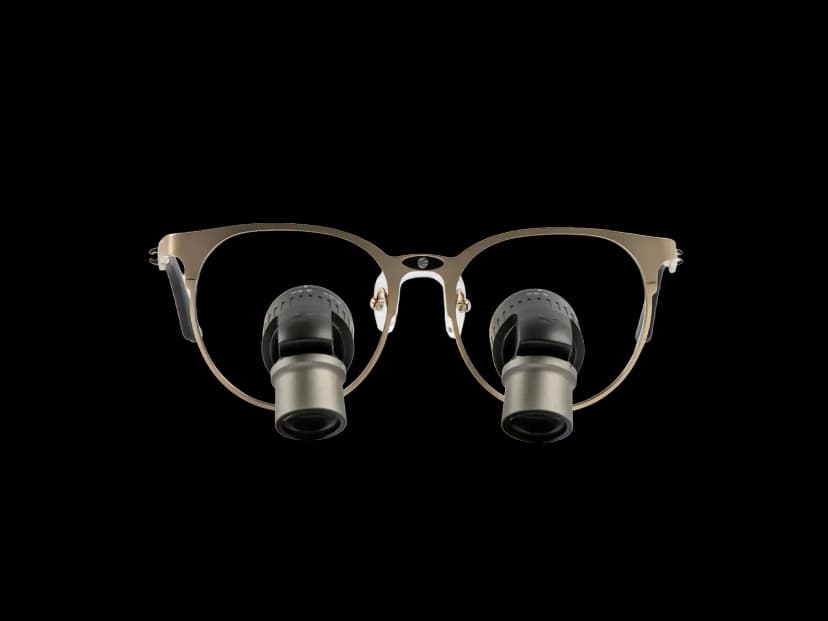
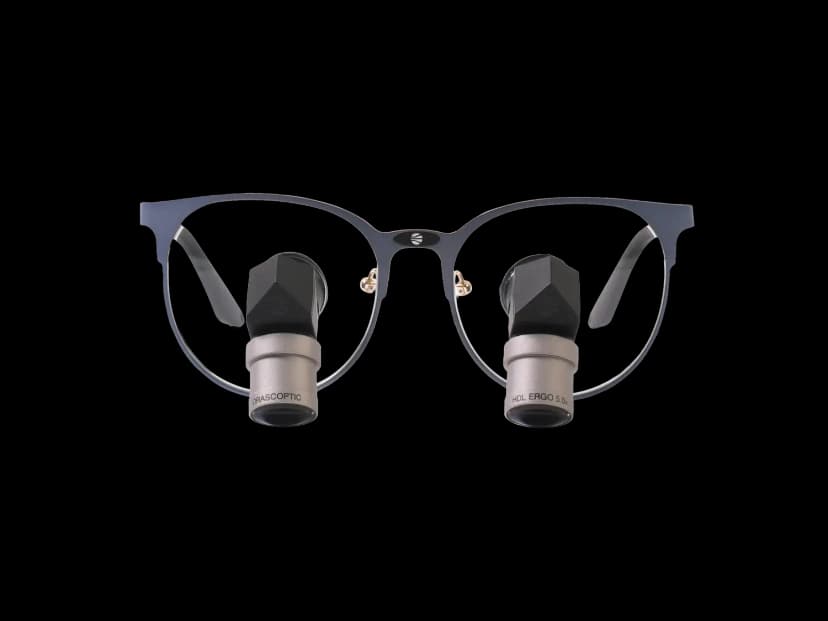
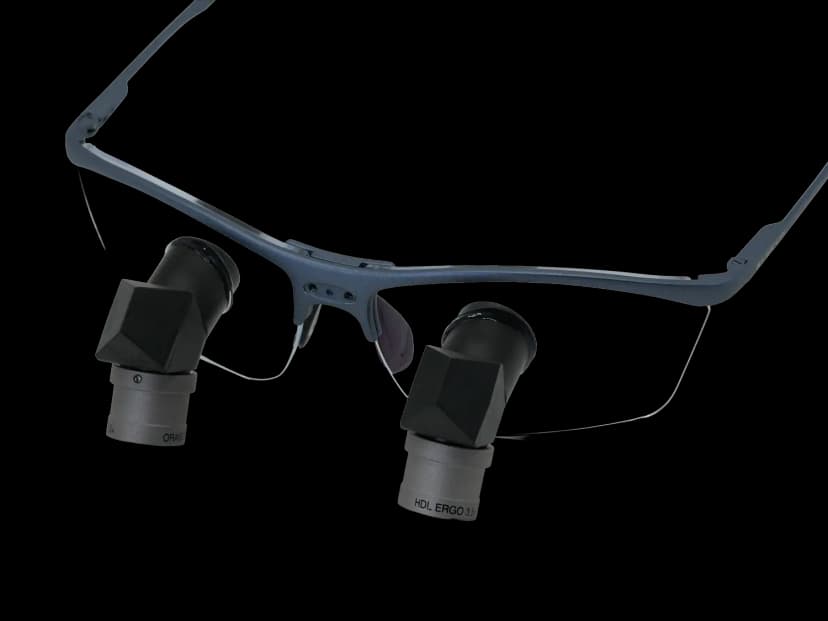
Options such as TTL (Through The Lens) loupes offer lighter, more customized integration, while flip-up loupes provide greater flexibility.
You can explore more about ergonomics in loupe use in the surgical loupes section.
4. Lighting systems (headlight)
In microsurgery, lighting is just as important as magnification. A coaxial headlight improves visibility in deep cavities and reduces shadows.
- Homogeneous light
- Neutral color temperature
- Intensity adjustment
See available options in headlights.
5. Advanced technology: variable magnification systems
Traditional loupes offer fixed magnification. However, in microsurgery, variable magnification systems make it possible to adapt to different stages of the procedure without changing optics.
The EyeZoom system integrates this functionality, making it easier to transition between general viewing and fine detail.
Which type of loupe should you choose based on the specialty?
Dentistry (endodontics, oral surgery)
- Magnification: 3.5x – 5.0x
- Priority: field of view + ergonomics
Plastic and reconstructive surgery
- Magnification: 4.0x – 6.0x
- Priority: detail + lighting
Orthopedics (micro-procedures)
- Magnification: 3.5x – 5.5x
- Priority: depth of field
Frequently asked questions
What magnification is recommended for surgical loupes in microsurgery?
It depends on the type of procedure, but generally between 3.5x and 6.0x. Higher magnification provides greater detail, although it reduces the field of view. In many cases, variable magnification systems offer greater clinical versatility.
Are TTL or flip-up loupes better for microsurgery?
TTL loupes offer better ergonomics and lower weight, which is beneficial for long procedures. Flip-up loupes allow position adjustment and equipment sharing, but they may be less stable in high-precision procedures.
Why is a headlight important in microsurgery?
Because it improves visibility in deep areas or spaces with limited access. A coaxial lighting system reduces shadows and improves the perception of anatomical details during the procedure.
What advantage does a system like EyeZoom provide?
It allows you to change magnification without removing the loupes, adapting to different stages of the procedure. This improves clinical efficiency and reduces interruptions during surgery.
How does ergonomics influence the choice?
Poor ergonomics can cause neck and visual fatigue. Loupes must be adjusted to the working distance and allow a neutral posture, especially in prolonged procedures.
Choosing surgical loupes for microsurgery: a technical and personalized decision
Selecting surgical loupes for microsurgery involves analyzing magnification, ergonomics, lighting, and the type of procedure. There is no single solution that works for every clinician.
Evaluating options such as surgical loupes and advanced systems makes it possible to adapt the equipment to each clinical need.
To receive technical advice or request a demonstration, you can contact us directly at:
https://optimedic.es/en/contact?product=surgical-loupes
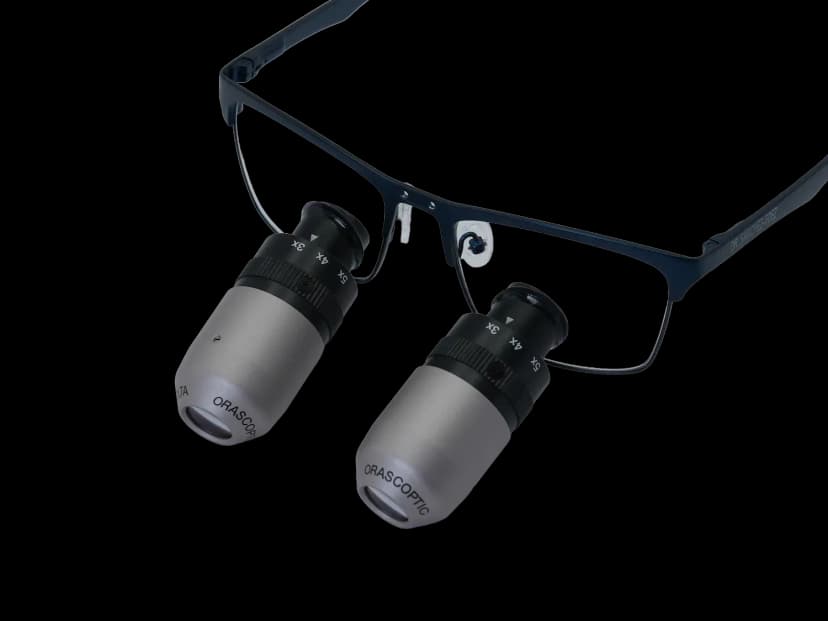
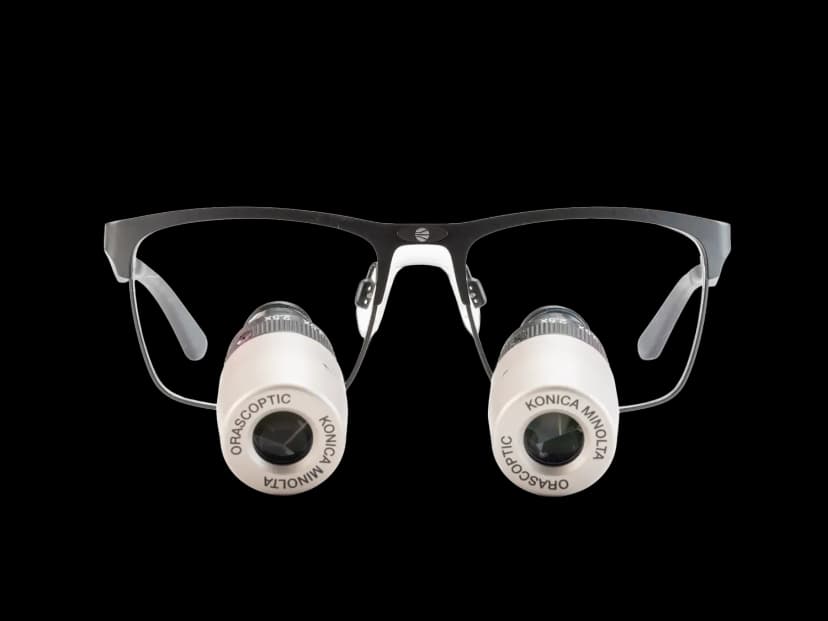
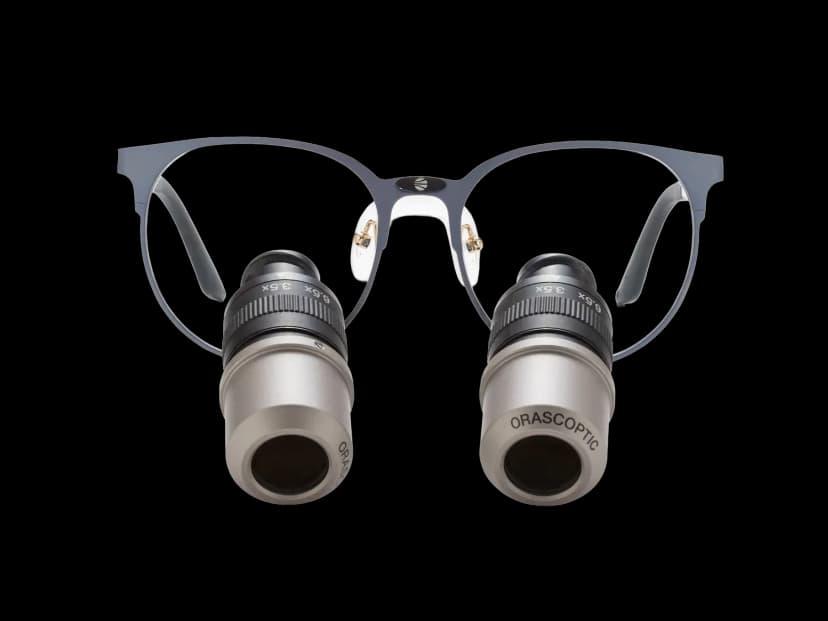
Related products
Other posts
Surgical Loupes
Surgical Loupe Maintenance and Cleaning: Lifespan, Warranty and Best Practices
· Optimedic Team
5 min read
Proper maintenance of surgical loupes preserves their optical quality and extends their lifespan beyond 10 years. We review daily routines, common mistakes and warranty conditions.
Read article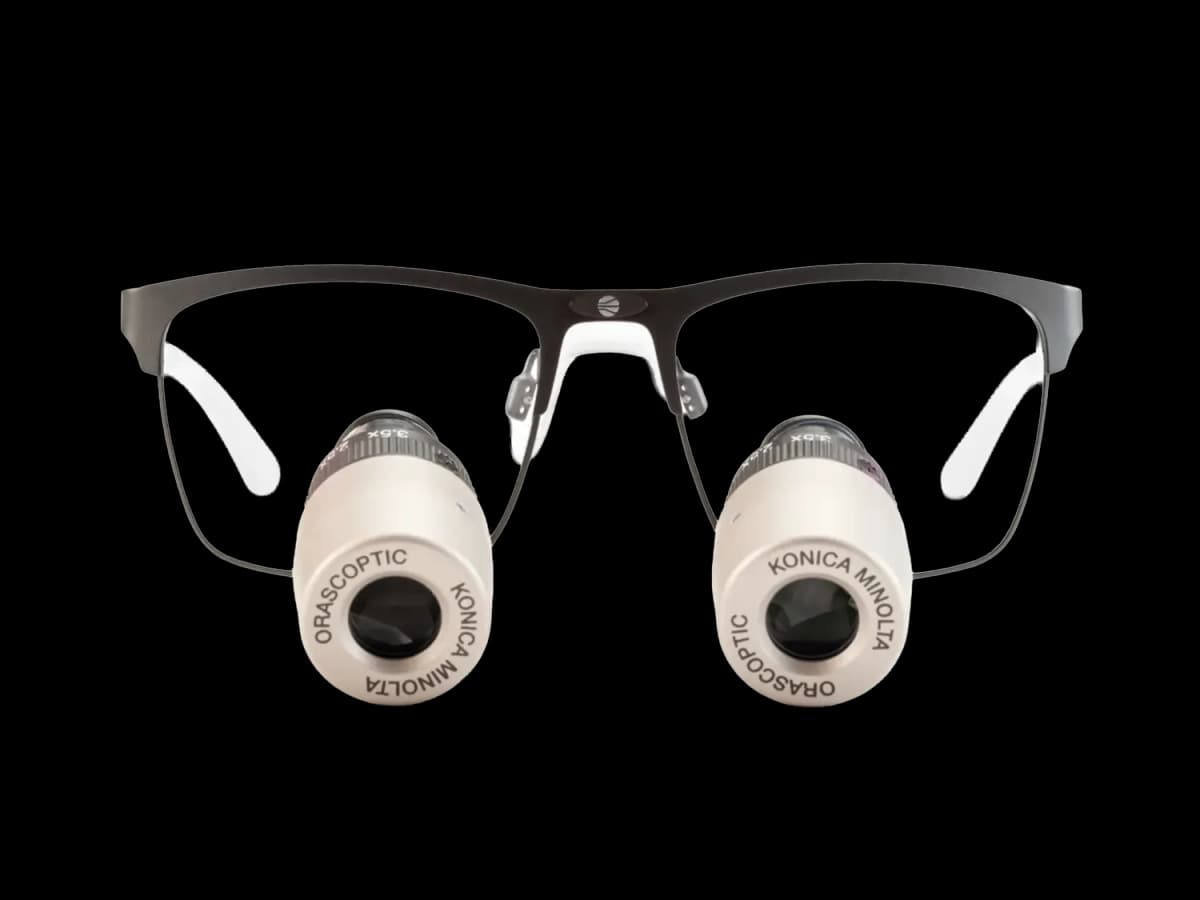
Surgical Loupes · Clinical applications
Surgical Loupes for Maxillofacial Surgery: Technical Criteria and Recommended Magnification
· Carolina Gay Sorrius
7 min read
Maxillofacial surgery combines deep field and sub-millimeter detail. We review technical criteria for surgical loupes in this specialty: magnification, lighting and postural ergonomics.
Read article
Surgical Loupes
Prismatic vs Galilean Surgical Loupes: Optical Differences, Field and Weight
· Optimedic Team
7 min read
Galilean and prismatic loupes are the two main optical architectures in surgical loupes. We compare field of view, depth of focus, weight and useful magnification range of each system.
Read article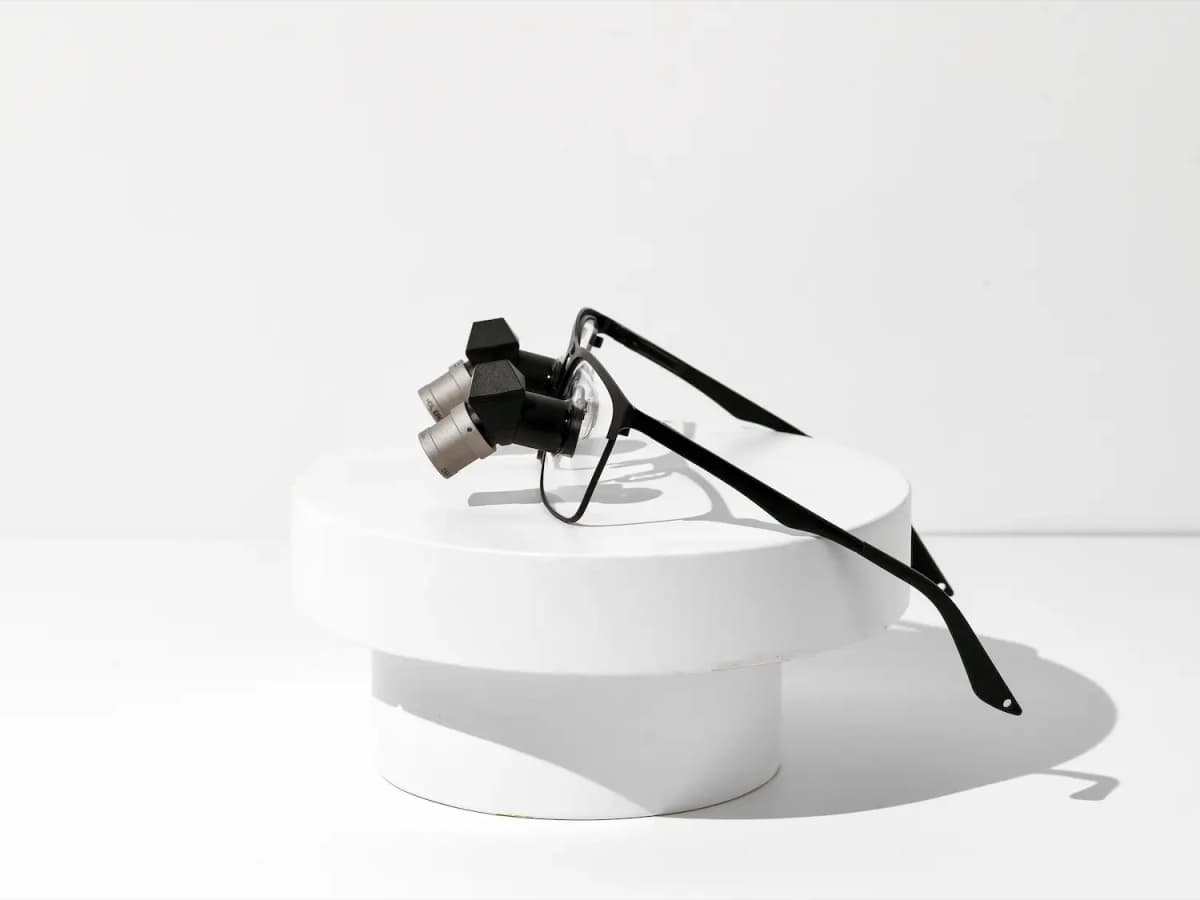
Ergonomics and health · Surgical Loupes
Surgeon Ergonomics and Cervical Pain with Loupes: TTL, Declination Angle and Prisms
· Carolina Gay Sorrius
6 min read
Surgeon cervical pain with loupes has a technical cause: insufficient declination angle, mis-fitted working distance or absence of deflection prisms. We analyze the factors and the technical solutions.
Read article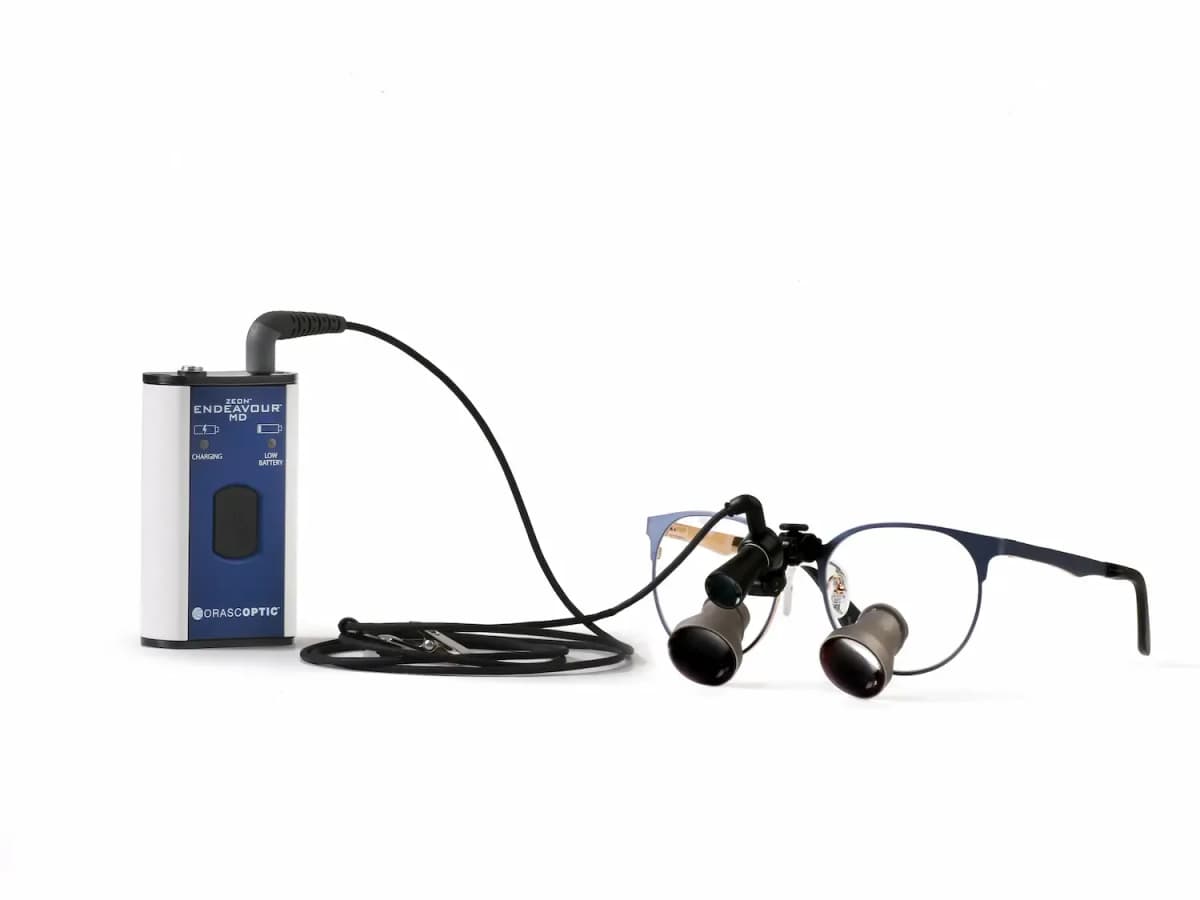
Surgical Loupes
Surgical Loupes with LED Light: When an Integrated Headlight Pays Off
· Optimedic Team
6 min read
An integrated LED headlight on loupes provides coaxial light onto the magnified field and removes shadows. We analyze when it pays off and which specifications to evaluate.
Read article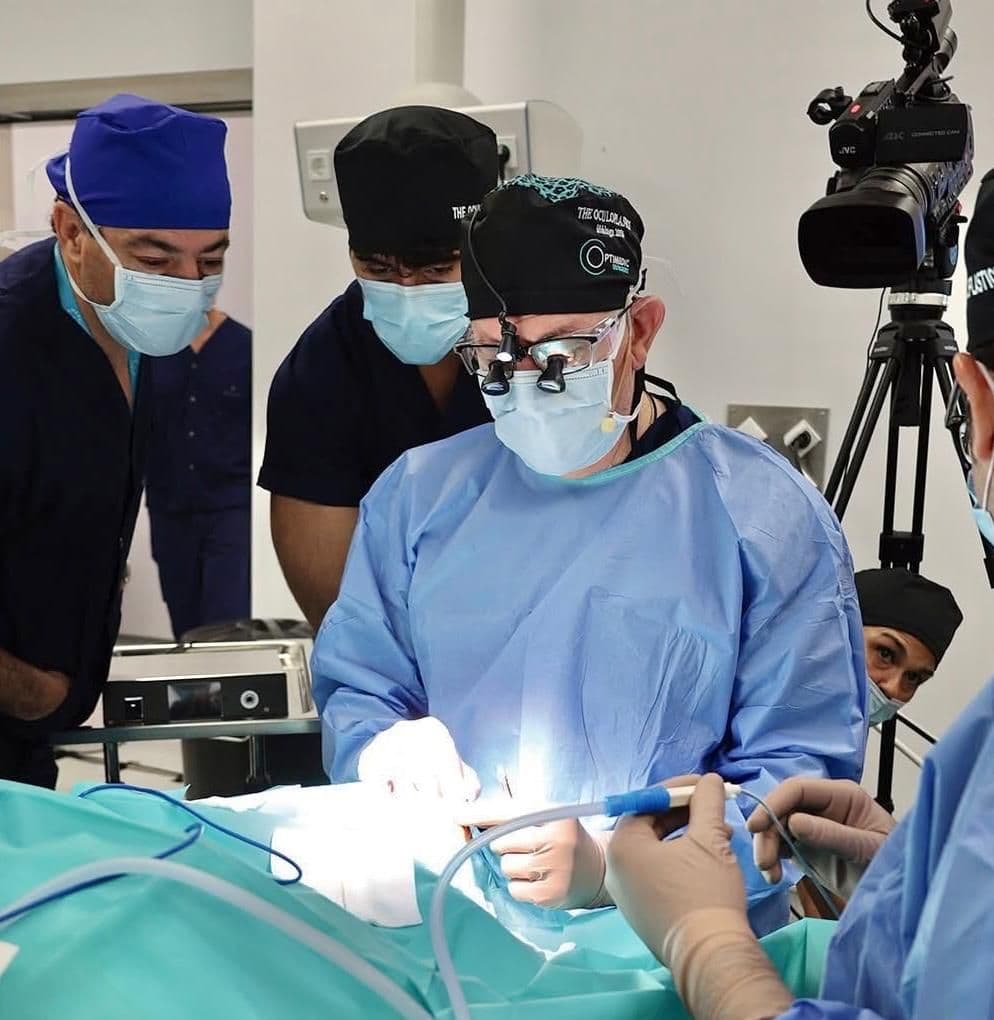
Surgical Loupes · Ergonomics and health
Surgical loupes: why they are essential in surgery
· Carolina Gay Sorrius
4 min read
Surgical loupes improve visual precision, reduce fatigue, and optimize the surgeon's posture. We explain why they are essential in today's clinical environment.
Read article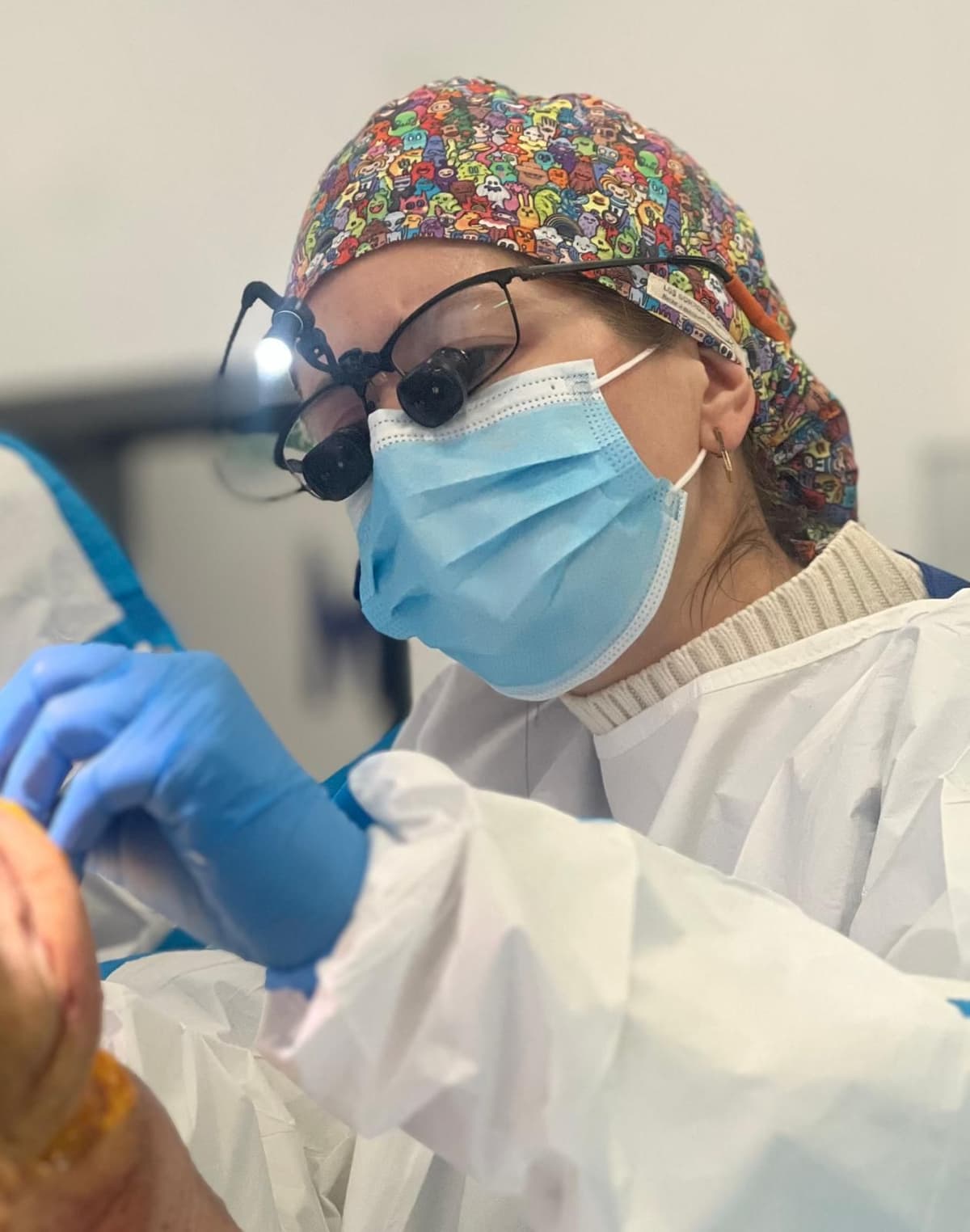
Ergonomics and health · Surgical Loupes
Orascoptic Headlight: Importance in Clinical Practice
3 min read
Headlight illumination is essential for precise visualization in the clinic and operating room. We examine how the Orascoptic headlight helps reduce shadows, improve ergonomics, and optimize outcomes.
Read article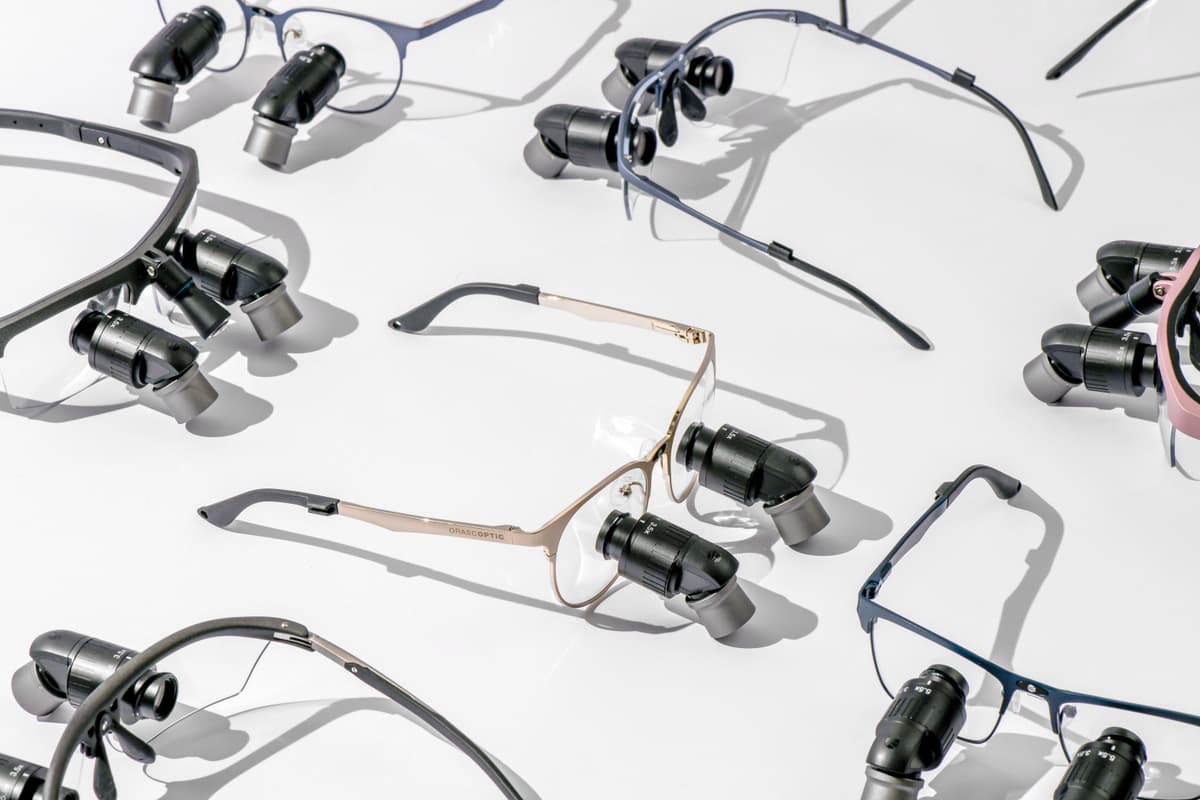
Surgical Loupes · Clinical applications
Surgical Loupes for Plastic Surgery: Selection Criteria
· Carolina Gay Sorrius
6 min read
Surgical loupes in plastic surgery must combine medium-high magnification, ergonomics and proper lighting for long sessions. We review technical criteria by subspecialty.
Read article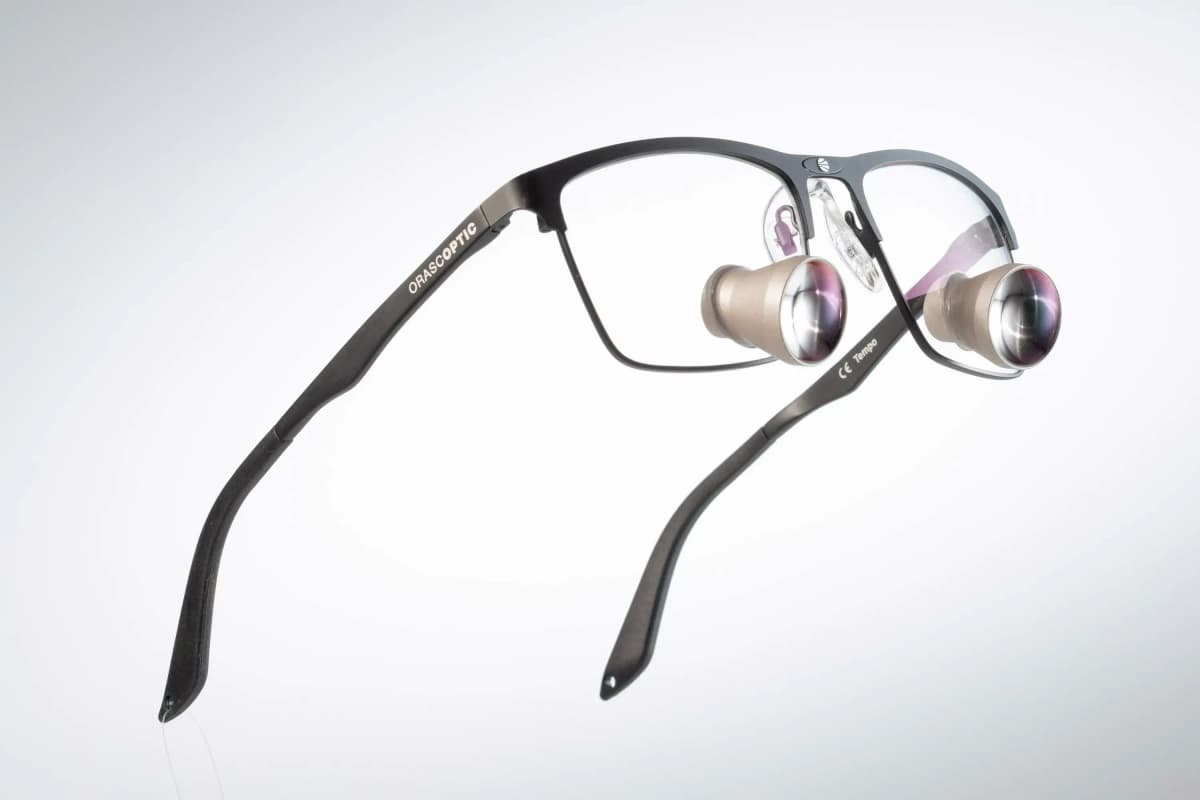
Surgical Loupes · Clinical applications
Which Magnification to Choose for Surgical Loupes: 2.5x, 3.5x or 4.5x
· Carolina Gay Sorrius
6 min read
Choosing the right magnification in surgical loupes affects field of view, depth of focus and posture. We compare 2.5x, 3.5x and 4.5x by specialty and procedure.
Read article
Surgical Loupes · Ergonomics and health
Working distance in surgical loupes: technical guide
· Optimedic Team
4 min read
Working distance in surgical loupes affects posture, field of view, and precision. This guide explains how to measure and adjust it according to height and clinical practice.
Read article
Other posts
Surgical Loupes · Ergonomics and health
TTL vs flip-up loupes: what to choose by specialty
· Carolina Gay Sorrius
4 min read
A comparative analysis of TTL and flip-up loupes for dentists and surgeons. Review ergonomics, optical precision and clinical fit to make an informed decision.
Read articleSurgical Loupes
Surgical Loupe Maintenance and Cleaning: Lifespan, Warranty and Best Practices
· Optimedic Team
5 min read
Proper maintenance of surgical loupes preserves their optical quality and extends their lifespan beyond 10 years. We review daily routines, common mistakes and warranty conditions.
Read articleSurgical Loupes · Clinical applications
Surgical Loupes for Maxillofacial Surgery: Technical Criteria and Recommended Magnification
· Carolina Gay Sorrius
7 min read
Maxillofacial surgery combines deep field and sub-millimeter detail. We review technical criteria for surgical loupes in this specialty: magnification, lighting and postural ergonomics.
Read articleSurgical Loupes
Prismatic vs Galilean Surgical Loupes: Optical Differences, Field and Weight
· Optimedic Team
7 min read
Galilean and prismatic loupes are the two main optical architectures in surgical loupes. We compare field of view, depth of focus, weight and useful magnification range of each system.
Read articleErgonomics and health · Surgical Loupes
Surgeon Ergonomics and Cervical Pain with Loupes: TTL, Declination Angle and Prisms
· Carolina Gay Sorrius
6 min read
Surgeon cervical pain with loupes has a technical cause: insufficient declination angle, mis-fitted working distance or absence of deflection prisms. We analyze the factors and the technical solutions.
Read articleSurgical Loupes
Surgical Loupes with LED Light: When an Integrated Headlight Pays Off
· Optimedic Team
6 min read
An integrated LED headlight on loupes provides coaxial light onto the magnified field and removes shadows. We analyze when it pays off and which specifications to evaluate.
Read articleSurgical Loupes · Ergonomics and health
Surgical loupes: why they are essential in surgery
· Carolina Gay Sorrius
4 min read
Surgical loupes improve visual precision, reduce fatigue, and optimize the surgeon's posture. We explain why they are essential in today's clinical environment.
Read articleErgonomics and health · Surgical Loupes
Orascoptic Headlight: Importance in Clinical Practice
3 min read
Headlight illumination is essential for precise visualization in the clinic and operating room. We examine how the Orascoptic headlight helps reduce shadows, improve ergonomics, and optimize outcomes.
Read articleSurgical Loupes · Clinical applications
Surgical Loupes for Plastic Surgery: Selection Criteria
· Carolina Gay Sorrius
6 min read
Surgical loupes in plastic surgery must combine medium-high magnification, ergonomics and proper lighting for long sessions. We review technical criteria by subspecialty.
Read articleSurgical Loupes · Clinical applications
Which Magnification to Choose for Surgical Loupes: 2.5x, 3.5x or 4.5x
· Carolina Gay Sorrius
6 min read
Choosing the right magnification in surgical loupes affects field of view, depth of focus and posture. We compare 2.5x, 3.5x and 4.5x by specialty and procedure.
Read article