


Carolina Gay Sorrius
CEO of Optimedic
Carolina Gay Sorrius founded Optimedic in 2010 with a clear conviction: Spanish surgical professionals deserve access to the best visualization and illumination technology in the world, along with the expert guidance that such technology requires.
Since then, she has built direct relationships with leading manufacturers such as Orascoptic (Madison, Wisconsin), Taiyo Corporation (Tokyo) and MediThinQ (South Korea), bringing to Spain systems that until then had only been available in English-speaking markets.
Her approach is not commercial but clinical: before recommending a product, Carolina studies the surgeon's specialty, their usual posture in the operating room, the type of procedures they perform, and the lighting conditions of their working environment. That methodology — which she calls "surgical fitting"— is the reason why 90% of the professionals who work with Optimedic come back.
Areas of specialization:
- Surgical loupes with fixed, variable, and ergonomic magnification
- LED headlight systems for surgery
- Wearable visualization technology (exoscopes)
- Energy-assisted liposuction (PAL system)
- Training in precision surgical technology
Published articles
Surgical Loupes · Clinical applications
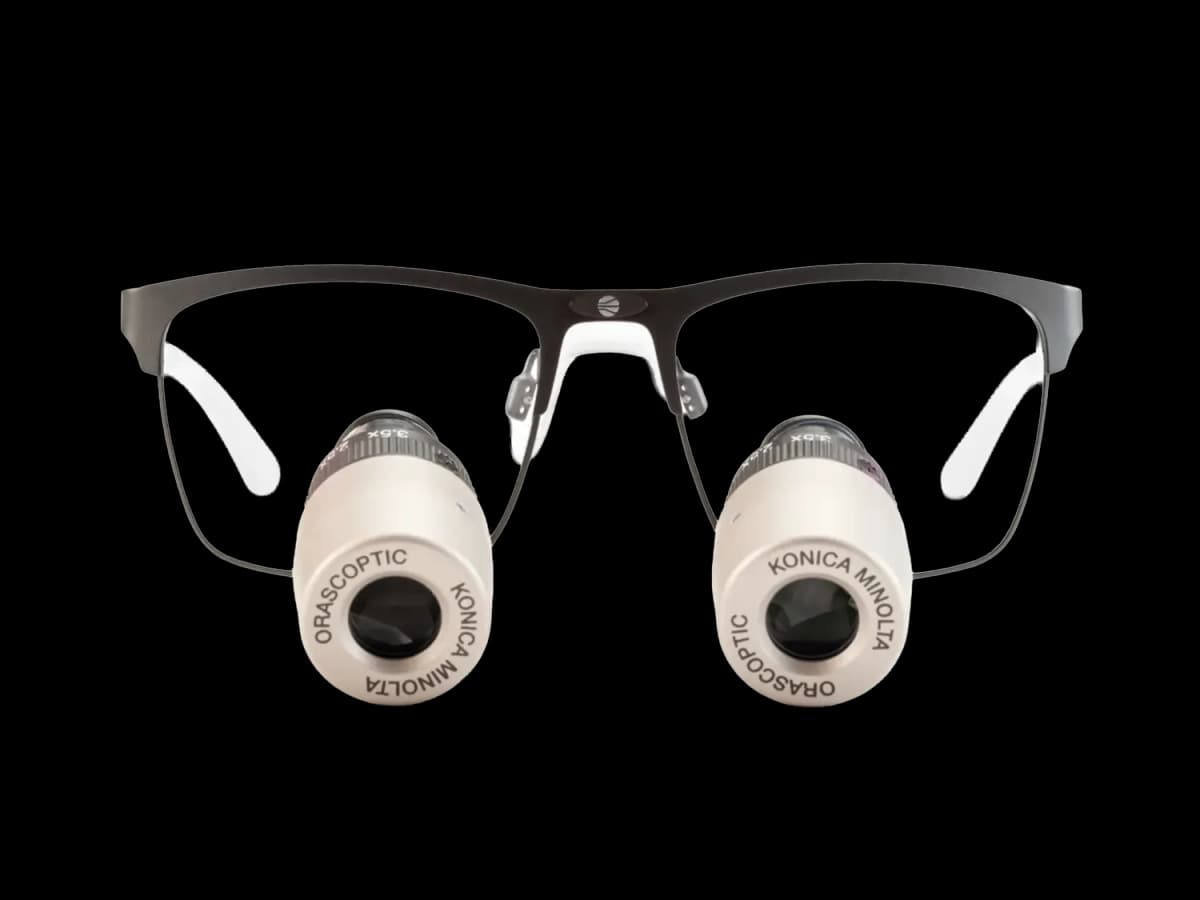
Surgical Loupes for Maxillofacial Surgery: Technical Criteria and Recommended Magnification
· Carolina Gay Sorrius
7 min read
Maxillofacial surgery combines deep field and sub-millimeter detail. We review technical criteria for surgical loupes in this specialty: magnification, lighting and postural ergonomics.
Read article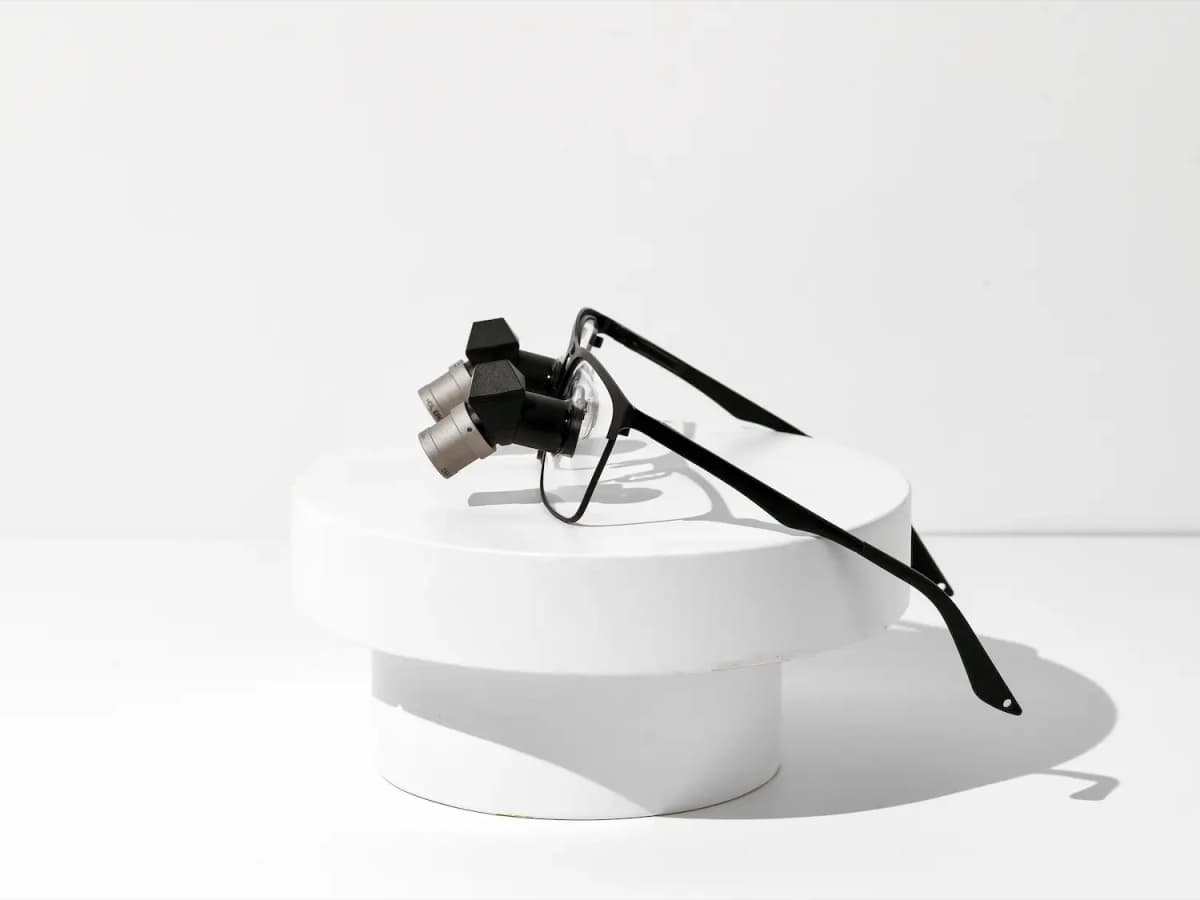
Ergonomics and health · Surgical Loupes
Surgeon Ergonomics and Cervical Pain with Loupes: TTL, Declination Angle and Prisms
· Carolina Gay Sorrius
6 min read
Surgeon cervical pain with loupes has a technical cause: insufficient declination angle, mis-fitted working distance or absence of deflection prisms. We analyze the factors and the technical solutions.
Read article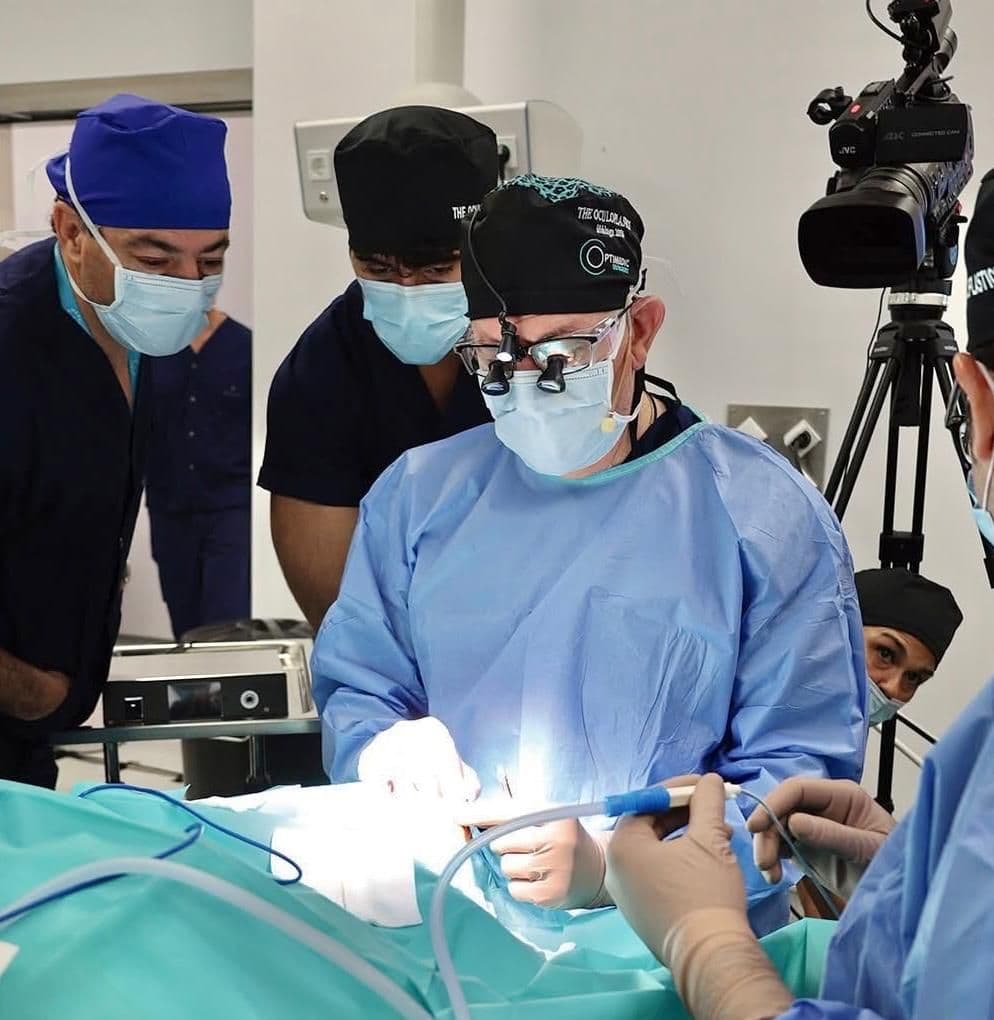
Surgical Loupes · Ergonomics and health
Surgical loupes: why they are essential in surgery
· Carolina Gay Sorrius
4 min read
Surgical loupes improve visual precision, reduce fatigue, and optimize the surgeon's posture. We explain why they are essential in today's clinical environment.
Read article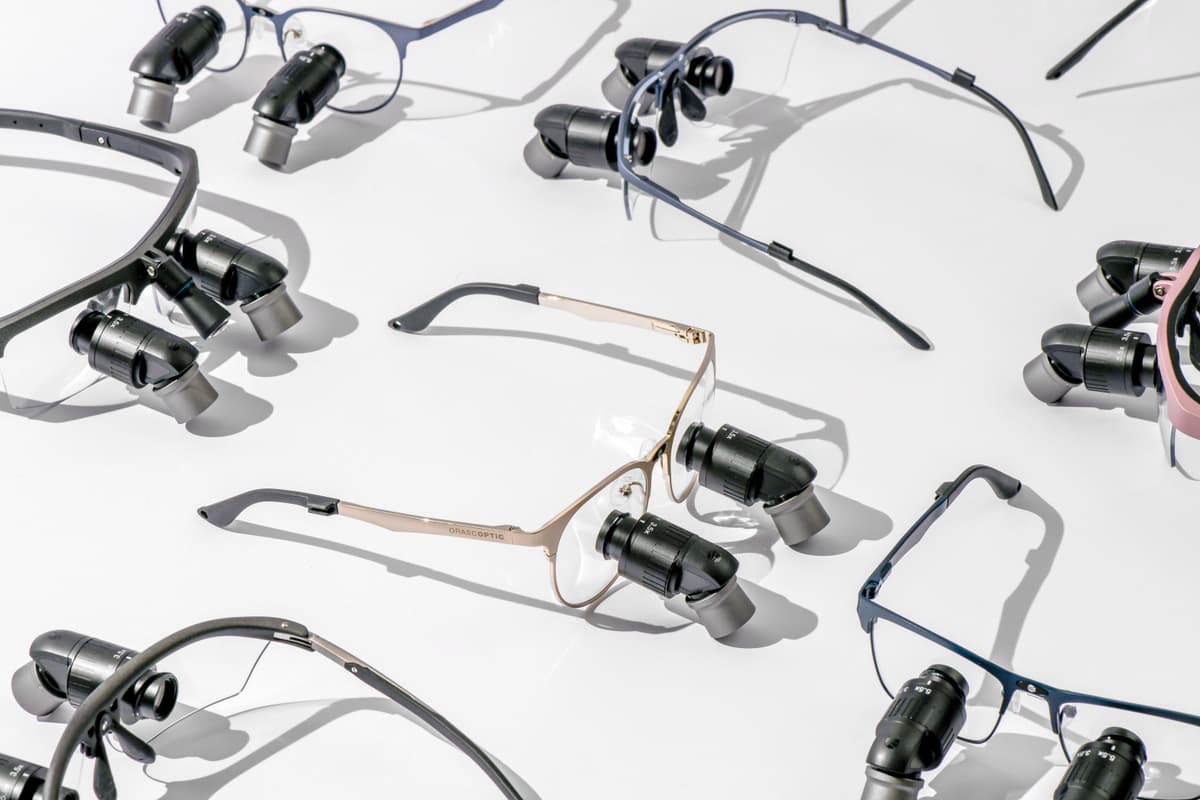
Surgical Loupes · Clinical applications
Surgical Loupes for Plastic Surgery: Selection Criteria
· Carolina Gay Sorrius
6 min read
Surgical loupes in plastic surgery must combine medium-high magnification, ergonomics and proper lighting for long sessions. We review technical criteria by subspecialty.
Read article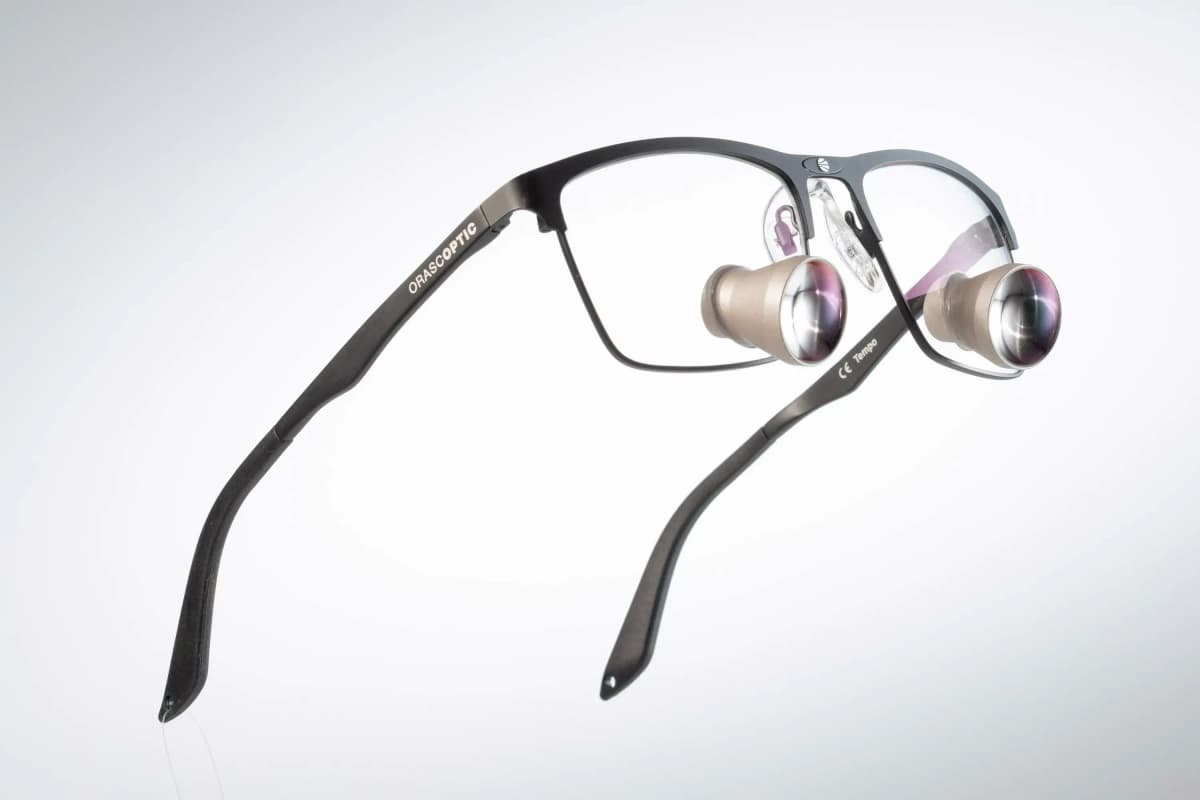
Surgical Loupes · Clinical applications
Which Magnification to Choose for Surgical Loupes: 2.5x, 3.5x or 4.5x
· Carolina Gay Sorrius
6 min read
Choosing the right magnification in surgical loupes affects field of view, depth of focus and posture. We compare 2.5x, 3.5x and 4.5x by specialty and procedure.
Read article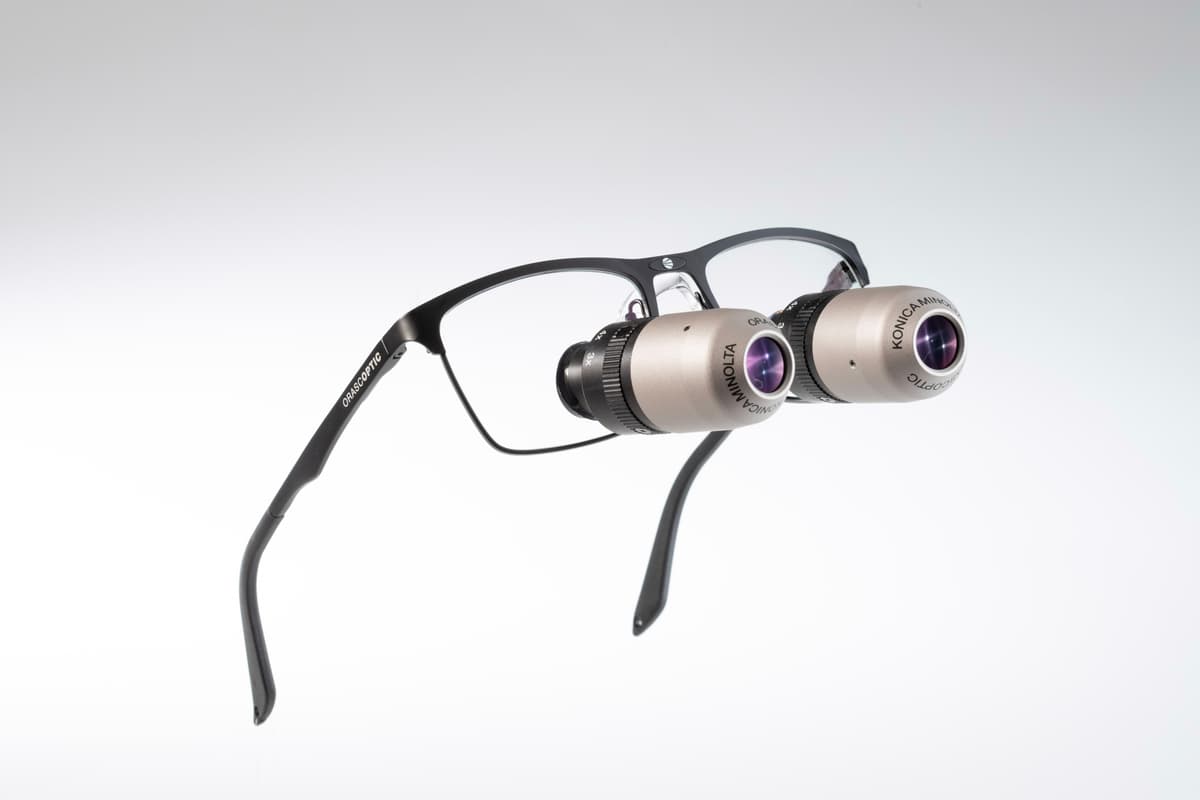
Surgical Loupes · Ergonomics and health
How to choose surgical loupes for microsurgery with precision
· Carolina Gay Sorrius
4 min read
Choosing surgical loupes for microsurgery requires evaluating magnification, field of view, ergonomics, and advanced systems. This guide helps surgeons and dentists make a technical and practical selection.
Read article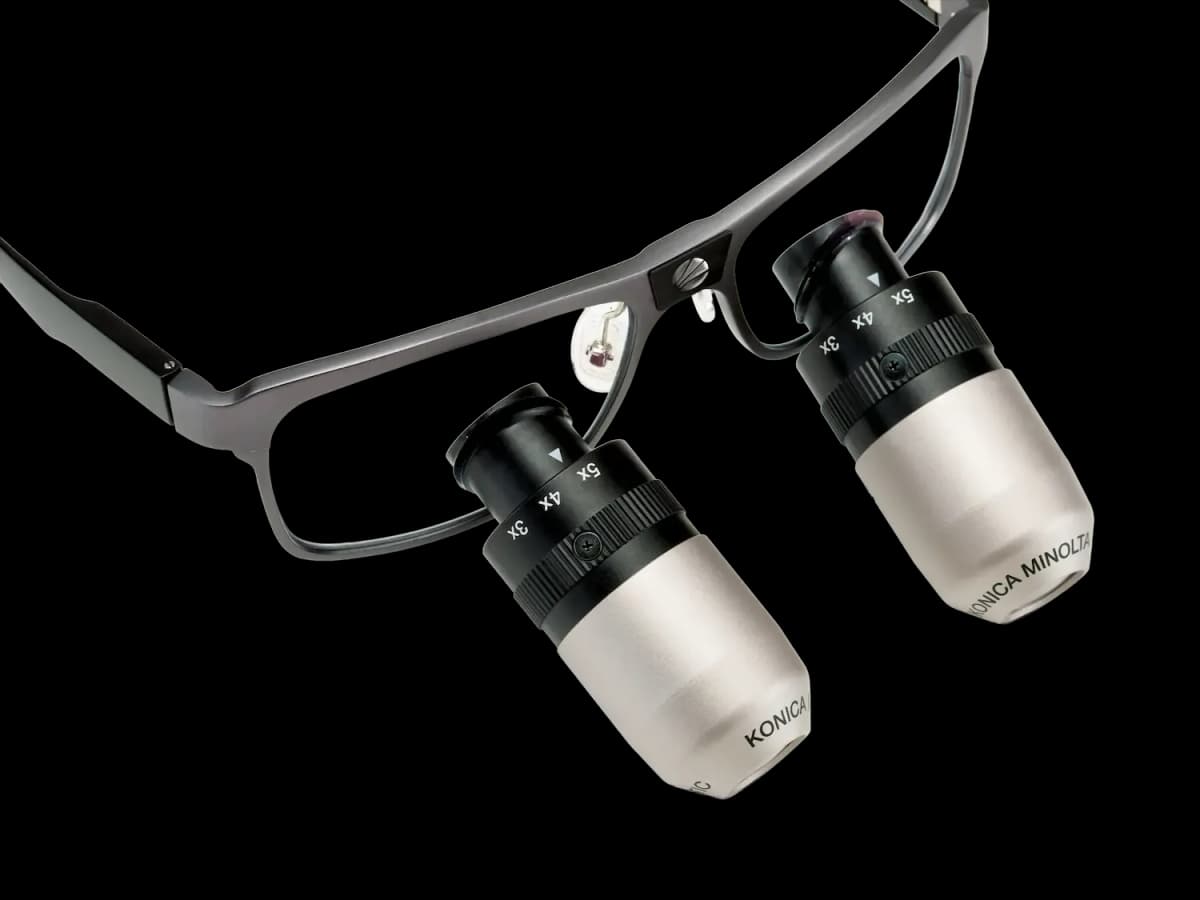
Surgical Loupes · Clinical applications
EyeZoom loupes: complete guide to variable magnification
· Carolina Gay Sorrius
6 min read
A complete analysis of EyeZoom variable magnification loupes: how they work, differences between models, and which professional profile benefits most from each configuration in the clinic and operating room.
Read article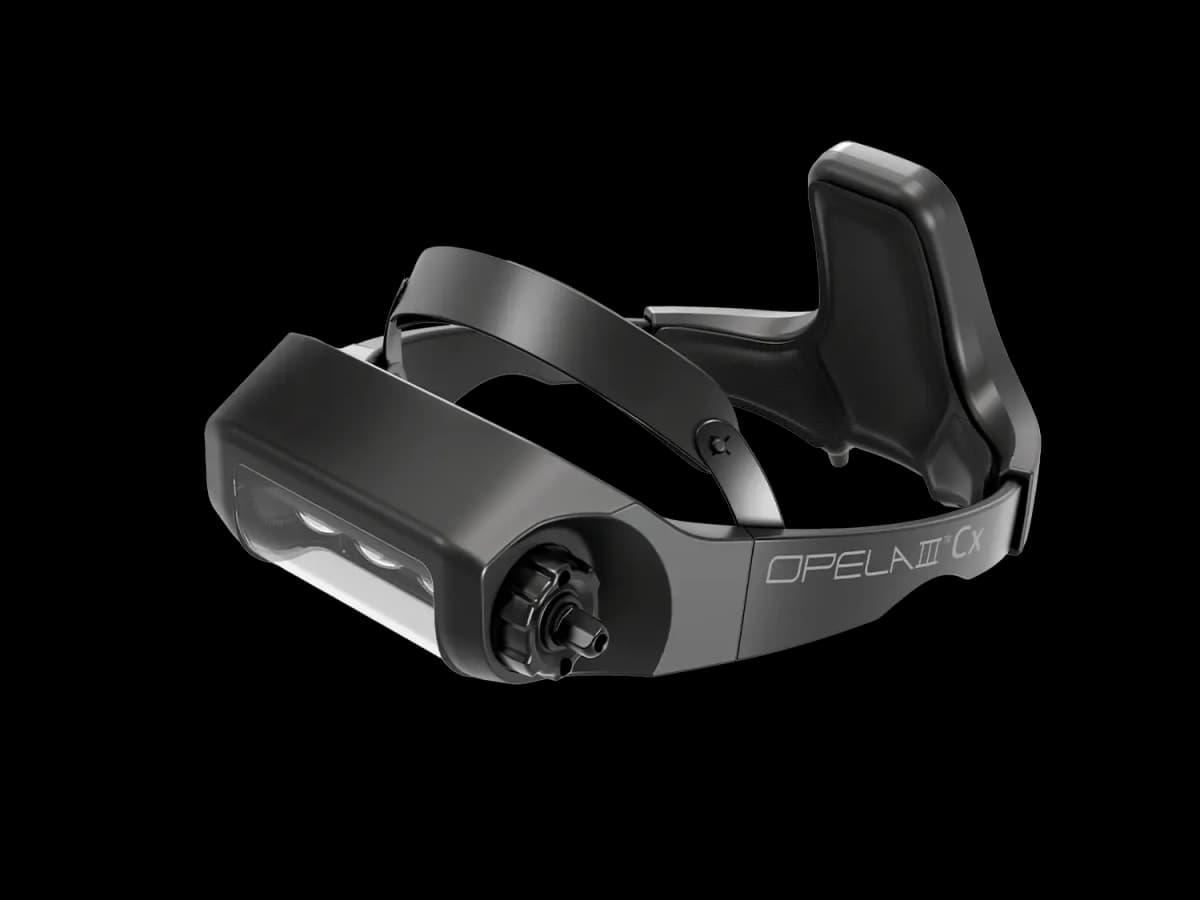
Surgery and equipment
Opela III Cx: portable wearable surgical headlight
· Carolina Gay Sorrius
5 min read
Opela III Cx redefines portable surgical lighting with a high-intensity wearable system, advanced ergonomics, and precise control of the light field across multiple clinical settings.
Read article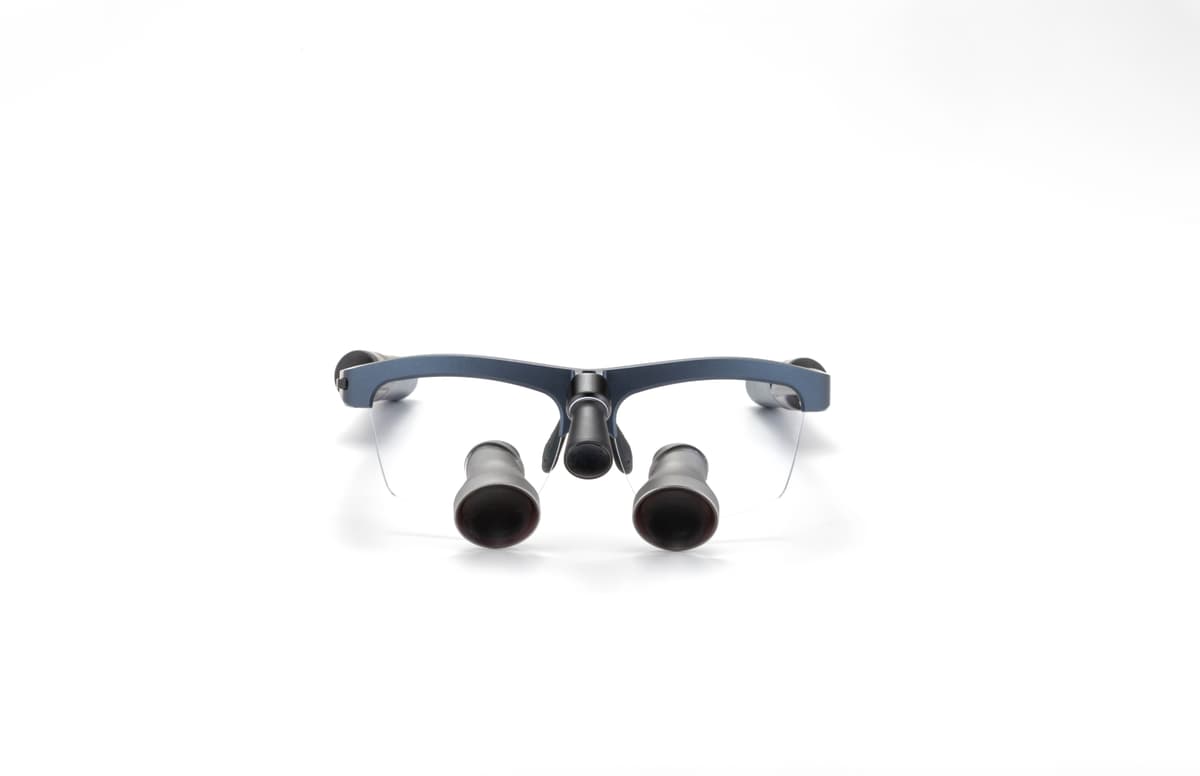
Surgical Loupes · Ergonomics and health
TTL vs flip-up loupes: what to choose by specialty
· Carolina Gay Sorrius
4 min read
A comparative analysis of TTL and flip-up loupes for dentists and surgeons. Review ergonomics, optical precision and clinical fit to make an informed decision.
Read article