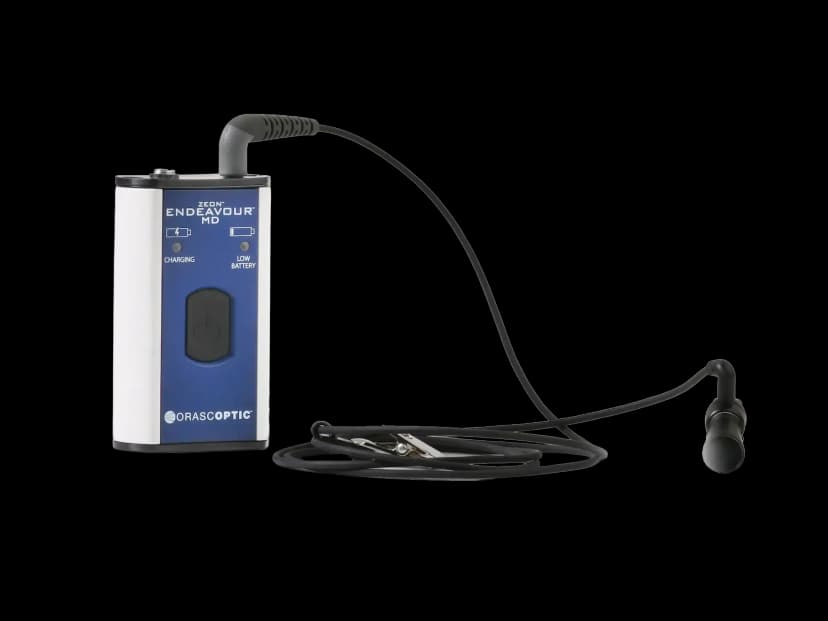
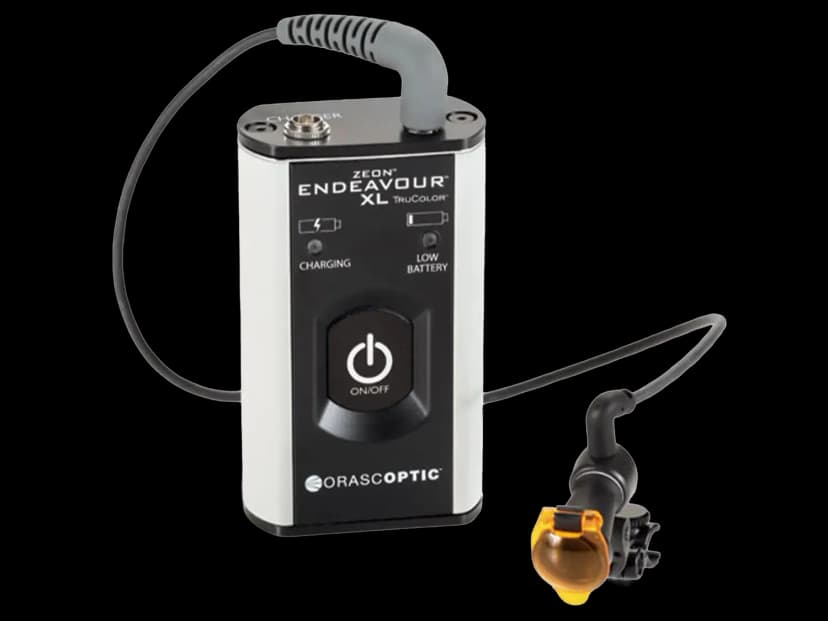
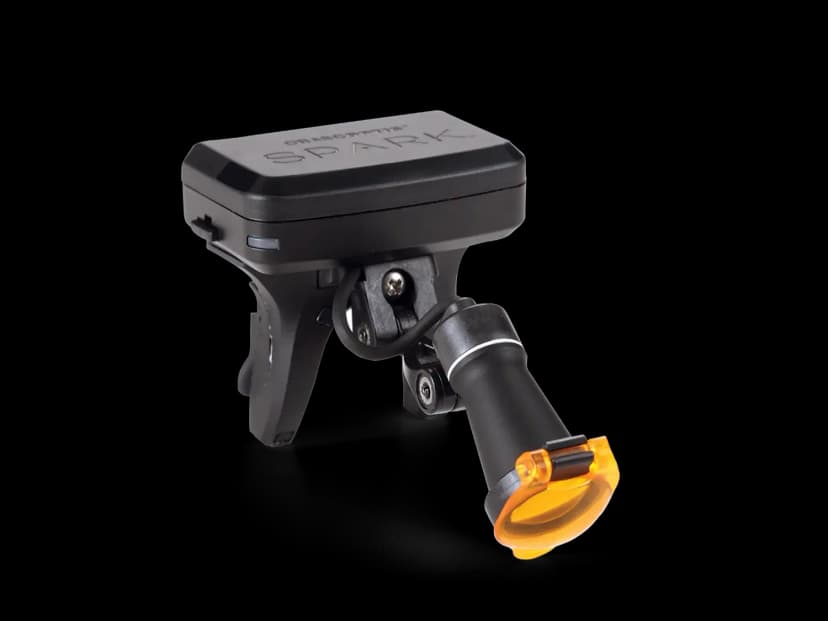
Ergonomics and health · Surgical Loupes
Orascoptic Headlight: Importance in Clinical Practice
Headlight illumination is essential for precise visualization in the clinic and operating room. We examine how the Orascoptic headlight helps reduce shadows, improve ergonomics, and optimize outcomes.
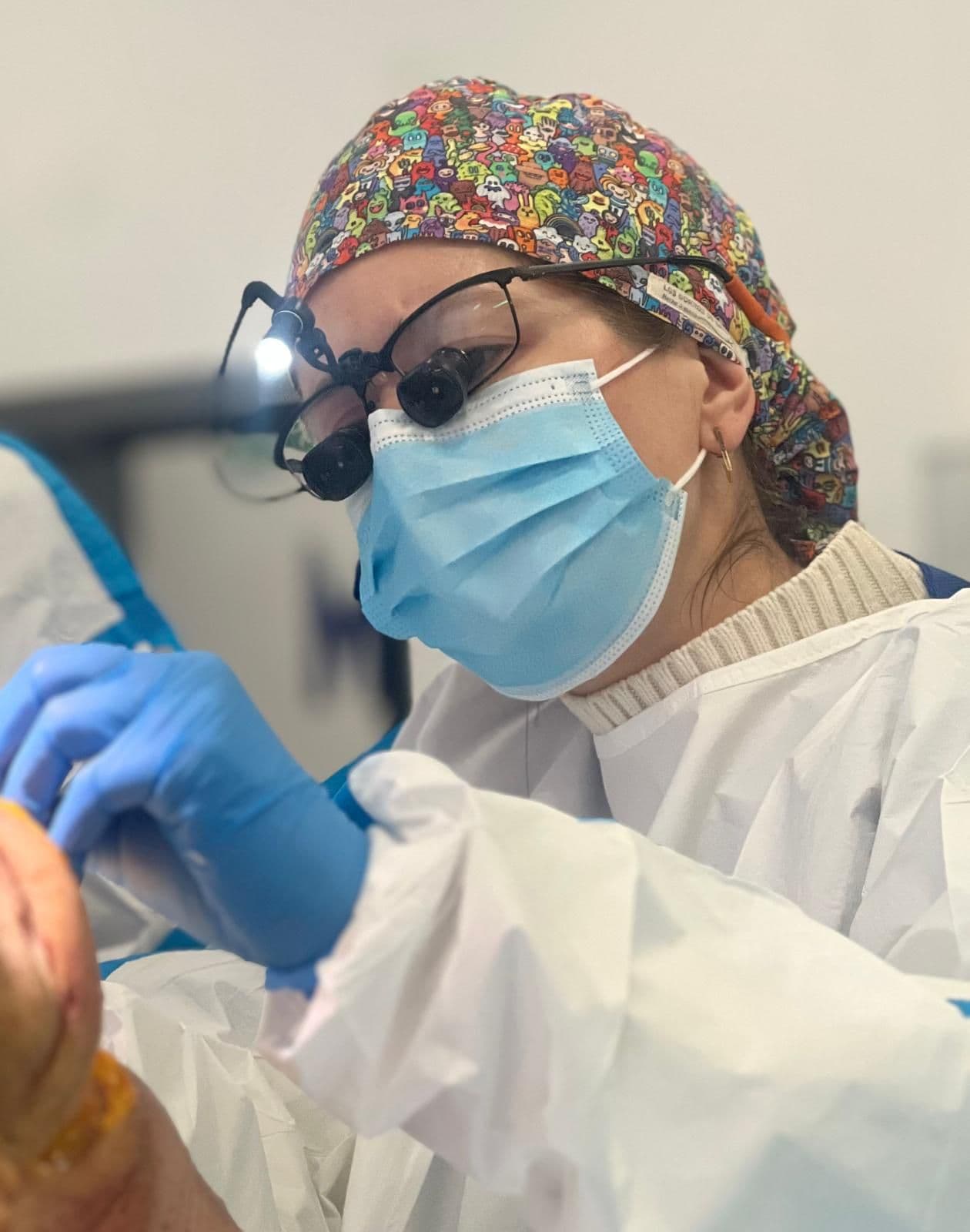
The Orascoptic headlight is essential because it provides coaxial light aligned with the line of sight, reducing shadows and improving clinical precision. This makes it possible to work with greater clarity in confined fields, optimizing both ergonomics and visual quality during demanding procedures.
Why is headlight illumination essential in clinical practice?
In clinical and surgical settings, lighting quality directly influences diagnostic and therapeutic precision. Unlike external light sources, a headlight projects light exactly where the clinician is looking.
This is especially relevant in procedures where the visual field is limited or deep, such as dentistry, surgery, or technical examinations. Coaxial lighting reduces shadows cast by instruments or hands, enabling more uniform visibility.
To better understand the full ecosystem, you can explore the solutions available in surgical loupes and their integration with lighting systems.
Benefits of the Orascoptic headlight
Using an Orascoptic headlight offers clear advantages in daily practice:
- Shadow reduction: the light follows the line of sight, eliminating interference.
- Greater precision: improves the identification of anatomical structures.
- Lighting consistency: stable intensity throughout the procedure.
- Compatibility with loupes: direct integration with magnification systems.
- Ergonomic optimization: avoids forced postures to find better lighting.
In addition, combining it with solutions such as headlights allows the setup to be adapted to different specialties.
Lighting and ergonomics: a direct relationship
Poor lighting forces clinicians to lean forward or constantly adjust their posture, which can lead to neck or visual fatigue. The Orascoptic headlight helps maintain a neutral posture, as it eliminates the need to "search for the light."
This results in:
- Less muscular strain in the neck and back
- Reduced eye fatigue
- Greater concentration during prolonged procedures
To explore this aspect further, review content on clinical ergonomics related to postural health.
Clinical applications of the headlight
The Orascoptic headlight is commonly used across multiple disciplines:
| Specialty | Main application |
|---|---|
| Dentistry | Restorations, endodontics, oral surgery |
| Surgery | Precision procedures and confined fields |
| Orthopedics | Assessment of tissues and structures |
| Veterinary medicine | Examinations and surgery |
In all cases, headlight illumination improves visibility without relying on external sources, increasing operational efficiency.
If you would like to learn how to integrate these systems into your practice, you can request information through specialized contact.
Frequently asked questions
What is the difference between a headlight and ambient light?
A headlight is aligned with the clinician's line of sight, while ambient light comes from external sources. This means a headlight reduces shadows and improves precision compared with general room lighting.
Do I need a headlight if I already use loupes?
Yes, loupes magnify the image, but without proper lighting they can limit visibility. A headlight complements magnification by providing direct, uniform illumination.
Does headlight illumination affect ergonomics?
Directly. Good lighting prevents forced postures used to improve visibility, reducing the risk of muscular fatigue and cervical problems over the long term.
Can it be used in any specialty?
Yes, although it is especially useful in disciplines that require high visual precision and confined fields, such as dentistry, surgery, or technical examinations.
Precise lighting as a clinical standard
Incorporating an Orascoptic headlight is not just a technical improvement, but a step toward more efficient clinical working standards. Better visibility has an impact on procedure quality, clinician comfort, and consistency of outcomes.
If you are considering integrating headlight illumination into your practice, you can explore options in the specialized catalog or request personalized advice from Optimedic.
Related products
Discover our surgical lighting solutions