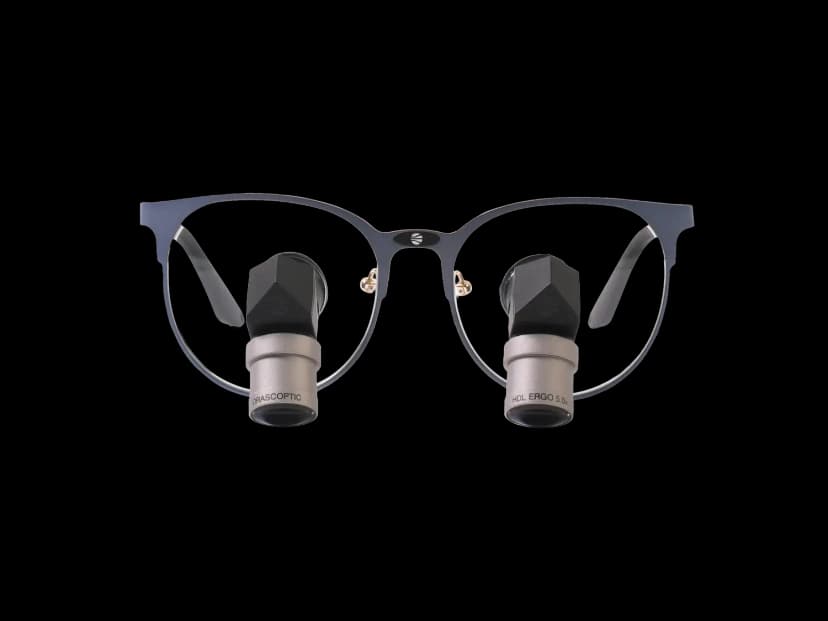
Surgical Loupes · Ergonomics and health
Surgical loupes: why they are essential in surgery
Surgical loupes improve visual precision, reduce fatigue, and optimize the surgeon's posture. We explain why they are essential in today's clinical environment.
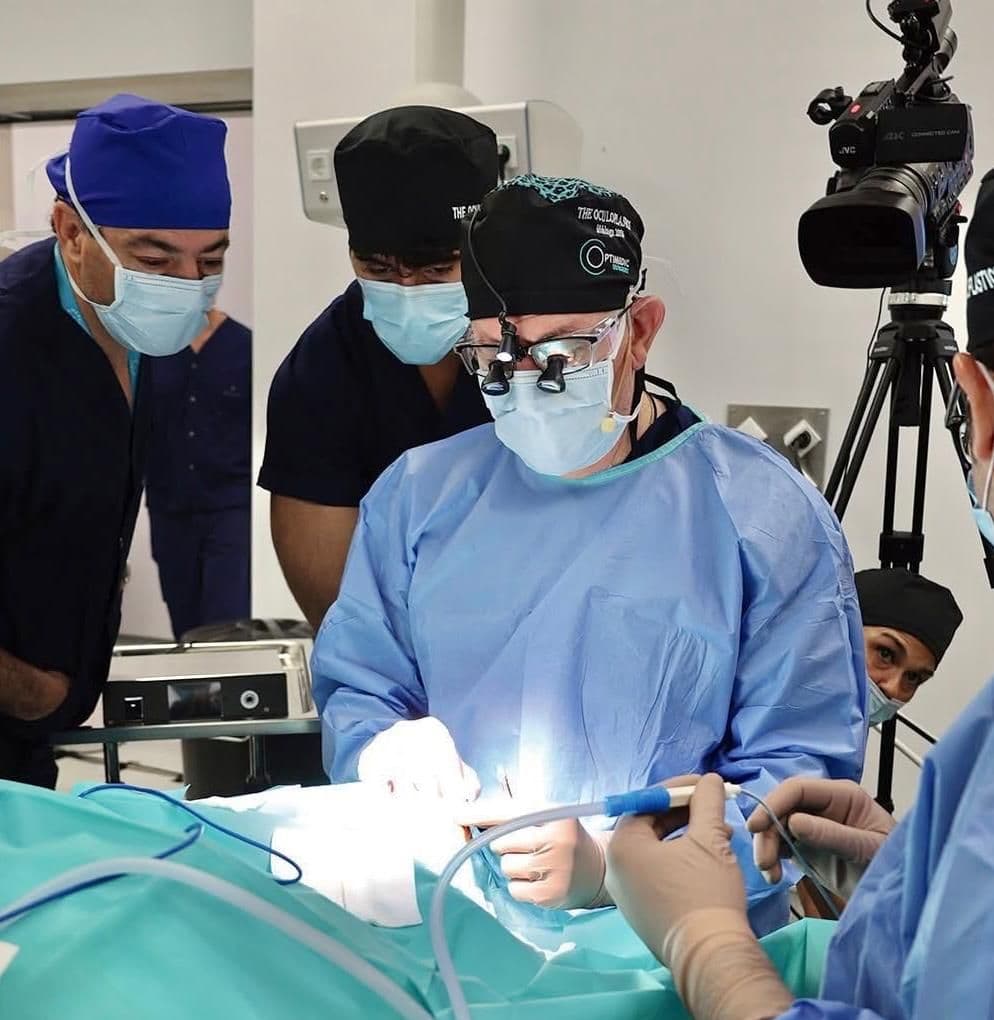
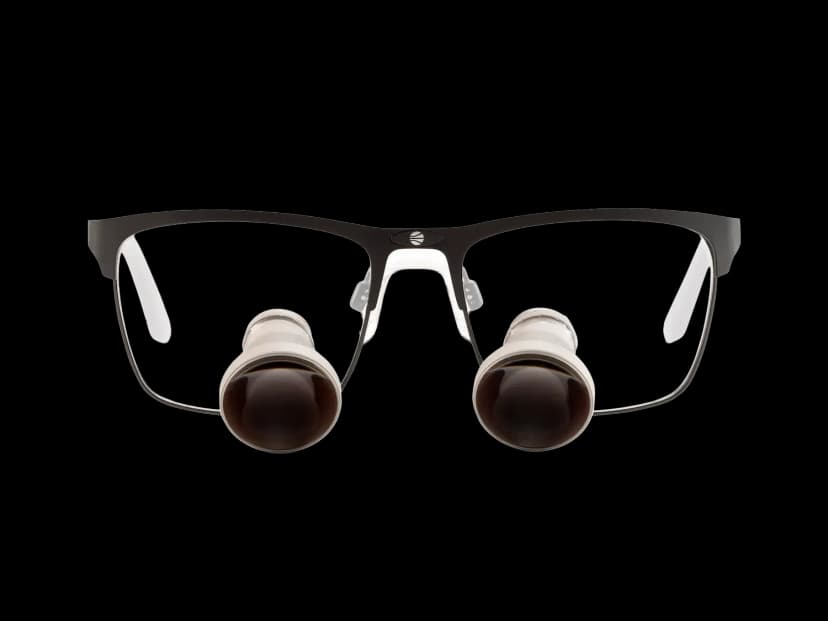
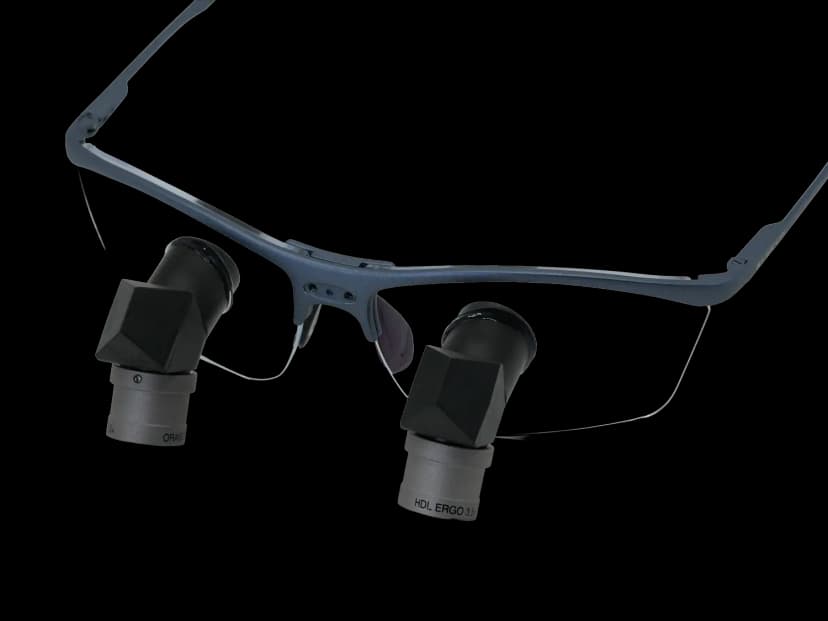
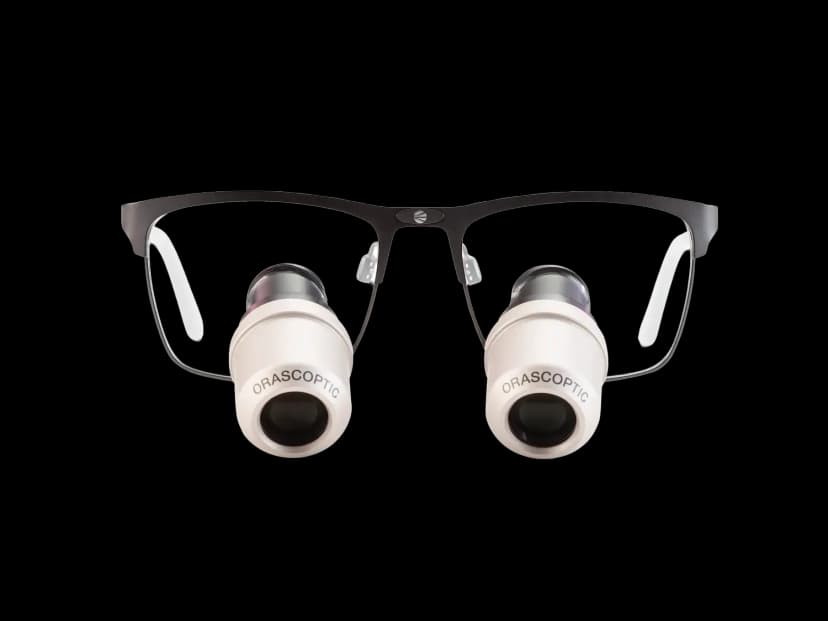
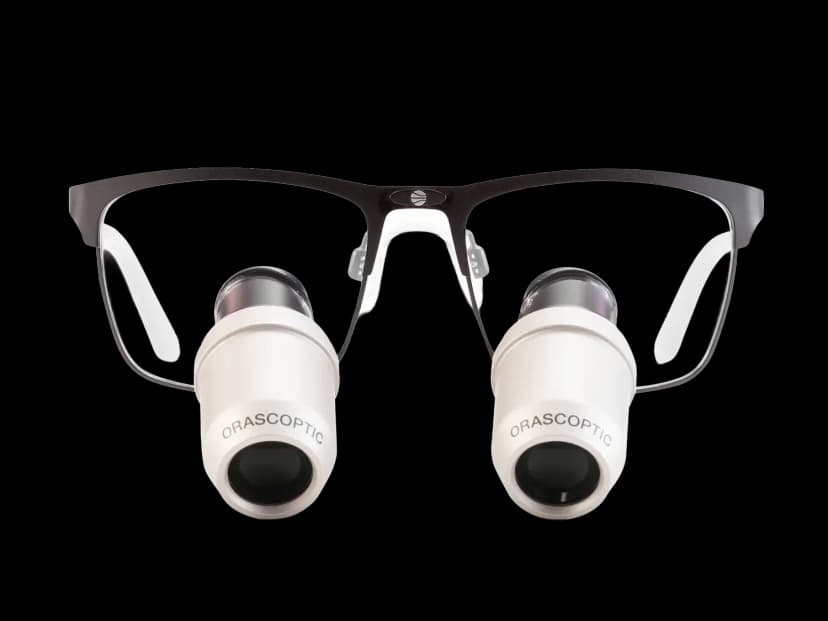
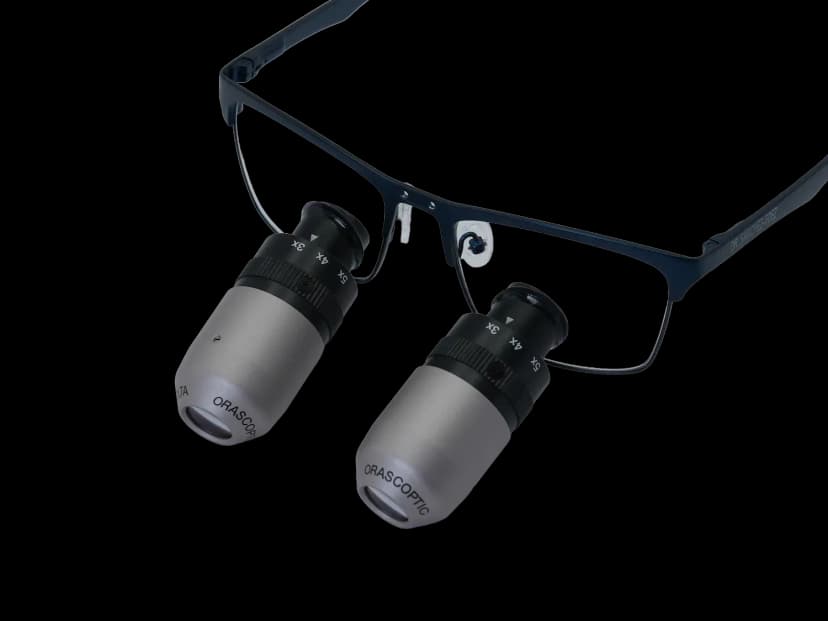
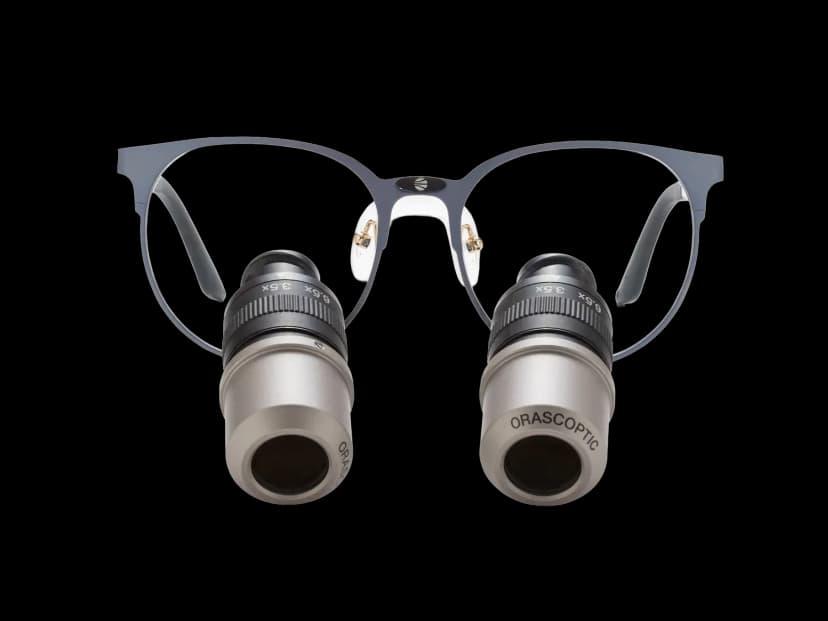
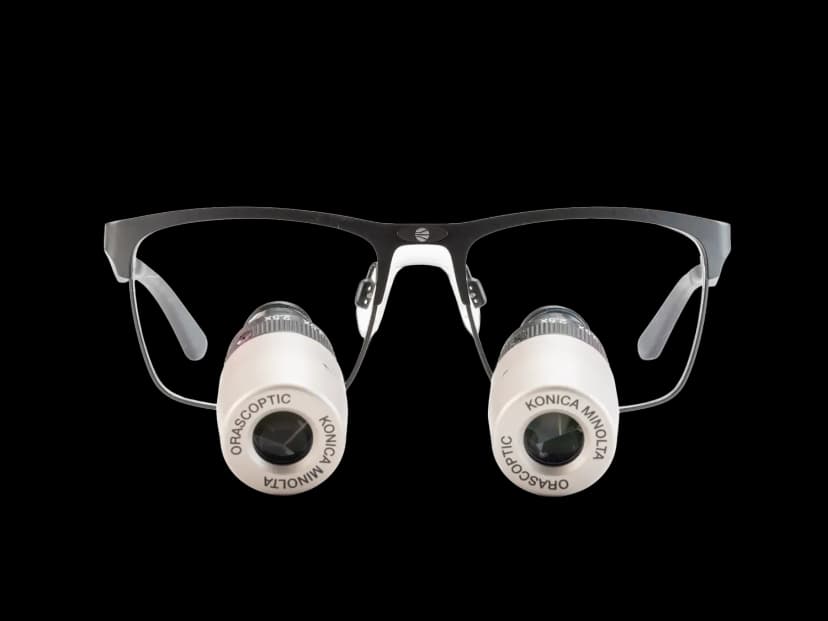
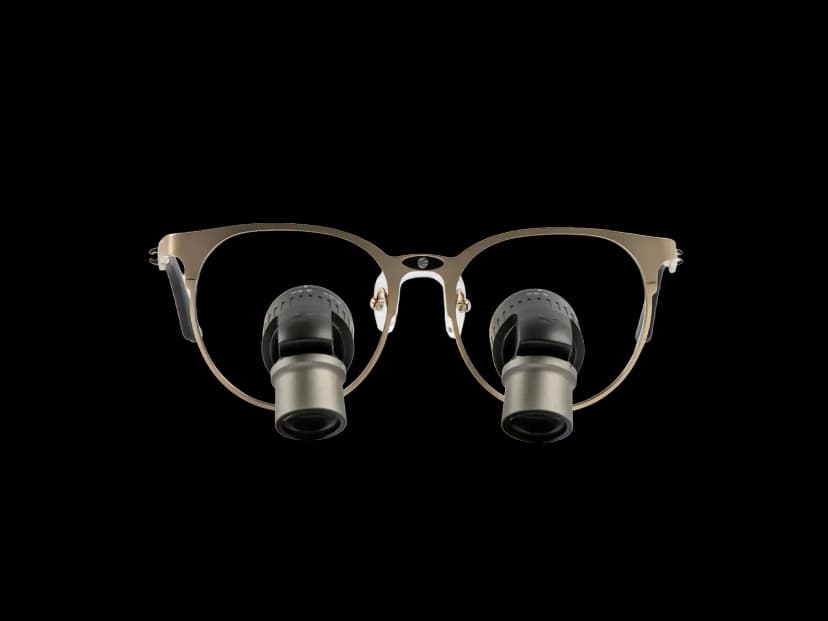
Surgical loupes are essential because they magnify the visual field with precision, improve control of anatomical details, and support a more ergonomic posture during prolonged procedures. Their use directly impacts the technical quality of the surgical act and the professional's physical sustainability.
Why are surgical loupes key in clinical practice?
The surgical environment requires precise and stable visualization. To the naked eye, many anatomical structures have poorly defined boundaries, especially in high-precision procedures.
Surgical loupes make it possible to:
- Increase the apparent size of the operating field
- Improve tissue discrimination
- Reduce errors caused by visual fatigue
This translates into greater technical control, especially in delicate maneuvers.
You can explore the available options in the surgical loupes category.
Visual precision and detail control
Optical magnification—whether through galilean or prismatic systems—makes it possible to work more accurately. This is especially relevant in:
- Fine suturing
- Dissection of small structures
- Minimally invasive procedures
Unlike direct vision, loupes provide an enlarged and centered image, reducing the need for constant focus adjustments.
Models such as EyeZoom allow the magnification level to be adapted according to the stage of the procedure.
Ergonomics: impact on the professional's health
One of the least visible yet most relevant factors is ergonomics. Prolonged use of direct vision forces clinicians to adopt strained postures, especially in the neck and back.
Ergonomically designed loupes help to:
- Maintain a neutral cervical posture
- Reduce excessive head tilt
- Decrease musculoskeletal fatigue
This is key in specialties with a high postural load.
To better understand this aspect, visit our ergonomics and health section.
Sustained poor posture can affect clinical performance in the medium term, even before obvious pain appears.
Integration with a headlight
Surgical loupes are often combined with headlight systems, significantly improving visibility in deep cavities or shadowed areas.
Advantages of this integration:
- Coaxial lighting aligned with vision
- Elimination of cast shadows
- Improved tissue contrast
You can explore solutions in headlights.
Specialties where surgical loupes make a difference
The use of surgical loupes has expanded across multiple medical and surgical fields. Their impact varies depending on the need for magnification, precision, and postural control:
- Dentistry: restorative dentistry, endodontics, periodontics, and implantology
- General surgery: precision procedures in soft tissues
- Plastic and reconstructive surgery: fine suturing and aesthetic tissue handling
- Vascular surgery: anastomoses and small-caliber structures
- Microsurgery: work with millimetric structures where magnification is critical
- Otolaryngology (ENT): access to confined cavities
- Neurosurgery (as support in specific stages)
- Traumatology and orthopedics: precision in approaches and closure
- Podiatry: high-precision interventions in a limited field
- Veterinary medicine: surgical procedures in small animals
The choice of optical system and magnification will depend on each specialty and the type of procedure.
Adaptability and customization
Not all loupes are the same. Customization (working distance, declination angle, interpupillary adjustment) is crucial for effective use.
| Specialty | Recommended magnification | System type |
|---|---|---|
| Dentistry | 2.5x – 4.0x | Galilean / TTL |
| General surgery | 2.5x – 3.5x | TTL / Flip-up |
| Microsurgery | 4.0x – 6.0x | Prismatic |
| Orthopedics | 2.5x – 3.0x | Robust TTL |
| ENT | 3.0x – 4.5x | TTL / Prismatic |
Frequently asked questions
Are surgical loupes necessary in every specialty?
They are not mandatory in every case, but they are highly recommended in specialties that require constant visual precision. Their use is especially relevant in microsurgery, dentistry, plastic surgery, and vascular surgery.
What is the difference between TTL and flip-up loupes?
TTL (Through The Lens) loupes are integrated into the lens and offer greater lightness and stability. Flip-up loupes allow angle adjustment and can be shared between users, although they are usually heavier.
Do loupes reduce visual fatigue?
Yes. By improving focus and avoiding constant accommodation effort, loupes help reduce eye strain, especially during long working days.
How long does it take to adapt to surgical loupes?
The adaptation period is usually short, ranging from a few days to two weeks, depending on the design and personalized fit. Proper initial configuration makes the transition easier.
Incorporating surgical loupes: a strategic decision
Adopting surgical loupes is not only a technical improvement, but also an investment in precision, ergonomics, and professional sustainability. In increasingly demanding clinical environments, having optimized vision makes all the difference.
If you are evaluating options, you can request advice or a personalized demonstration through specialized contact.
Related products
Why it is important to work with surgical loupes