

Surgical Loupes · Ergonomics and health
TTL vs flip-up loupes: what to choose by specialty
A comparative analysis of TTL and flip-up loupes for dentists and surgeons. Review ergonomics, optical precision and clinical fit to make an informed decision.
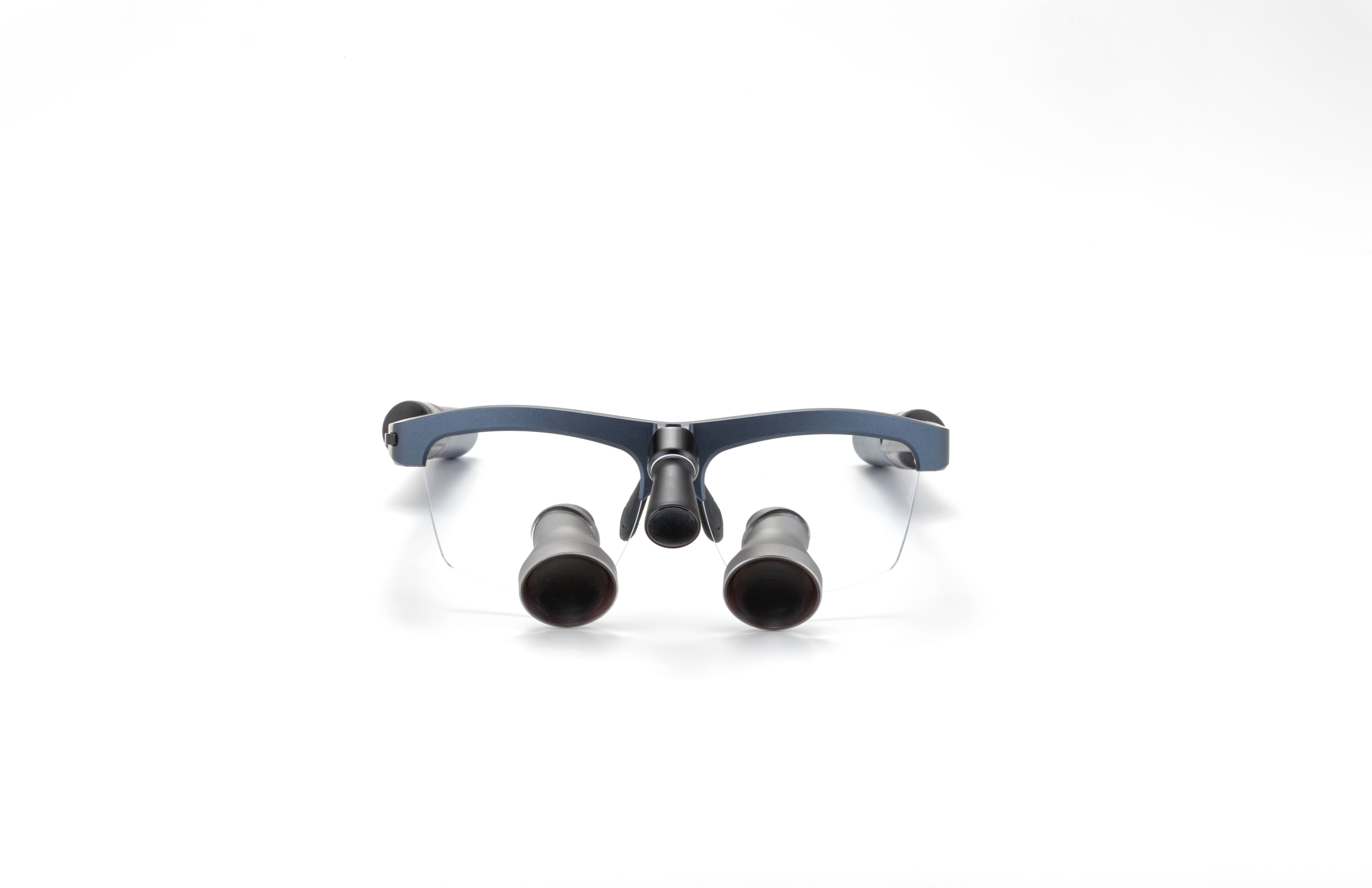
TTL vs flip-up loupes present a key decision in dentistry and surgery: choosing a fixed, customized system optimized for ergonomics (TTL), or an adjustable, shareable one (flip-up). The right choice depends on the specialty, frequency of use and level of precision required.
TTL vs flip-up loupes: fundamental differences
Surgical loupes are mainly classified into two configurations: TTL (Through The Lens) and flip-up. Both share the same optical principles, but differ in design, adjustment and clinical performance.
| Feature | TTL (Through The Lens) | Flip-up |
|---|---|---|
| Mounting | Integrated into the lens | Hinged system on the frame |
| Customization | High (interpupillary distance, angle) | Medium (manual adjustments) |
| Ergonomics | Optimized and stable | Variable depending on adjustment |
| Weight | Lighter | Heavier |
| Sharing | No | Yes |
| Optical precision | High | Dependent on adjustment |
In clinical practice, these differences directly affect posture, neck fatigue and visual consistency during prolonged procedures.
Ergonomics and clinical posture
One of the most decisive factors is ergonomics. TTL loupes are custom-designed for each professional, taking into account:
- Working distance
- Declination angle
- Interpupillary distance
This makes it possible to maintain a neutral posture, reducing cervical strain. By contrast, flip-up loupes require frequent manual adjustments, which can create variability in posture.
To learn more about clinical ergonomics, see:
Ergonomics for healthcare professionals
You can also explore specific options at:
Surgical loupes
Visual precision and working field
TTL loupes provide fixed optical alignment, which results in:
- Greater visual field stability
- Less need for readjustment
- Better suitability for high magnification (prismatic)
In specialties such as endodontics or microsurgery, where the margin for error is minimal, this stability is especially important.
Because flip-up loupes rely on hinges and adjustments, they may show slight deviations if they are not properly aligned.
Adaptation by specialty
Dentistry
In restorative dentistry, endodontics and oral surgery, prolonged use and the need for precision favor TTL loupes. Their customization allows for greater visual consistency while working.
Surgery (general, orthopedic, plastic)
In surgery, especially in environments where teams rotate or share equipment, flip-up loupes may have a place. However, for surgeons looking to optimize their ergonomics over the long term, TTL loupes offer clear advantages.
See specific solutions at:
Headlights
Customization: the key advantage of TTL loupes
The main value of TTL loupes is their individualized fit. Every parameter is calibrated for the user:
- Optimized viewing angle
- Reduced postural compensation
- Integration with a headlight
This customization not only improves comfort, but also contributes to more consistent clinical practice.
If you would like to assess options tailored to your specialty:
Request personalized advice
When should you choose flip-up loupes?
Flip-up loupes may be suitable in contexts such as:
- Training or occasional use
- Shared teams
- Need for initial versatility
However, as frequency of use increases, their ergonomic limitations may become more apparent.
Frequently asked questions
Are TTL loupes always better than flip-up loupes?
Not necessarily. TTL loupes stand out for ergonomics and precision, especially in intensive use. Flip-up loupes can be useful in shared or training settings. The right choice depends on the clinical environment and frequency of use.
Can TTL loupes be adjusted after they are made?
TTL loupes have limited adjustment options because they are custom-made. That is why accurate initial measurements are essential. Flip-up loupes allow later adjustments, although with less stability.
Which type of loupe is better for preventing neck pain?
TTL loupes usually provide better ergonomic support because they are customized. They help maintain a more neutral posture during prolonged procedures, reducing cervical strain.
Do flip-up loupes affect visual quality?
Not necessarily, but their performance depends on correct adjustment. Poor alignment can affect the visual field and comfort, especially during long procedures.
Choosing with clinical criteria and a long-term perspective
The decision between TTL vs flip-up loupes should consider not only cost or initial flexibility, but also the impact on daily practice. For professionals who work with precision over long days, the customization of TTL loupes represents an investment in ergonomics and clinical consistency.
Explore more options or request a demonstration tailored to your specialty:
Contact Optimedic
Related products
Other posts
Surgical Loupes
Surgical Loupe Maintenance and Cleaning: Lifespan, Warranty and Best Practices
· Optimedic Team
5 min read
Proper maintenance of surgical loupes preserves their optical quality and extends their lifespan beyond 10 years. We review daily routines, common mistakes and warranty conditions.
Read article
Surgical Loupes · Clinical applications
Surgical Loupes for Maxillofacial Surgery: Technical Criteria and Recommended Magnification
· Carolina Gay Sorrius
7 min read
Maxillofacial surgery combines deep field and sub-millimeter detail. We review technical criteria for surgical loupes in this specialty: magnification, lighting and postural ergonomics.
Read article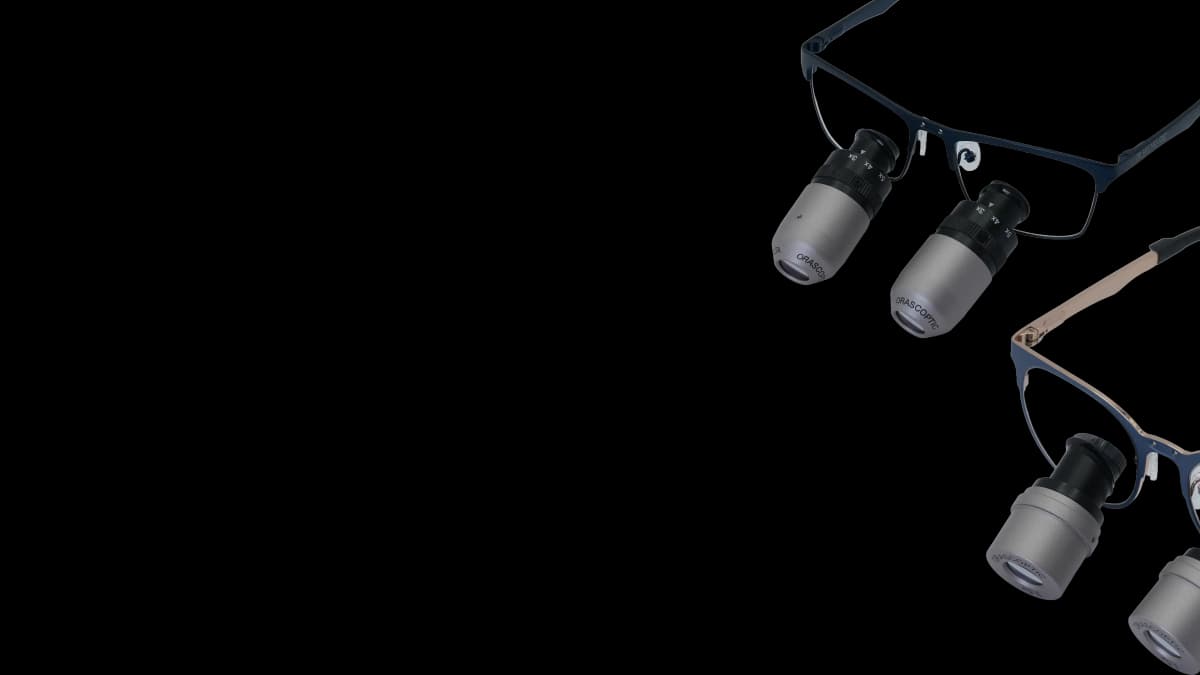
Surgical Loupes
Prismatic vs Galilean Surgical Loupes: Optical Differences, Field and Weight
· Optimedic Team
7 min read
Galilean and prismatic loupes are the two main optical architectures in surgical loupes. We compare field of view, depth of focus, weight and useful magnification range of each system.
Read article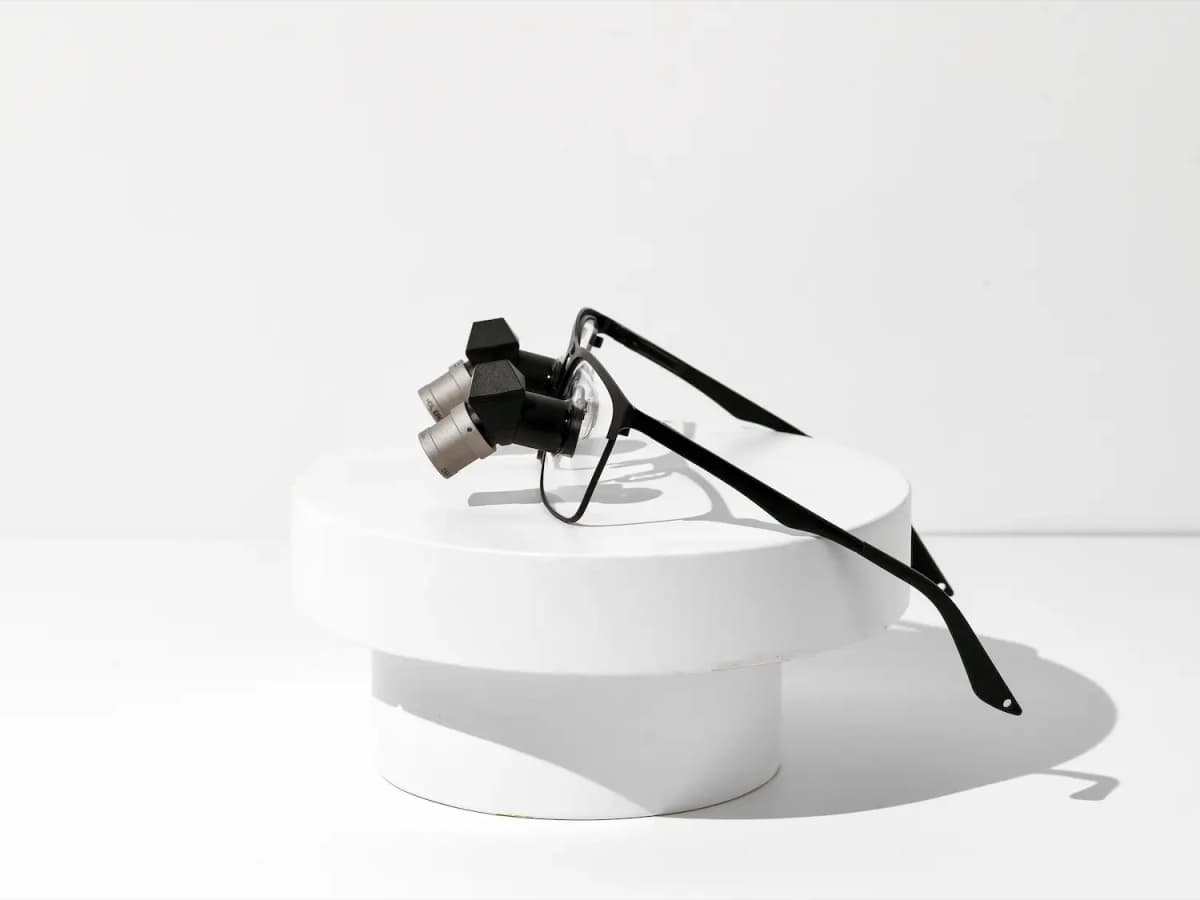
Ergonomics and health · Surgical Loupes
Surgeon Ergonomics and Cervical Pain with Loupes: TTL, Declination Angle and Prisms
· Carolina Gay Sorrius
6 min read
Surgeon cervical pain with loupes has a technical cause: insufficient declination angle, mis-fitted working distance or absence of deflection prisms. We analyze the factors and the technical solutions.
Read article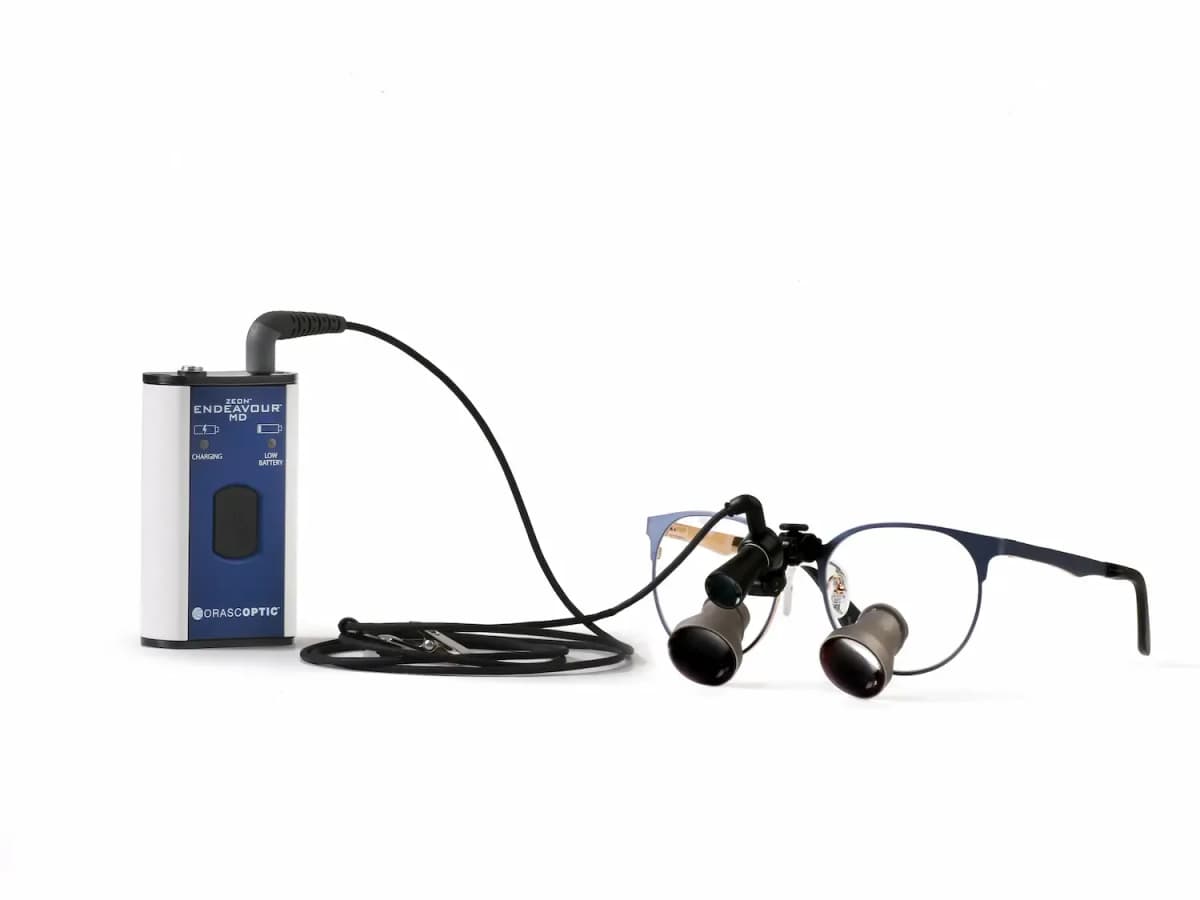
Surgical Loupes
Surgical Loupes with LED Light: When an Integrated Headlight Pays Off
· Optimedic Team
6 min read
An integrated LED headlight on loupes provides coaxial light onto the magnified field and removes shadows. We analyze when it pays off and which specifications to evaluate.
Read article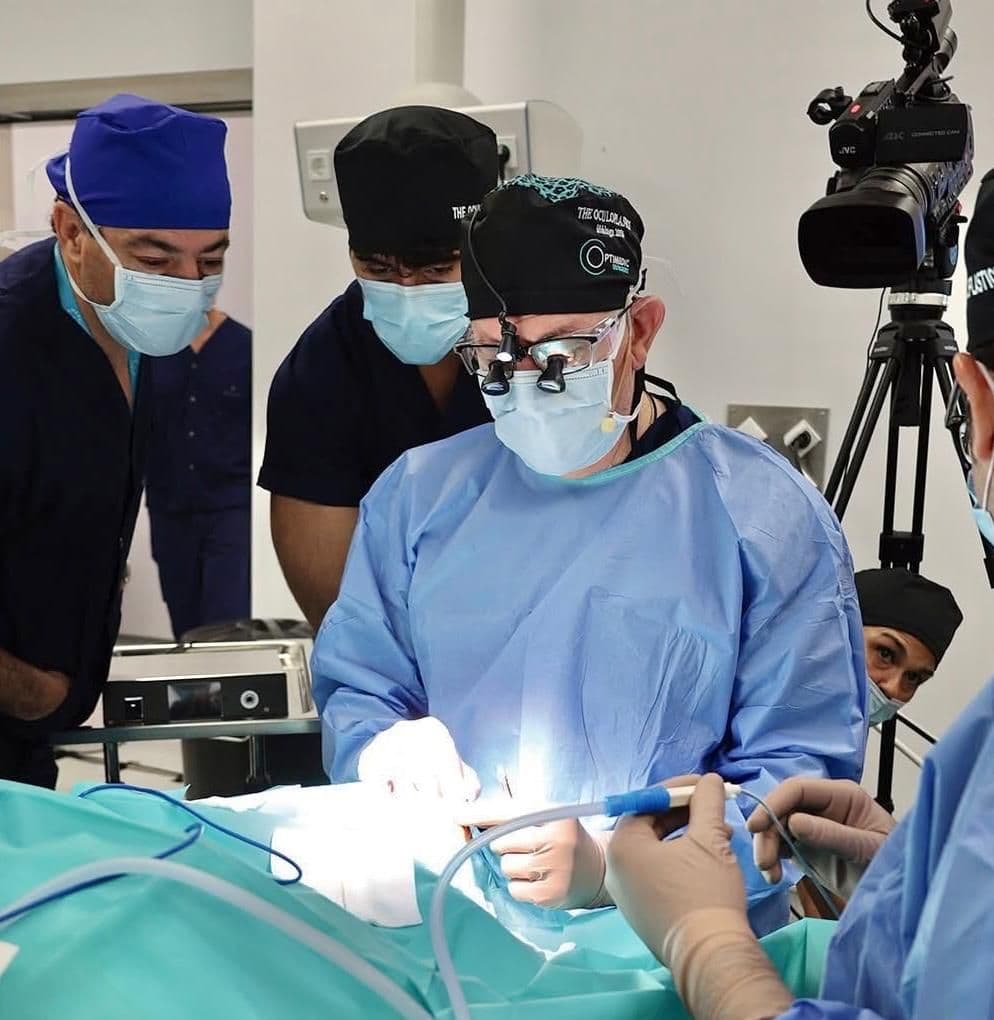
Surgical Loupes · Ergonomics and health
Surgical loupes: why they are essential in surgery
· Carolina Gay Sorrius
4 min read
Surgical loupes improve visual precision, reduce fatigue, and optimize the surgeon's posture. We explain why they are essential in today's clinical environment.
Read article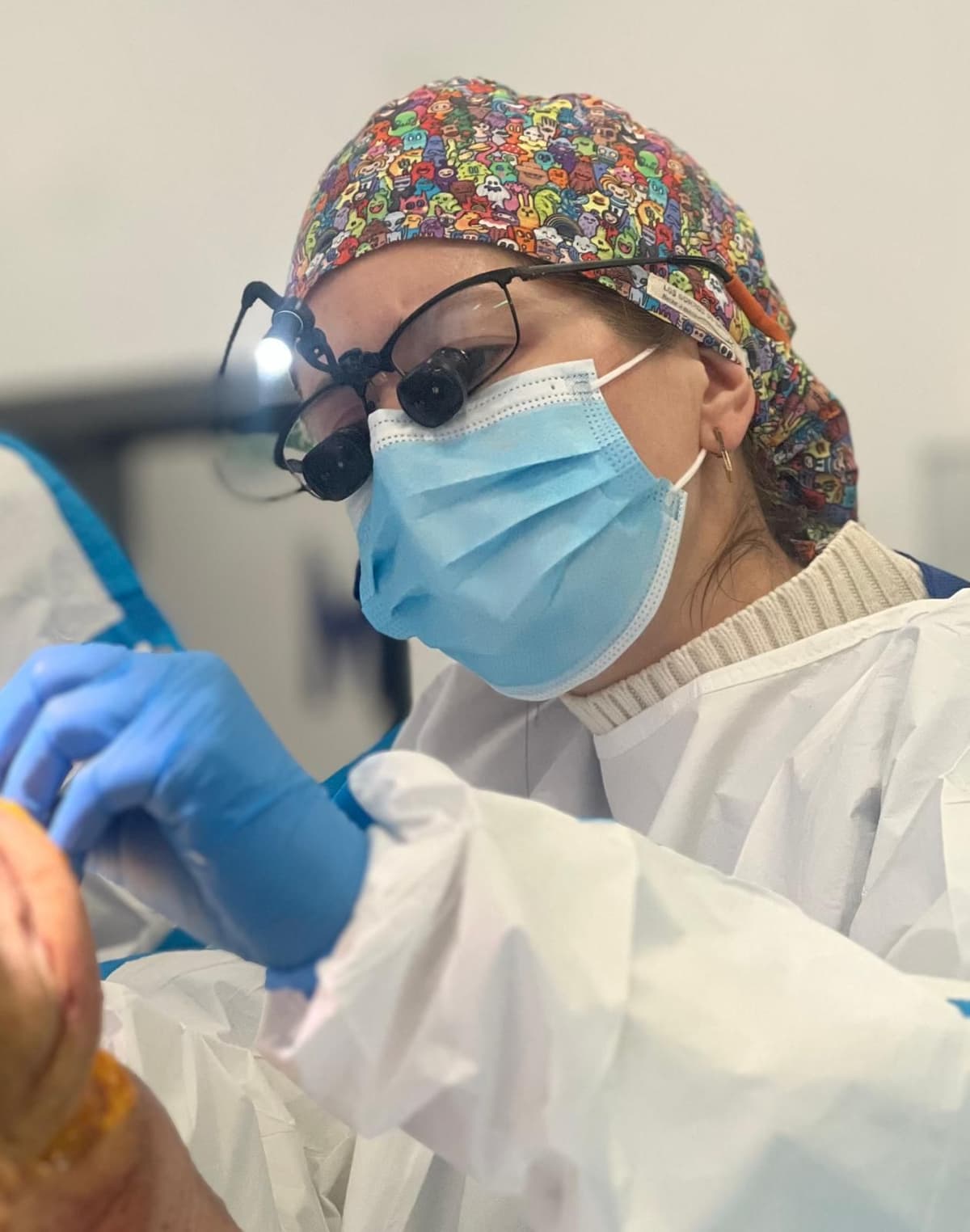
Ergonomics and health · Surgical Loupes
Orascoptic Headlight: Importance in Clinical Practice
3 min read
Headlight illumination is essential for precise visualization in the clinic and operating room. We examine how the Orascoptic headlight helps reduce shadows, improve ergonomics, and optimize outcomes.
Read article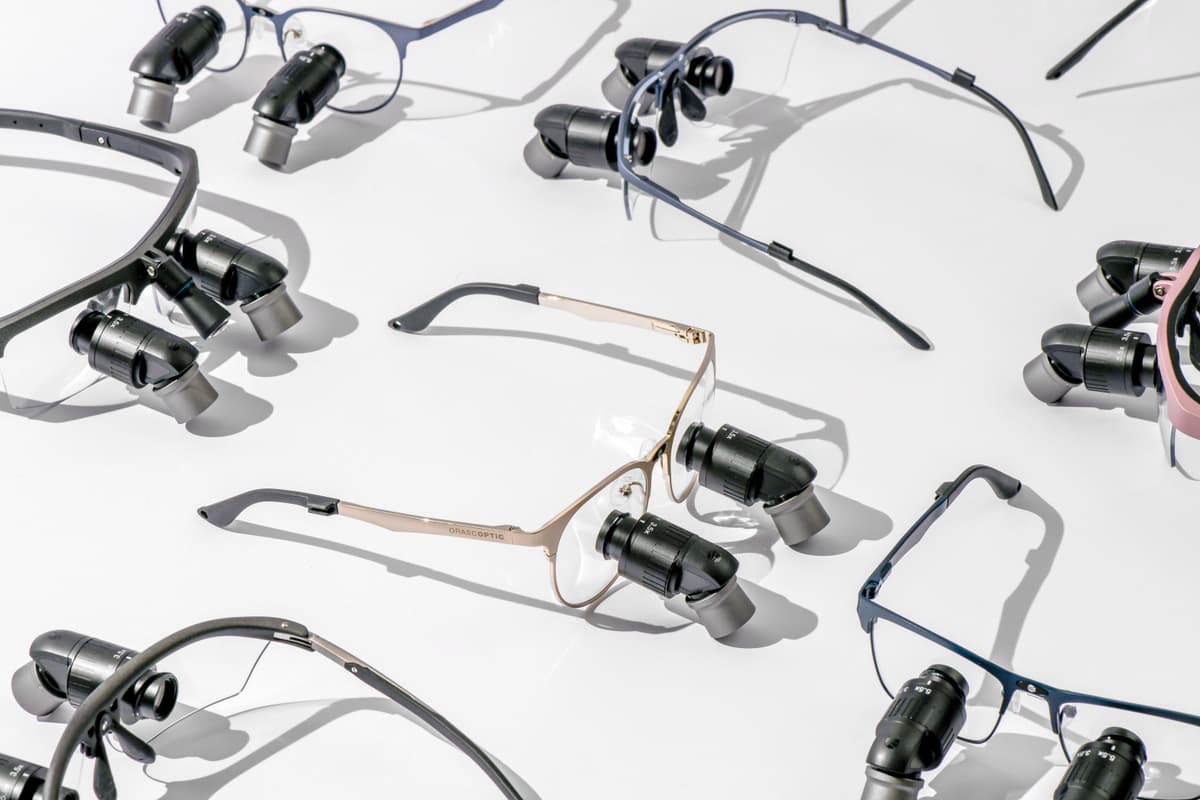
Surgical Loupes · Clinical applications
Surgical Loupes for Plastic Surgery: Selection Criteria
· Carolina Gay Sorrius
6 min read
Surgical loupes in plastic surgery must combine medium-high magnification, ergonomics and proper lighting for long sessions. We review technical criteria by subspecialty.
Read article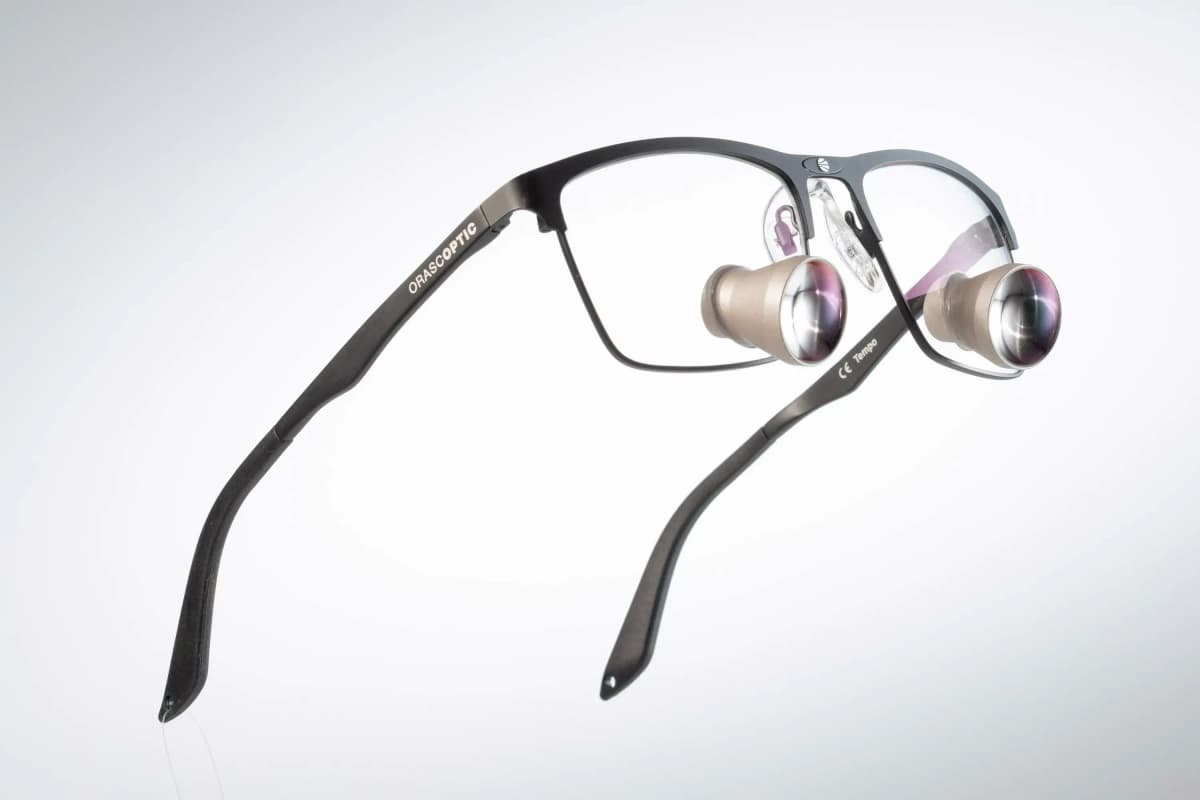
Surgical Loupes · Clinical applications
Which Magnification to Choose for Surgical Loupes: 2.5x, 3.5x or 4.5x
· Carolina Gay Sorrius
6 min read
Choosing the right magnification in surgical loupes affects field of view, depth of focus and posture. We compare 2.5x, 3.5x and 4.5x by specialty and procedure.
Read article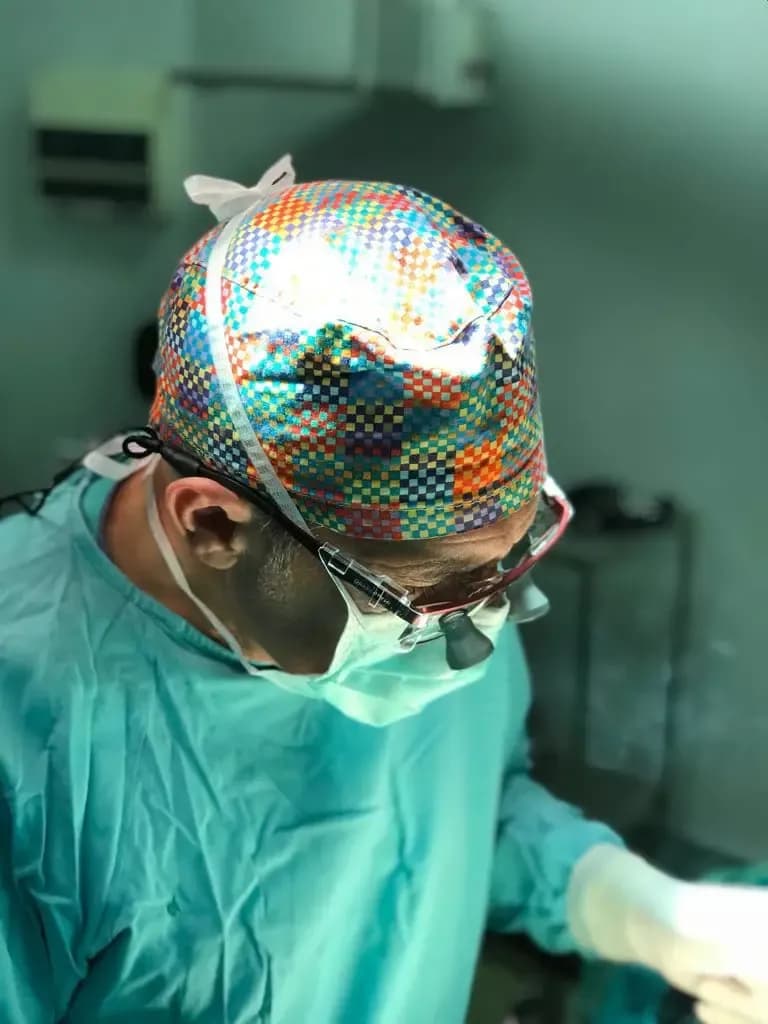
Surgical Loupes · Ergonomics and health
Working distance in surgical loupes: technical guide
· Optimedic Team
4 min read
Working distance in surgical loupes affects posture, field of view, and precision. This guide explains how to measure and adjust it according to height and clinical practice.
Read article