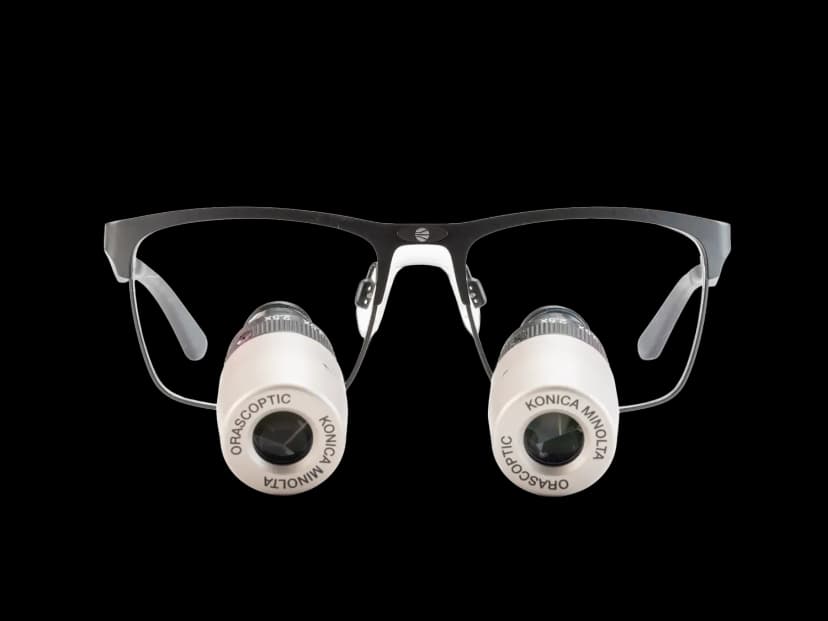
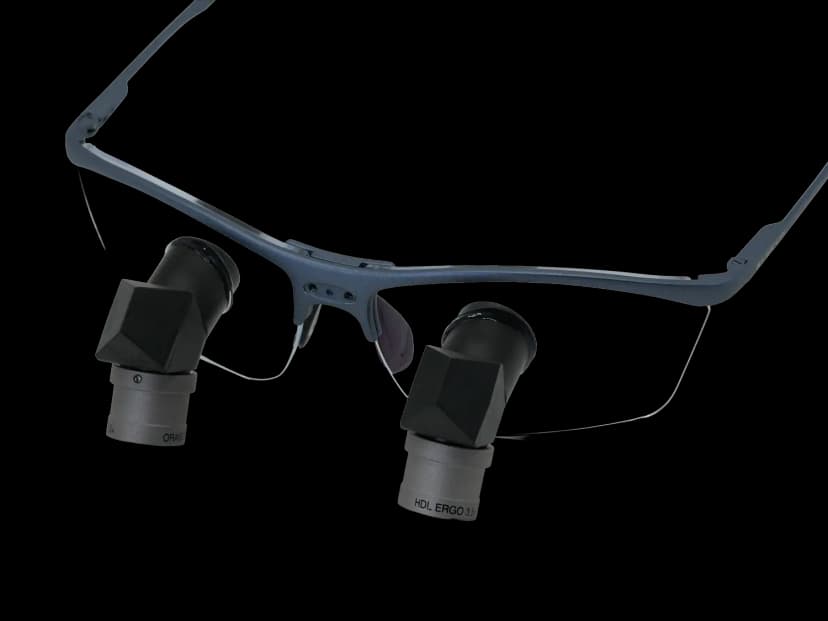
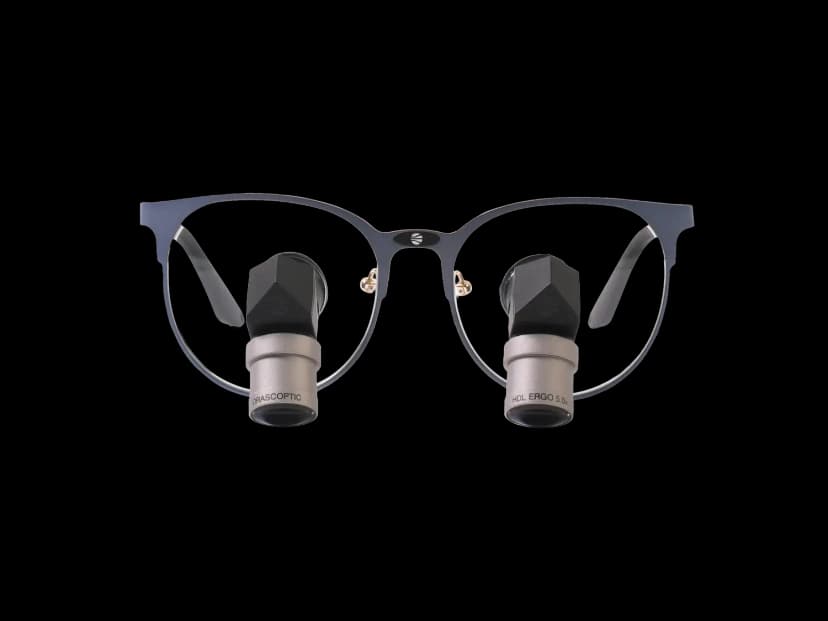
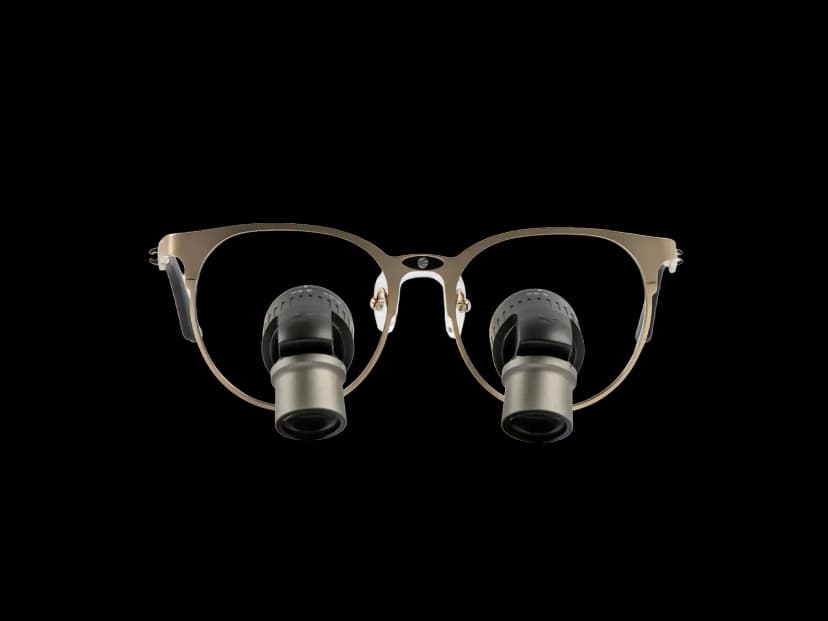
Surgical Loupes · Ergonomics and health
Working distance in surgical loupes: technical guide
Working distance in surgical loupes affects posture, field of view, and precision. This guide explains how to measure and adjust it according to height and clinical practice.
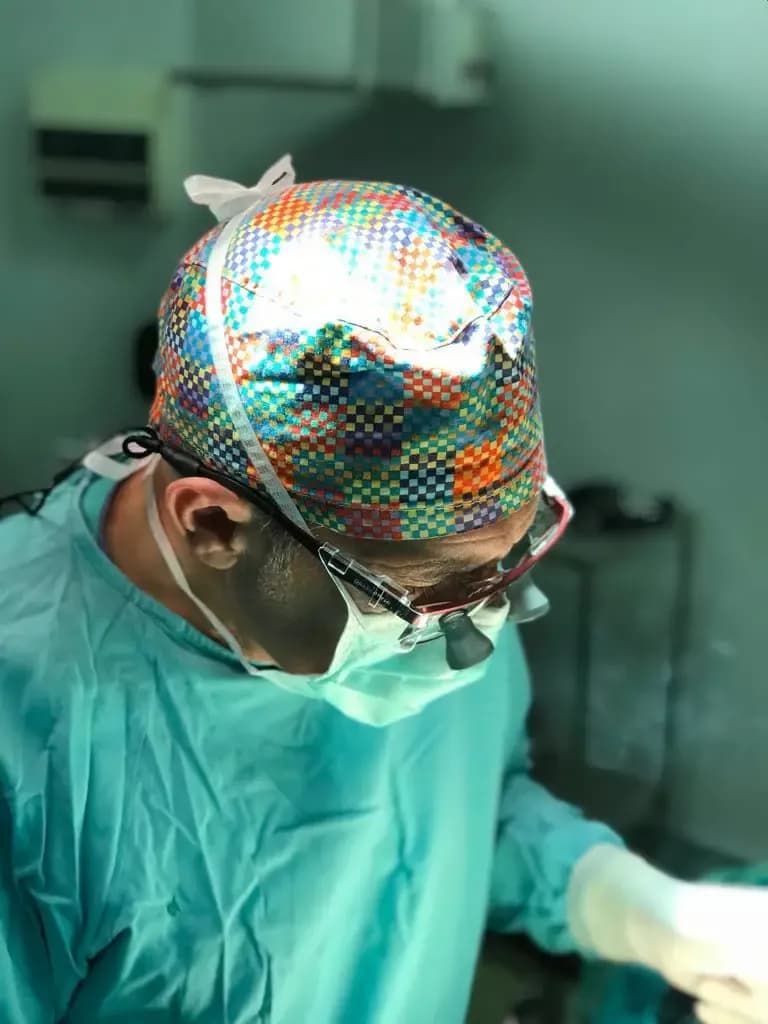
Working distance in surgical loupes is the distance between the professional's eyes and the operating field while maintaining a neutral posture. Determining it correctly makes it possible to work with cervical ergonomics, a stable field of view, and adequate depth of field, reducing postural compensation during precision procedures.
What working distance in surgical loupes is and why it matters
Working distance defines how the professional is positioned in relation to the patient or surgical field. It is not a standard measurement: it depends on height, clinical discipline, and the type of procedure.
A correct adjustment influences three key variables:
- Posture: prevents excessive neck and back flexion
- Field of view: keeps the working area centered and stable
- Depth of field: allows small variations without losing sharpness
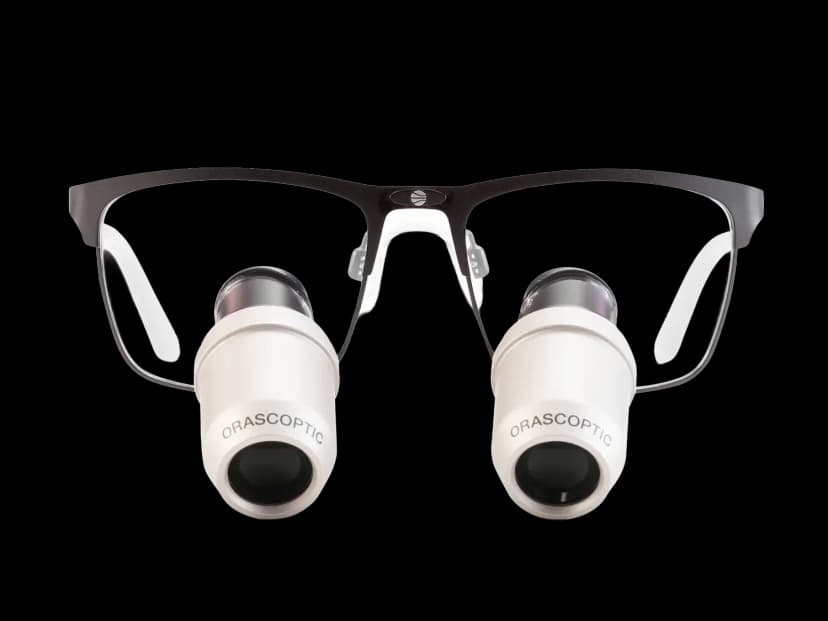
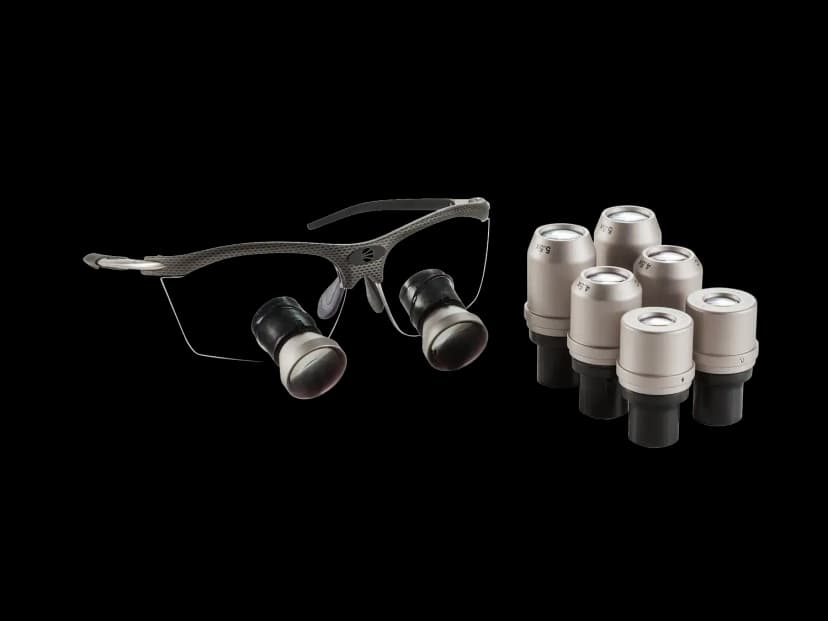
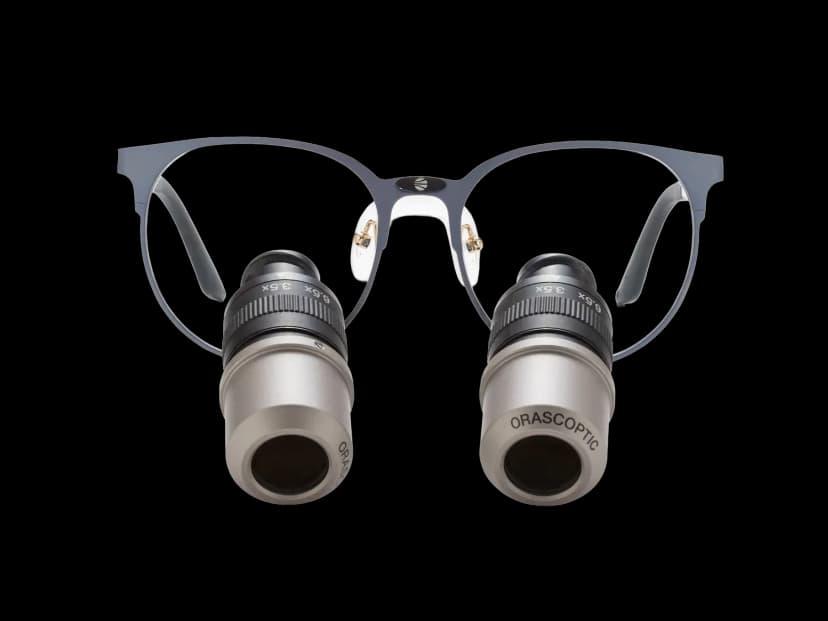
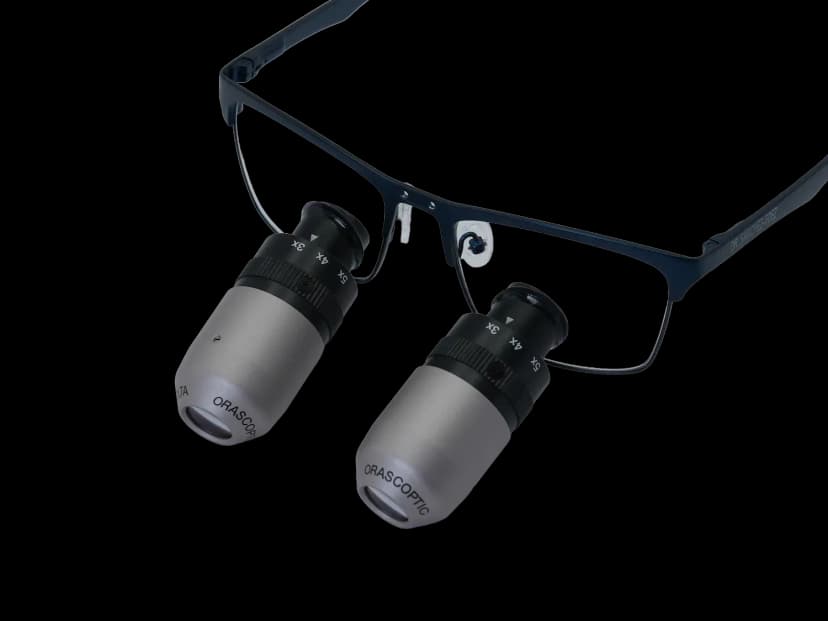
In the selection process for surgical loupes, working distance is one of the critical parameters alongside magnification and system type (TTL or flip-up).
How to measure working distance correctly
The measurement must be taken under real working conditions, not standing up or looking straight ahead.
Recommended steps:
- Sit in your usual clinical position
- Adopt a neutral posture (straight back, relaxed shoulders)
- Simulate the procedure on a patient or phantom
- Measure the distance from the eye to the operating field
An incorrect measurement usually results in compensatory neck inclination when using the loupes.
In customized configurations such as EyeZoom, this value is integrated into the optical design to maintain consistency between magnification and ergonomics.
Reference table: professional height and working distance
| Professional height | Approximate working distance |
|---|---|
| 150 – 160 cm | 35 – 40 cm |
| 160 – 170 cm | 38 – 45 cm |
| 170 – 180 cm | 42 – 50 cm |
| 180 – 190 cm | 45 – 55 cm |
| >190 cm | 50 – 60 cm |
This table is for reference only. In specialties such as dentistry or microsurgery, patient positioning and the type of procedure may modify these ranges.
Factors that influence working distance
Clinical specialty
- Dentistry: shorter distances due to intraoral access
- Surgery: greater variability depending on the surgical field
- Dental hygiene: more dynamic positions
Type of loupe
- TTL (through-the-lens): more precise, requires exact measurement
- Flip-up: greater adjustment range, but less ergonomically integrated
You can explore these criteria further in this guide on how to choose magnifying glasses.
Magnification
The higher the magnification, the shallower the depth of field. This requires a more stable and well-defined working distance.
Common mistakes when choosing working distance
- Measuring while standing instead of in clinical position
- Not considering the type of procedure
- Choosing standard distances without personalization
- Compensating posture instead of correcting the measurement
These mistakes can lead to cervical fatigue and reduced visual efficiency over time.
Relationship between working distance and ergonomics
A poorly defined working distance forces the professional to adapt to the optics, instead of the optics adapting to the professional.
This results in:
- Sustained cervical flexion
- Tension in the lower back
- Visual fatigue due to constant refocusing
For this reason, professional configurations prioritize individual measurement before defining the optical system.
Frequently asked questions
Is working distance the same for every professional?
No. It depends on height, usual posture, and specialty. Two professionals of the same height may require different distances depending on how they work.
Can working distance be changed later?
With flip-up loupes it can be adjusted partially. In TTL systems, the distance is built into the optics, so it cannot be modified without redoing the configuration.
How does it affect cervical ergonomics?
An incorrect distance forces the neck to tilt in order to focus properly, which increases muscular load during long working days.
Does it affect visual quality?
Yes. It directly affects the field of view and depth of field. A poor choice can reduce visual stability during the procedure.
Adjusting working distance correctly: next step
Defining working distance is a key step within the complete configuration of a pair of loupes. To assess your specific case and combine distance, magnification, and system type, you can request technical advice from the Optimedic team at /en/contact?product=surgical-loupes.