Surgery and equipment
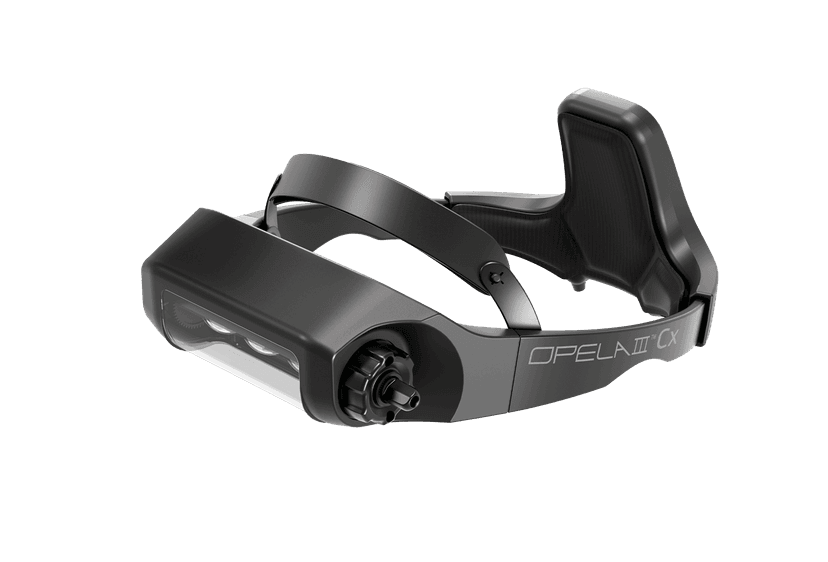
Opela III Cx: portable wearable surgical headlight
Opela III Cx redefines portable surgical lighting with a high-intensity wearable system, advanced ergonomics, and precise control of the light field across multiple clinical settings.
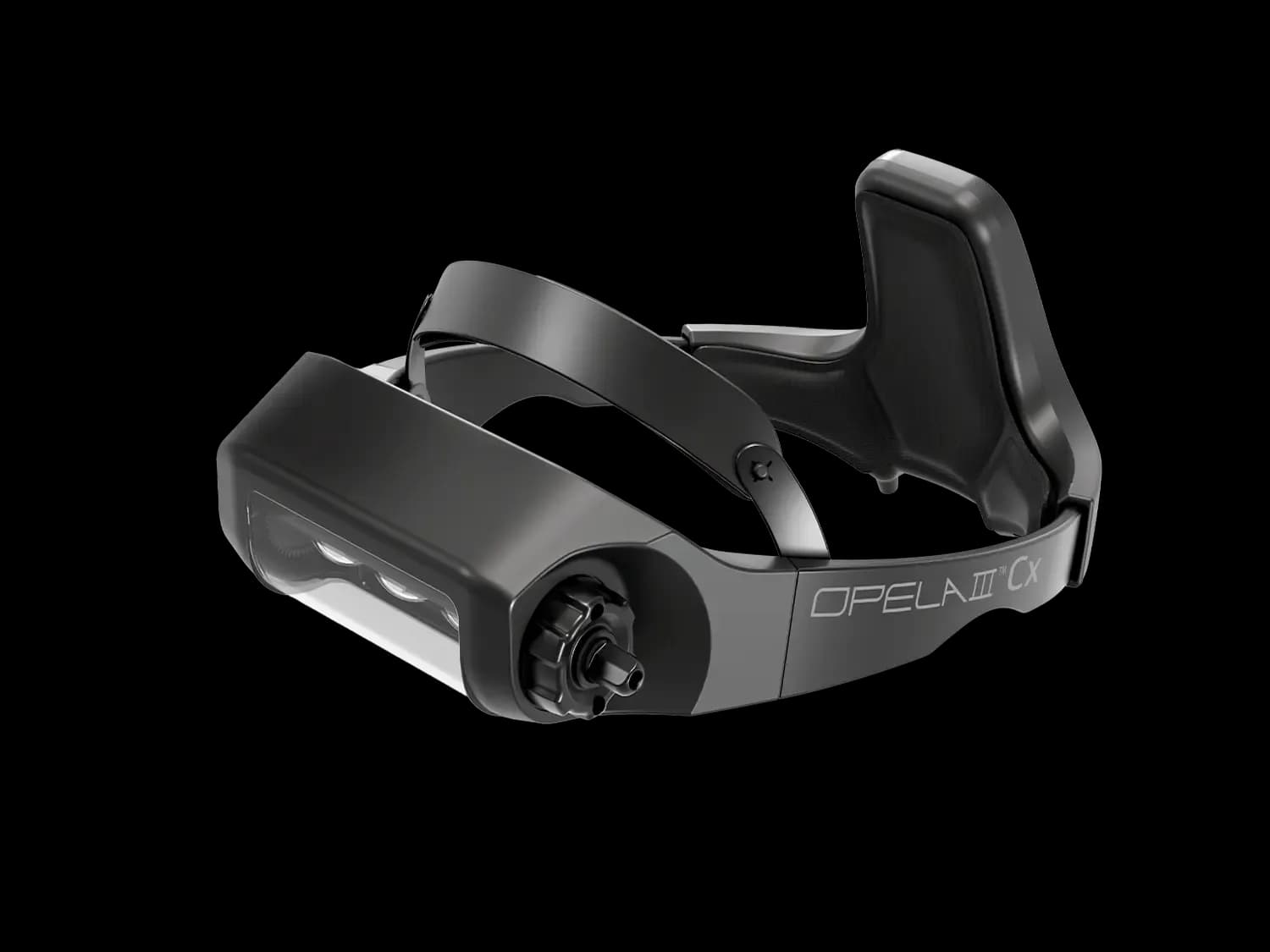
Opela III Cx is a wearable surgical headlight designed to deliver high-intensity, uniform, flicker-free light directly from the surgeon's head. Its combination of lighting power, ergonomics, and portability makes it suitable for both the operating room and flexible clinical environments.
What is Opela III Cx and what makes it different?
The Opela III Cx introduces a different approach to surgical lighting: a wearable headlight that aligns the light with the clinician's line of sight.
Unlike traditional systems—such as ceiling lights or auxiliary lamps—this device allows:
- Direct illumination exactly where the surgeon is looking
- Greater control of the surgical field
- Reduced dependence on external light sources
This is especially useful in procedures where visual precision is critical or access to fixed lighting is limited.
Lighting technology: beyond intensity
One of the key aspects of Opela III Cx is its focus on light quality, not just illuminance levels.
Key features
- Maximum illuminance of up to 160,000 lux
- Color temperature close to 5,000 K
- Three high-intensity LEDs system
- Flicker-free (DC) technology
- Soft beam edges
This combination provides uniform, stable illumination, making tissue differentiation easier and reducing visual strain during prolonged procedures.
Light field adjustment
The system allows the beam size to be adapted to clinical needs:
| Type of procedure | Recommended setting |
|---|---|
| High precision | Narrow spot |
| Standard surgery | Medium spot |
| Examination | Wide spot |
This improves efficiency by avoiding constant adjustments to external lighting.
Depth visibility and shadow control
In surgery, shadows can compromise visibility in critical areas. Opela III Cx incorporates an optical design that:
- Reduces shadows cast by hands and instruments
- Improves illumination in deep cavities
- Provides uniform light across the entire field
This results in more consistent vision, especially in complex procedures or those with limited access.
Ergonomics: designed for prolonged use
Comfort is a key factor in wearable lighting, especially during long procedures.
Weight and balance
The system features:
- Lightweight design
- Balanced center of gravity
- Optimized weight distribution
This reduces the perceived load on the neck and head.
Fit and adjustment
It includes:
- Dial-based adjustment system
- Adaptation to different head sizes
- A structure that distributes pressure evenly
The goal is to maintain stability without creating uncomfortable pressure points.
Compatibility with loupes
The design allows use alongside magnification systems such as surgical loupes, supporting an integrated workflow.
Intuitive control during procedures
The system incorporates accessible controls that allow adjustments without interrupting the procedure:
- Power on and off
- Intensity adjustment
- Beam size adjustment
- Lighting angle adjustment
This enables quick adaptation to different stages of the procedure.
Power system and battery life
The headlight is designed to offer flexibility in different clinical environments.
Usage options
- Operation with a portable battery
- Use with direct mains connection
Battery life
- Up to approximately 4 hours at maximum intensity
- Longer runtime at lower levels
This makes it possible to cover full procedures without interruptions.
Technical considerations
The system prioritizes stability and safety in power delivery, which is especially relevant in demanding surgical environments.
Clinical applications
The portability of the system expands its range of use.
Main settings
- Operating room (as a complementary light)
- Clinics and examination rooms
- Outpatient procedures
Specific situations
It is also useful in:
- Mobile units
- Care in non-conventional settings
- Scenarios with infrastructure limitations
This makes it a versatile tool for different professional profiles.
Comparison with traditional lighting systems
| Feature | Conventional systems | Opela III Cx |
|---|---|---|
| Mobility | Limited | High |
| Alignment with vision | Indirect | Direct |
| Beam control | Fixed | Adjustable |
| Environmental dependence | High | Low |
Opela III Cx does not necessarily replace operating room lighting, but it does offer a complementary or alternative solution depending on the context.
Integration with surgical equipment
Within the surgical equipment environment, this system integrates easily with:
- Precision instruments
- Magnification systems
- Microsurgery procedures
Its design supports workflow continuity without interference.
Frequently asked questions
Can Opela III Cx replace operating room lighting?
Not necessarily. It is designed as a complementary or portable alternative, especially useful in situations where fixed lighting is not sufficient.
Can it be used with surgical loupes?
Yes, it is compatible with magnification systems and allows integrated use.
How long does the battery last?
At maximum intensity, it can last approximately 4 hours, with longer runtime at lower levels.
Does it reduce visual fatigue?
The flicker-free system and beam uniformity help reduce visual strain during prolonged procedures.
In which settings can it be used?
From operating rooms to clinics, mobile units, or environments with limited infrastructure.
Evaluate Opela III Cx in your clinical practice
The Opela III Cx provides a lighting solution adaptable to different clinical contexts, combining precision, ergonomics, and portability.
If you would like to assess its integration into your setting or receive technical advice, you can request information at https://optimedic.es/en/contact?product=opela-iii-cx.