Surgical Loupes · Clinical applications
EyeZoom loupes: complete guide to variable magnification
A complete analysis of EyeZoom variable magnification loupes: how they work, differences between models, and which professional profile benefits most from each configuration in the clinic and operating room.
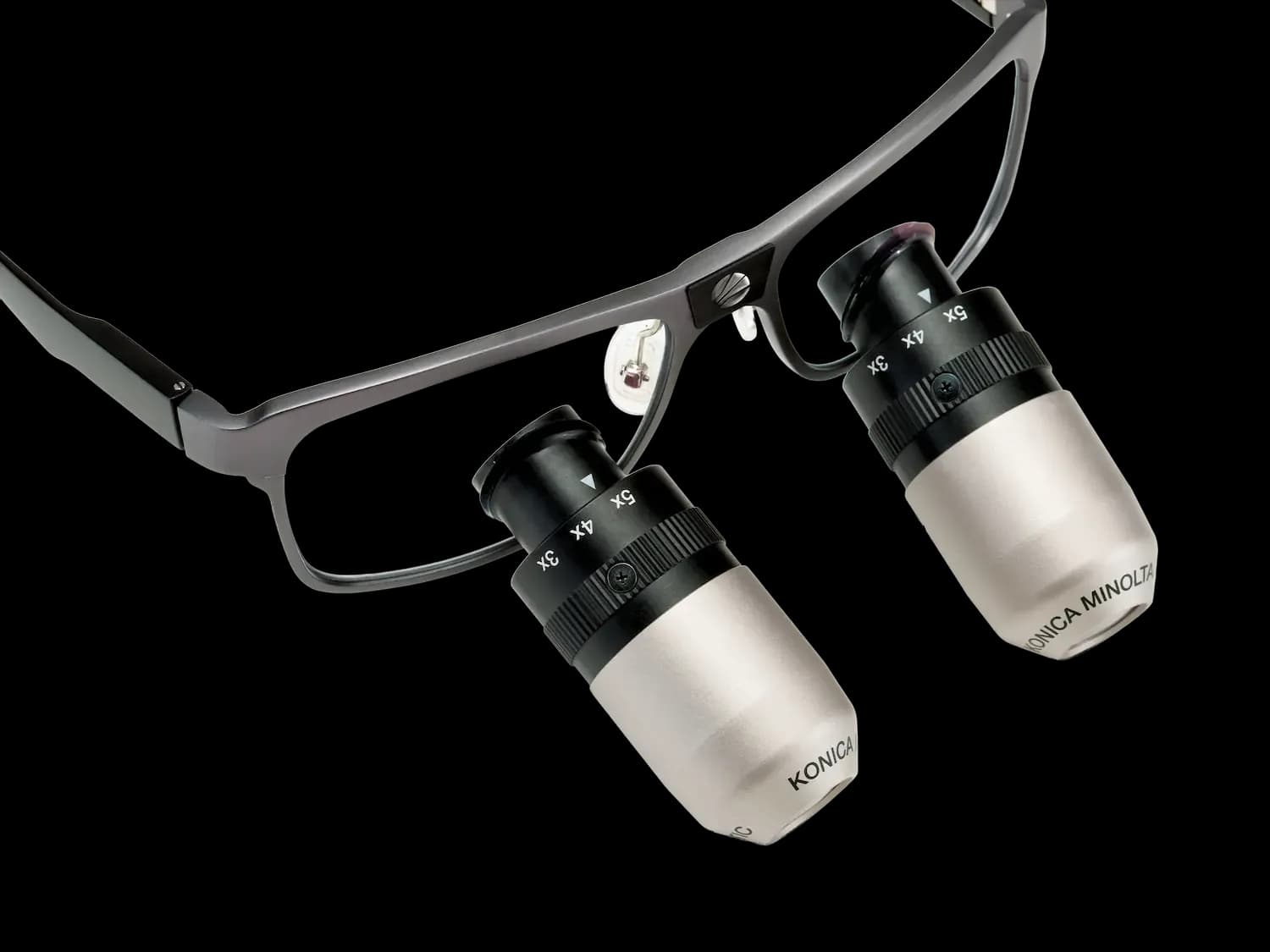
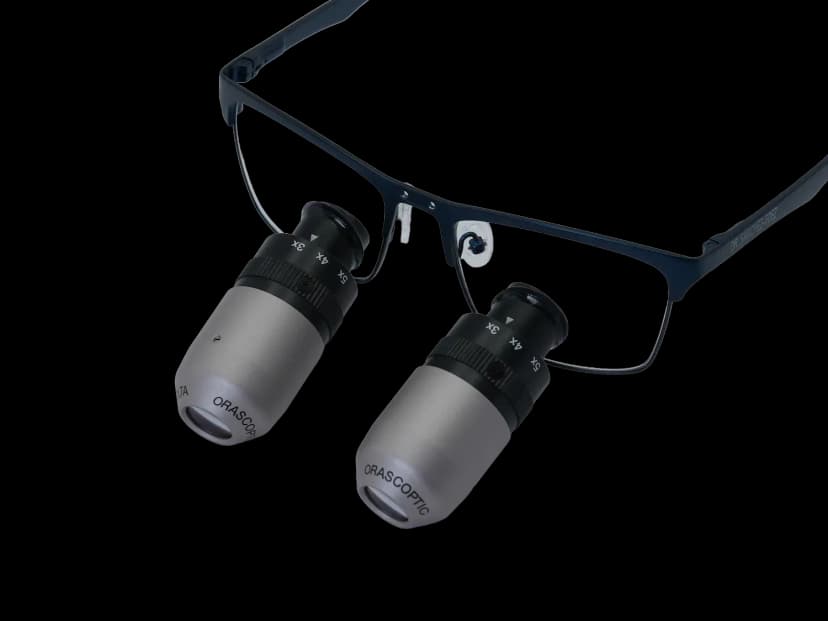
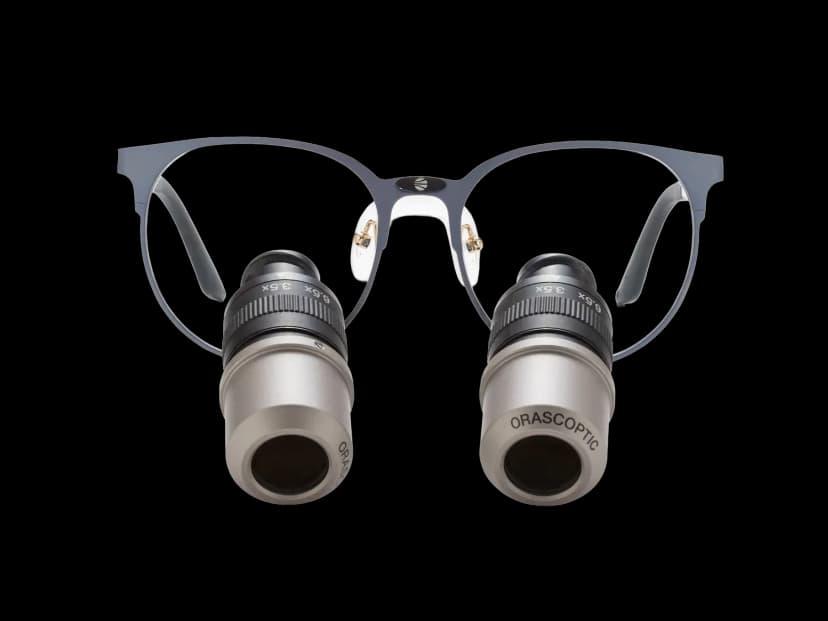
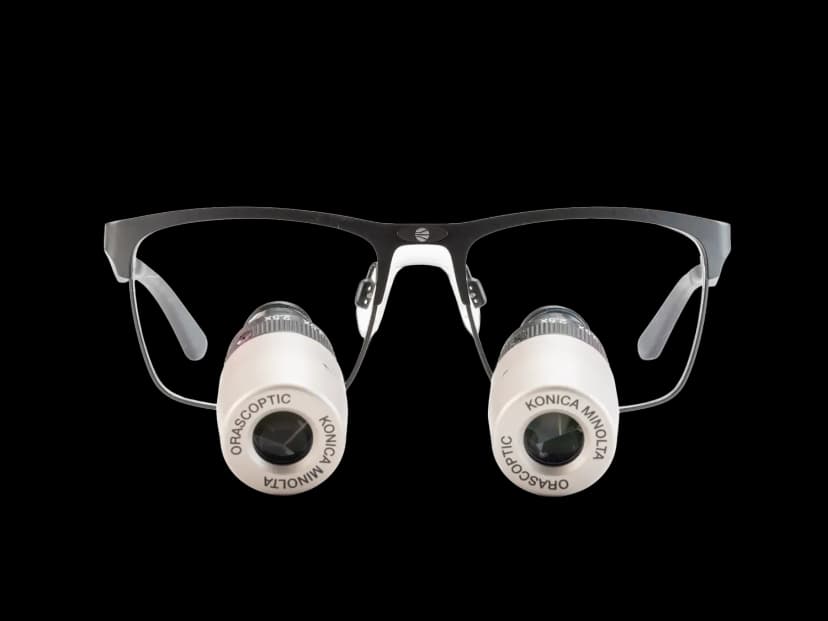
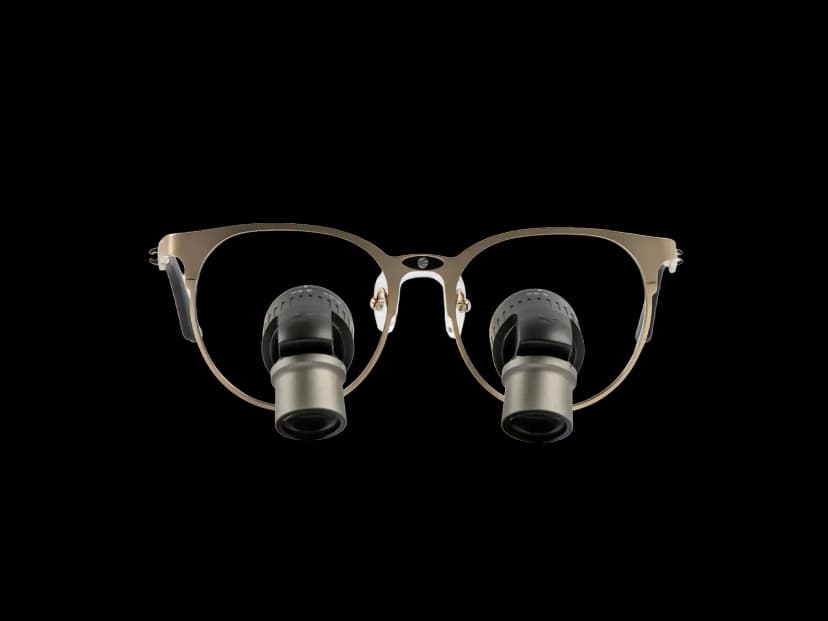
EyeZoom variable magnification loupes allow clinicians to adjust magnification levels in real time without changing equipment, adapting to different stages of the clinical procedure. This versatility makes them an advanced solution for professionals who require precision, visual control, and efficiency in demanding specialties.
What EyeZoom variable magnification loupes are
Variable magnification loupes represent an evolution compared with traditional fixed-magnification systems (TTL or flip-up). Instead of working with a single magnification level at all times, the clinician can change it during the procedure without removing the loupes.
In the case of the EyeZoom range, this variability is integrated into an optical system designed to:
- Adjust magnification without changing posture
- Maintain stable visual alignment
- Adapt to different working distances
- Optimize clinical workflow without interruptions
This is especially relevant in procedures that alternate between general vision and fine detail, as in restorative dentistry, implantology, or surgery.
To better understand the context of these solutions, you can explore the full category of professional surgical loupes.
How the variable magnification system works
The EyeZoom operating principle is based on an internal optical system that allows switching between different magnification levels through an integrated mechanism.
Unlike conventional loupes:
- There is no need to change devices
- The focal point is not lost
- The procedure is not interrupted
Operational advantages
-
Visual continuity
The clinician maintains the working field without interruptions. -
Greater clinical efficiency
Time associated with readjustments or equipment changes is reduced. -
Intraoperative adaptability
It allows switching between panoramic vision and detail without compromising ergonomics. -
Reduced postural fatigue
Fewer compensatory movements to move closer to or farther from the field.
EyeZoom range: available models and differences
Within the EyeZoom family, there are several configurations designed for different clinical profiles. The main models are detailed below:
General model comparison
| Model | Type of use | Recommended profile | Main focus |
|---|---|---|---|
| EyeZoom | Versatile | General clinician | Balance between magnifications |
| EyeZoom Max | High magnification | Detail-oriented specialists | Maximum precision |
| EyeZoom Mini | Lightweight | Extended use | Ergonomics and comfort |
| ErgoZoom | Optimized posture | Long procedures | Cervical ergonomics |
EyeZoom: balance between versatility and performance
EyeZoom loupes are designed as a balanced solution for professionals who need flexibility without specializing in a single type of procedure.
Key features
- Integrated variable magnification system
- Wide field of view at lower levels
- Greater detail at higher magnifications
- Configuration adaptable to different working distances
Professional profile
Suitable for:
- General dentistry
- Dental hygienists
- Outpatient surgery
- Professionals who combine multiple techniques
Use cases
- Initial examination at low magnification
- Cavity preparation
- Precision restorative adjustments
EyeZoom Max: focused on maximum precision
The EyeZoom Max model is intended for procedures where high magnification is a critical factor.
Key features
- Greater range of high magnifications
- Visual field optimized for fine detail
- Depth of focus adjusted for precision work
Professional profile
Especially useful in:
- Endodontics
- Microsurgery
- Advanced periodontics
- Complex restorative procedures
Use cases
- Canal location
- Fine marginal adjustments
- Evaluation of microscopic surfaces
EyeZoom Mini: lightweight for extended use
The EyeZoom Mini model prioritizes ergonomics through a lighter structure.
Key features
- Lower weight compared with other models
- Compact design
- Greater comfort during long working days
Professional profile
Recommended for:
- Professionals with a high daily clinical workload
- Hygienists
- Intensive general dentistry
Use cases
- Extended prophylaxis sessions
- Multiple check-ups in the practice
- Continuous clinical work with less fatigue
ErgoZoom: advanced ergonomic focus
ErgoZoom introduces a posture-centered approach, combining variable magnification with ergonomic design.
Key features
- Optimized viewing angle
- Reduced cervical flexion
- Integrated variable magnification
Professional profile
Especially relevant for:
- Professionals with cervical discomfort
- Surgeons performing prolonged procedures
- Clinicians who prioritize injury prevention
Use cases
- Prolonged surgery
- Implantology
- Precision procedures requiring a neutral posture
When to choose variable magnification over fixed magnification
Although fixed-magnification loupes remain a valid solution, variable magnification offers advantages in specific contexts.
Choose variable magnification if:
- Different procedures are performed in the same session
- You alternate between general vision and detail
- You want to optimize clinical time
- You prioritize versatility
Choose fixed magnification if:
- The procedure is highly repetitive
- You always work within the same magnification range
- You are looking for a simpler solution
Impact on ergonomics and professional health
Using variable magnification loupes affects not only vision, but also the clinician's posture.
Ergonomic benefits
- Less cervical inclination
- Reduced postural compensation
- Improved visual alignment
This translates into less strain during long working days, especially in specialties with high visual demands.
Integration with headlights
To maximize EyeZoom performance, they are commonly combined with headlight systems.
Benefits of this integration:
- Coaxial illumination with the line of sight
- Reduced shadows
- Improved contrast in deep cavities
You can review options in clinical headlights.
Frequently asked questions
What is the difference between variable and fixed magnification?
Fixed magnification maintains a single magnification level throughout the procedure. Variable magnification allows switching between different levels without removing the loupes, providing flexibility in complex procedures or those with multiple clinical stages.
Do EyeZoom loupes require an adaptation period?
Yes. Like any advanced optical system, they require an adaptation period. This process includes becoming familiar with magnification changes and adjusting the working distance to maintain comfort and precision.
Which EyeZoom model is best for general dentistry?
The standard EyeZoom model is usually a balanced option for general dentistry, as it allows switching between magnifications without focusing on a single range, adapting to multiple clinical procedures.
Does variable magnification affect the field of view?
Yes. As with any optical system, a higher magnification reduces the field of view. However, the value of the EyeZoom system lies in being able to alternate between both depending on the stage of the procedure.
Are they suitable for surgery?
Yes, especially in procedures that alternate between general vision and detail. Models such as EyeZoom Max or ErgoZoom can adapt well to specific surgical settings.
How to assess which EyeZoom model is the best fit
Choosing within the EyeZoom range depends on three key factors:
- Type of predominant procedures
- Length of clinical working days
- The clinician's ergonomic needs
A personalized assessment makes it possible to correctly adjust:
- Magnification levels
- Working distance
- Optical configuration
To receive advice tailored to your clinical practice, you can request information or a demonstration from the specialized surgical loupes contact team.
Related products
Discover our range of variable magnification surgical loupes