Why is lighting still a challenge in the modern operating room?
Lighting quality directly affects surgical precision, ergonomics, and medical team efficiency. We examine today's challenges and how wearable solutions are transforming the way professionals work in the operating room.
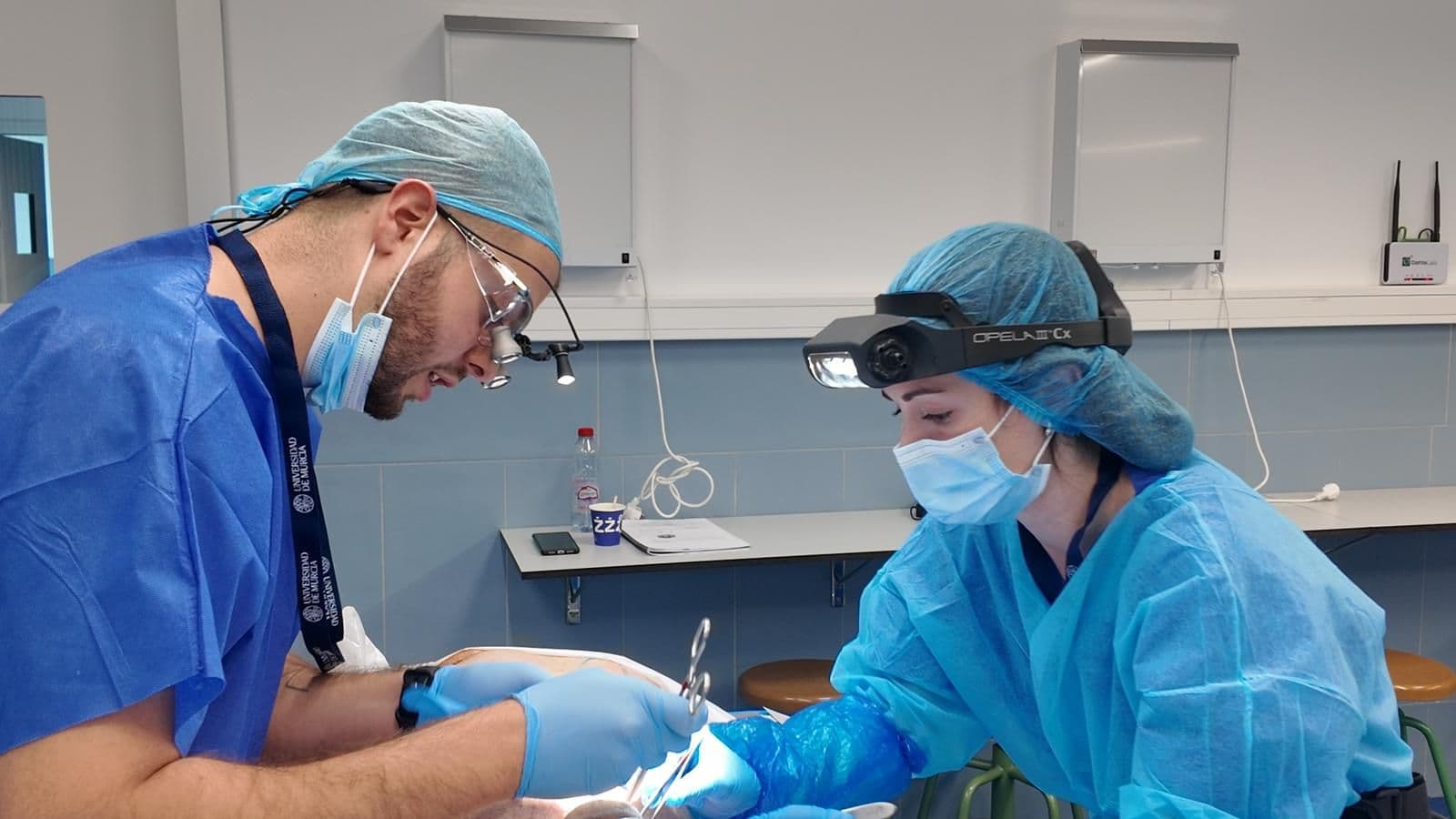
Surgical lighting remains one of the factors that most strongly influence the precision of a procedure. Although operating rooms are equipped with increasingly advanced lighting systems, certain procedures still present challenges related to shadows, changes in position, or loss of visibility. Wearable technologies such as Opela III Cx help address these needs from a new perspective.
Light: an element as important as surgical instruments
When discussing innovation in surgery, it is common to think of robotics, surgical navigation, or digital visualization systems. However, there is a much more basic element that continues to shape the course of any procedure: lighting.
A clear view of the surgical field makes it easier to identify anatomical planes, differentiate tissues, and work precisely throughout every stage of the procedure.
For this reason, lighting should not be understood solely as an operating room resource, but as a tool that directly influences the surgeon's experience and the team's efficiency.
Why do lighting problems still exist?
Ceiling-mounted surgical lights have evolved significantly in recent years, offering greater intensity, better color rendering, and more precise adjustment systems.
However, there are situations in which general lighting may not be sufficient.
Some examples include:
- Procedures involving deep surgical fields.
- Interventions in which the instruments themselves create shadows.
- Frequent changes in the surgeon's position.
- Surgeries with several professionals around the patient.
- Procedures requiring highly localized visualization.
In these scenarios, even small changes in the working angle can alter the lighting available over the area of interest.
When the light does not follow the surgeon's movement
One of the least visible challenges in the operating room is that the surgeon is constantly moving.
Every change in posture, every adjustment in the working angle, or every repositioning around the patient can alter the way light falls on the surgical field.
This sometimes makes it necessary to readjust the operating room lights to restore optimal illumination, an action that can momentarily interrupt the natural flow of the procedure.
Although this is an everyday action, reducing this type of adjustment can help maintain a smoother workflow.
The shift toward wearable lighting systems
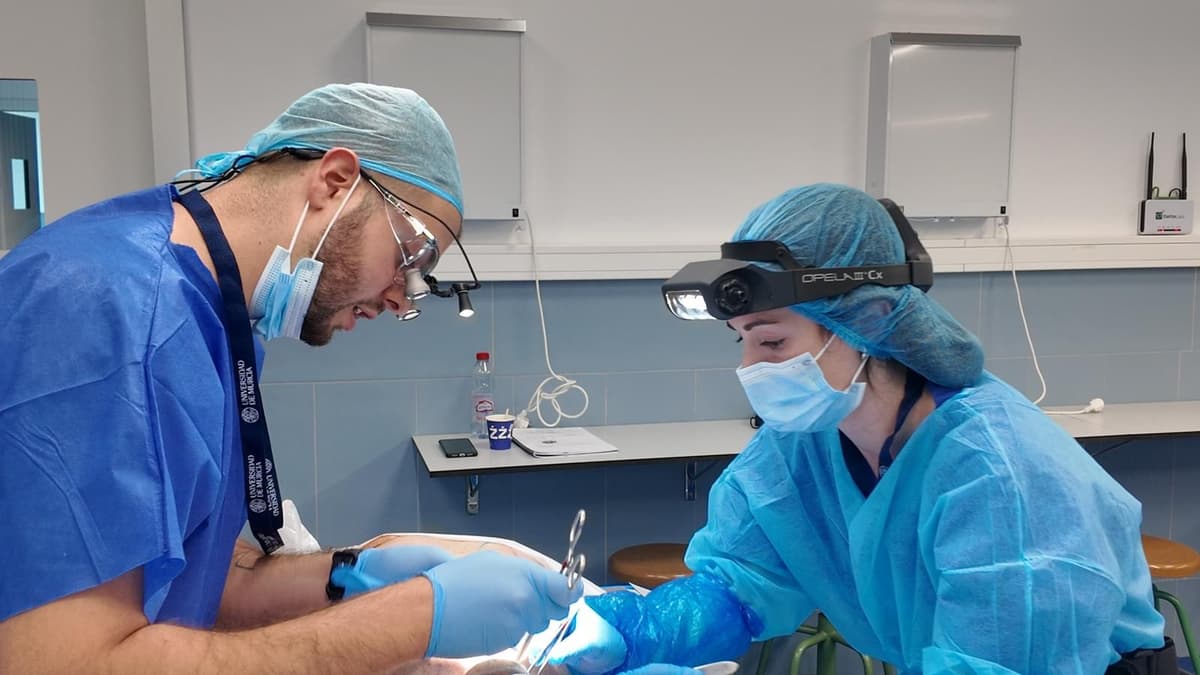
To address these limitations, wearable surgical lighting systems have emerged, a solution designed so that the light source permanently follows the professional's line of sight.
Instead of relying solely on a fixed source installed on the ceiling, the light beam moves with the surgeon, illuminating exactly the area on which attention is focused.
This approach offers particularly relevant advantages in procedures where visual precision is critical.
Opela III Cx: lighting aligned with the surgeon's gaze
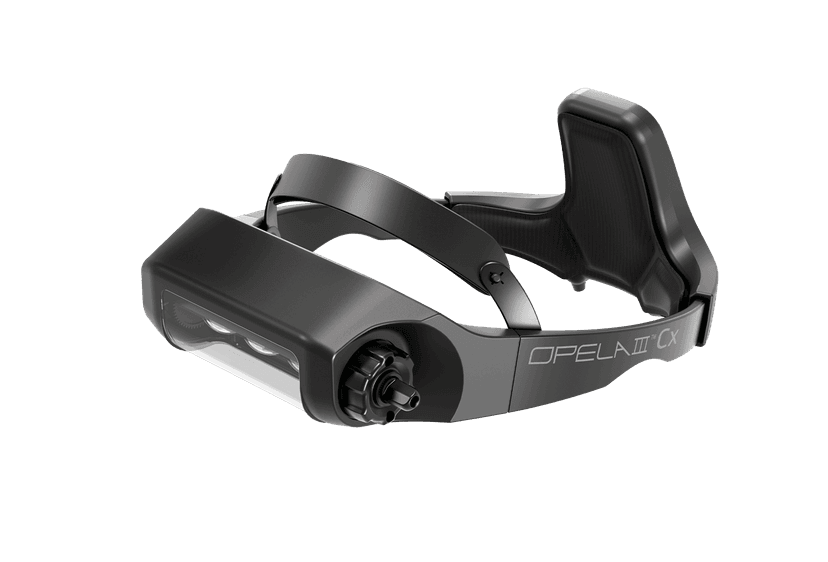
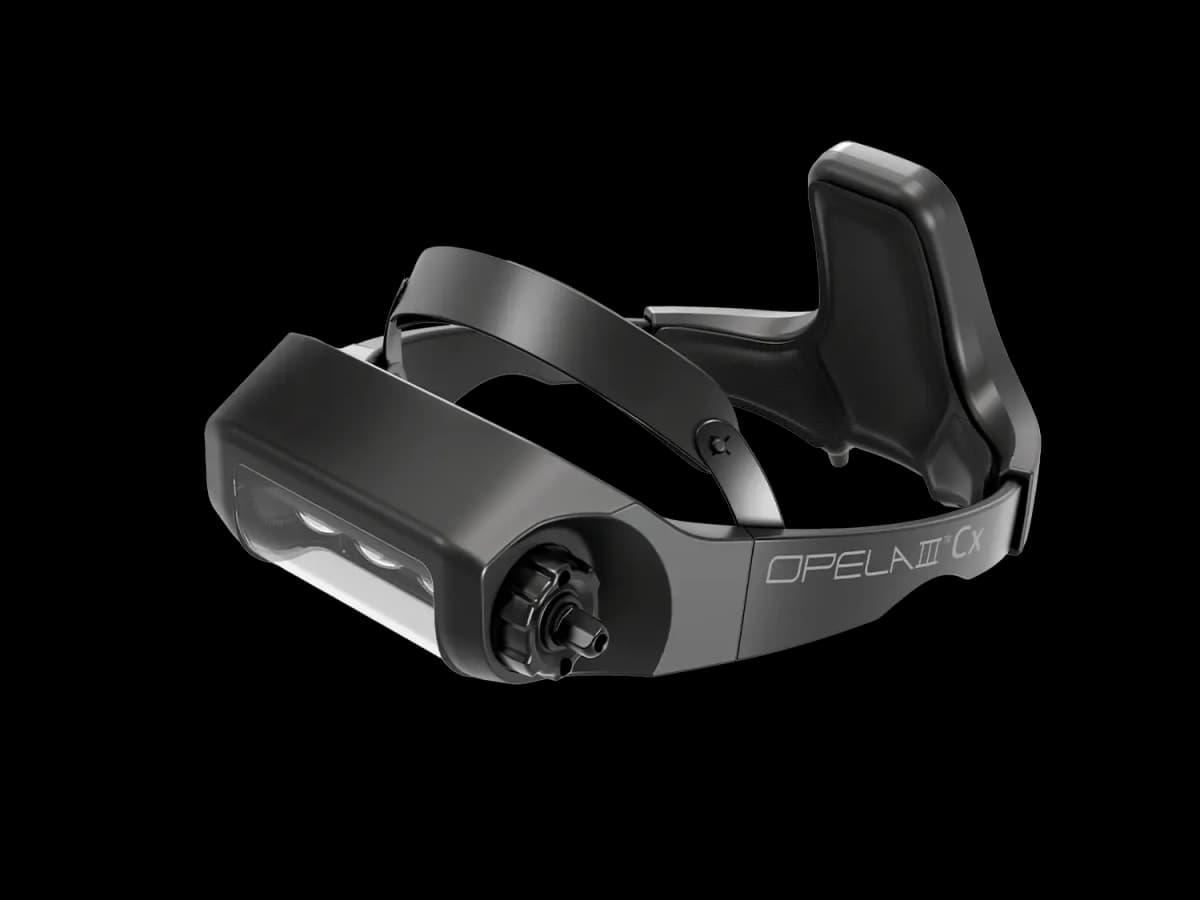
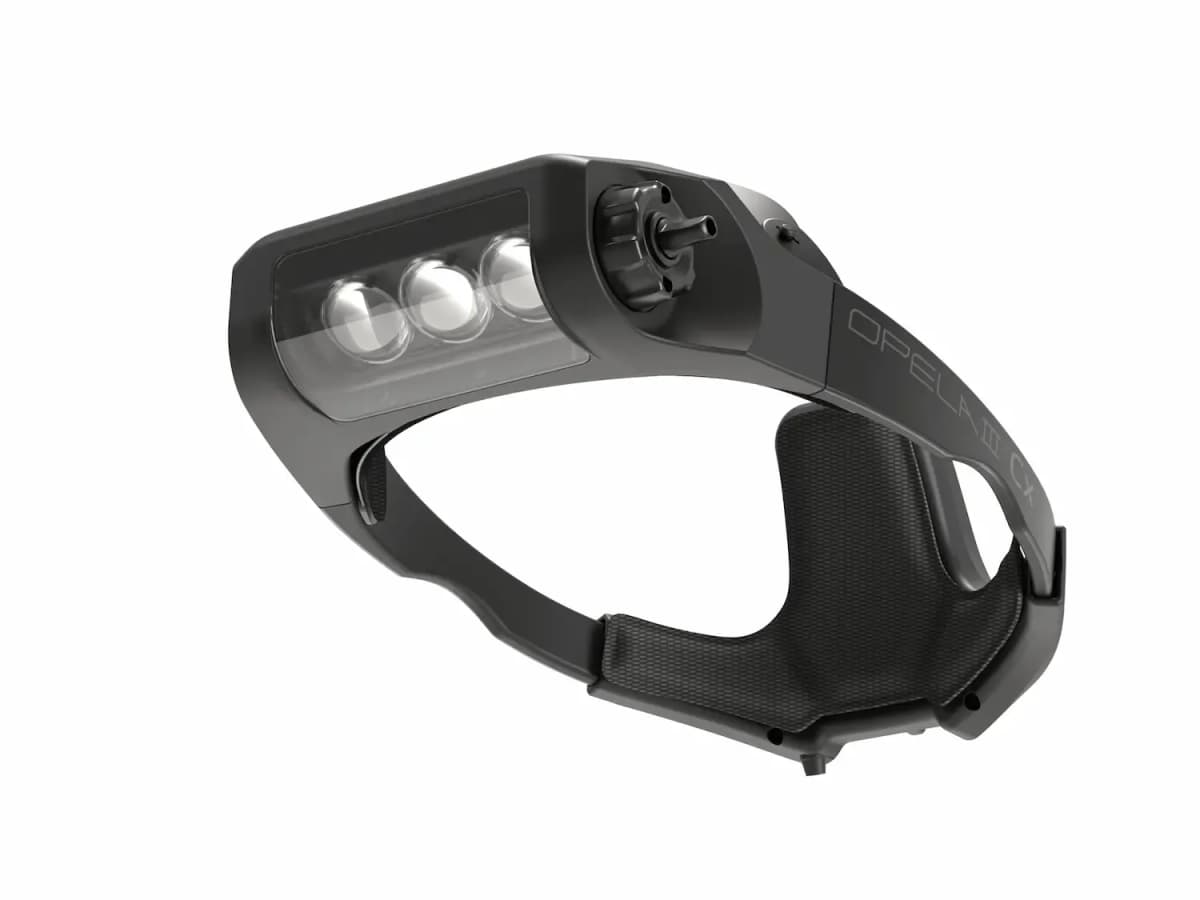
Part of this technological evolution is Opela III Cx, a wearable surgical lighting system designed to provide focused light directly on the surgical field.
By remaining aligned with the direction of the gaze, the system helps maintain consistent lighting even when the professional changes position during the procedure.
This feature can be especially useful in specialties such as:
- Plastic surgery.
- Oral and maxillofacial surgery.
- Otolaryngology.
- Neurosurgery.
- Orthopedics and trauma surgery.
- Vascular surgery.
- Dentistry.
More information about the system:
Beyond lighting: ergonomics and efficiency
The integration of a wearable system is not only intended to improve visibility.
It also responds to a growing trend in surgical equipment: developing technologies that contribute to a more comfortable working experience for the professional.
By reducing dependence on the continuous repositioning of ceiling-mounted lights, the surgeon can maintain greater freedom of movement and adapt position more naturally during the procedure.
These types of improvements can be especially valuable in lengthy or highly precise procedures.
A trend that will continue to grow
Modern surgery is evolving toward increasingly personalized environments, where technology adapts to the professional rather than the other way around.
Wearable lighting systems are part of this evolution, together with other solutions aimed at improving ergonomics, visualization, and efficiency in the operating room.
For hospitals, clinics, and surgical centers, incorporating this type of technology means expanding the tools available to optimize the medical team's experience and meet the needs of specialties that require precise visualization.
Frequently asked questions
Why does surgical lighting still matter if operating rooms already use LED lights?
Current lights provide excellent general illumination, but certain procedures may require a light source aligned with the surgeon's line of sight to minimize shadows and improve visualization of the surgical field.
What are the advantages of a wearable lighting system?
It allows the light to follow the professional's movements, providing focused illumination over the working area without relying exclusively on repositioning ceiling-mounted lights.
In which specialties can it provide the most value?
Wearable systems are especially useful in procedures involving small or deep anatomical structures, such as plastic surgery, ENT, maxillofacial surgery, neurosurgery, trauma surgery, or dentistry.
Does Opela III Cx replace operating room lighting?
No. It is a complementary solution that provides a focused light source aligned with the professional's gaze, improving visualization in certain clinical situations.
Surgical lighting evolves with the surgeon
Innovation in surgery does not always mean incorporating more complex technologies. In many cases, improving essential aspects such as visualization of the surgical field can make a real difference in the professional's daily experience. Solutions such as Opela III Cx represent this evolution, offering wearable lighting designed to adapt to the surgeon's way of working and complement conventional lighting systems.
If you would like to learn about the features of Opela III Cx or request a demonstration for your healthcare facility, visit https://optimedic.es/en/surgery/products/opela-iii-cx or contact the Optimedic team at https://optimedic.es/en/contact?product=opela-iii-cx.