

Opela III Cx: wearable surgical headlight for modern surgery
Opela III Cx is a wearable surgical headlight designed to provide high-quality light directly over the surgical field, improving visibility and the professional's mobility across different specialties.
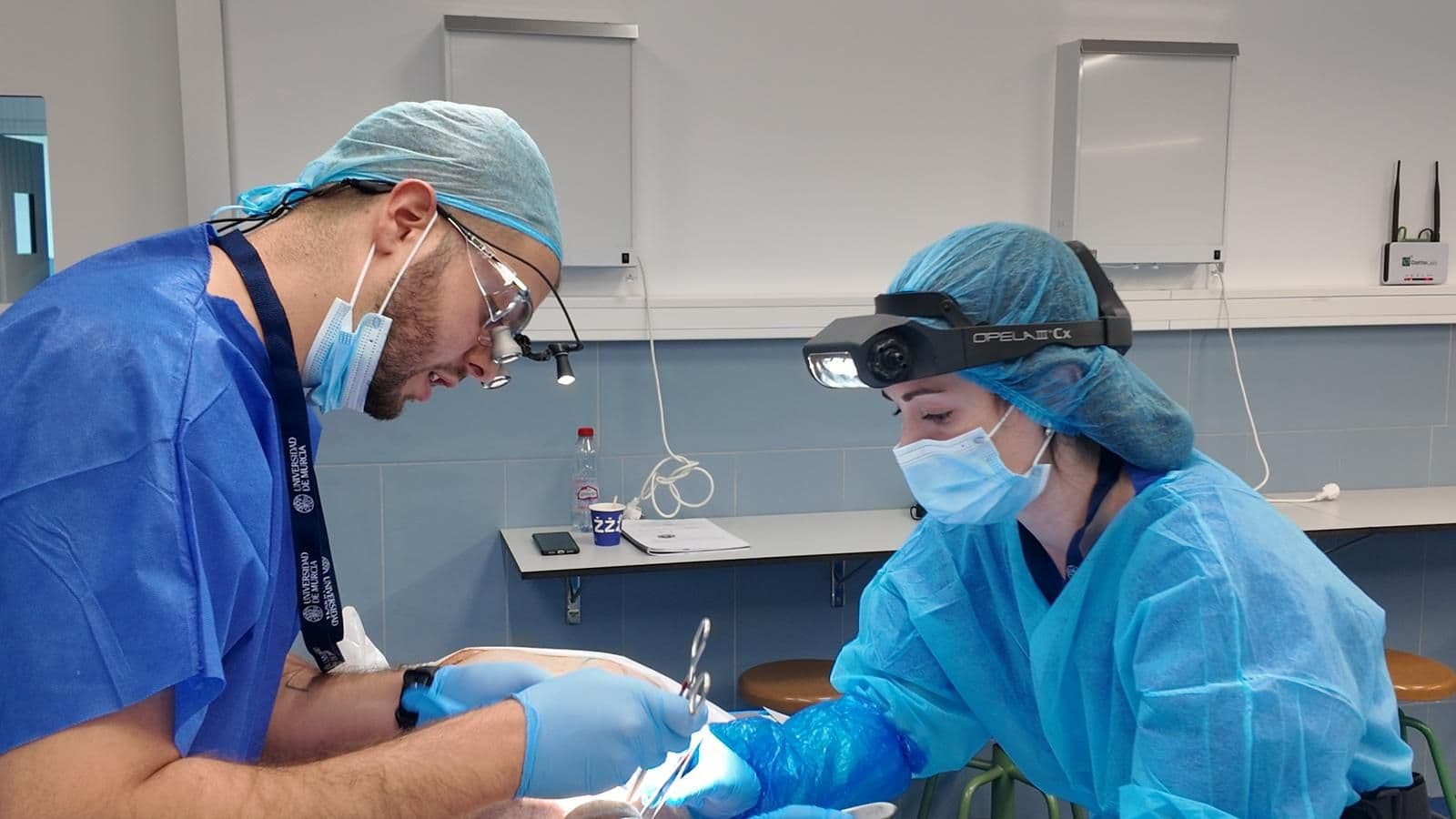
OpelaIII CX is a wearable surgical headlight designed to deliver precise, uniform illumination directly over the working field. Its portable design allows professionals to maintain freedom of movement while benefiting from a constant light source during surgical procedures and clinical examinations.
What is OpelaIII CX?
Lighting quality directly affects the visualization of anatomical tissues. In specialties that involve working on small structures or in deep cavities, having light aligned with the line of sight helps improve procedural precision.
OpelaIII CX is a wearable surgical lighting system that integrates the light source with the professional. In this way, the illumination follows every head movement, keeping the light beam directed toward the area of interest without relying exclusively on operating room lights.
Its compact, ergonomic design allows it to be used during procedures of varying duration, supporting mobility within the surgical environment.
Why choose a wearable surgical headlight?
Portable lighting systems have evolved to meet the needs of specialties that require maximum visual precision.
Its main advantages include:
- Lighting always aligned with the direction of gaze.
- Greater freedom of movement during the procedure.
- Reduced shadows caused by the equipment itself or by assisting staff.
- Better visualization in deep cavities or anatomical areas.
- Easy integration with other optical systems used in surgery.
These features help maintain stable illumination even when the professional changes position or adjusts the working angle.
Clinical applications of OpelaIII CX
The concept of a wearable surgical headlight is especially useful in procedures where visual precision is critical.
Specialties that can benefit from this type of technology include:
- General surgery.
- Plastic and reconstructive surgery.
- Vascular surgery.
- Neurosurgery.
- Maxillofacial surgery.
- Otolaryngology.
- Trauma and orthopedic surgery.
- Dentistry and oral surgery.
- Microsurgery.
It can also be used in specialist consultations and outpatient procedures where focused illumination is required without taking up additional space in the clinical environment.
Ergonomics and efficiency in the operating room
In addition to lighting quality, wearable devices aim to improve the professional's experience during the procedure.
By placing the light directly on the surgeon, the need to continuously readjust ceiling-mounted lights is minimized, supporting a smoother workflow.
This solution can also be especially useful when several professionals are working around the surgical field, as the illumination follows the individual movements of the person performing the main procedure.
Features of a wearable surgical headlight
| Feature | Benefit for the professional |
|---|---|
| Focused illumination | Light directed straight to the surgical field |
| Wearable design | Greater mobility during the procedure |
| Integration with optical systems | Compatible with different clinical setups |
| Uniform light distribution | Reduces shadows over the working area |
| Ergonomics | Enhances comfort during prolonged procedures |
When can OpelaIII CX provide the greatest value?
Wearable surgical headlights are especially useful when:
- The procedure requires high visual precision.
- There are frequent position changes during surgery.
- Work is performed in deep anatomical fields or areas with limited access.
- It is important to maintain constant illumination without depending on repositioning external lights.
- Surgical loupes or other magnification systems are used.
The combination of illumination and freedom of movement makes it possible to adapt visualization to each stage of the procedure.
Frequently asked questions
What does it mean that OpelaIII CX is a wearable surgical headlight?
It means the lighting system is integrated with the professional, allowing the light beam to follow the direction of gaze throughout the procedure without relying solely on ambient operating room lighting.
Can it be used together with surgical loupes?
Yes. Wearable surgical headlights are designed to complement the magnification systems used by many specialists, providing illumination aligned with the visual axis.
What advantages does it offer compared with a conventional surgical light?
Both systems are complementary. While the operating room light provides general illumination, a wearable headlight delivers focused light exactly where the professional is looking, reducing shadows and improving visibility in certain clinical situations.
In which specialties is it most useful?
It can be used in multiple medical and surgical specialties, especially those that require detailed visualization of anatomical structures or highly precise procedures.
OpelaIII CX: portable lighting for greater surgical precision
The evolution of surgical equipment is not only aimed at improving image quality or magnification, but also at optimizing illumination of the operative field. OpelaIII CX addresses this need through a wearable surgical headlight concept that combines mobility, ergonomics, and focused illumination adapted to different clinical environments.
If you would like to learn about the features of Opela III Cx or request a demonstration for your healthcare facility, visit the product page: https://optimedic.es/en/surgery/products/opela-iii-cx or contact the Optimedic team at https://optimedic.es/en/contact?product=opela-iii-cx.
Related Posts
Surgery and equipment
Opela III Cx: portable wearable surgical headlight
· Carolina Gay Sorrius
5 min read
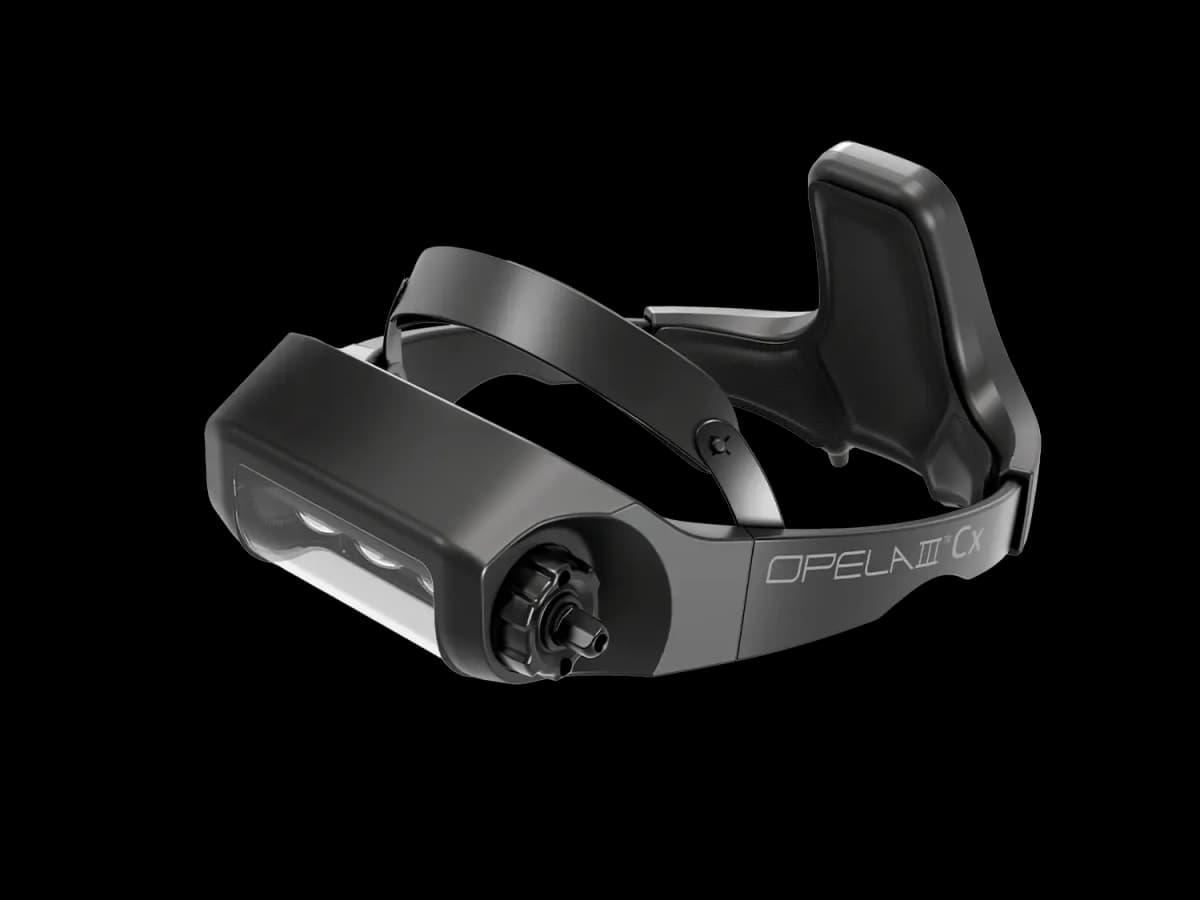
Opela III Cx redefines portable surgical lighting with a high-intensity wearable system, advanced ergonomics, and precise control of the light field across multiple clinical settings.
Read article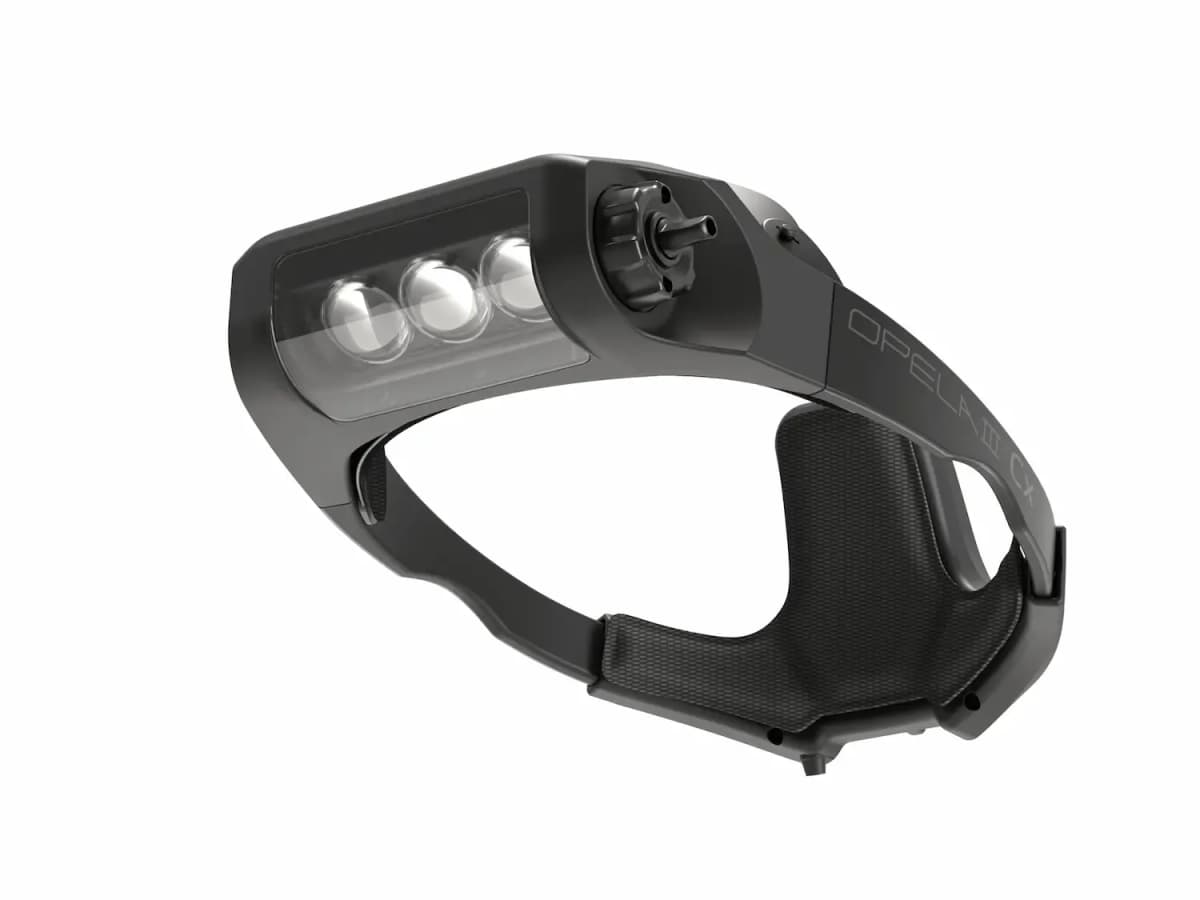
Surgery and equipment
Portable Surgical Lighting vs Overhead: When a Wearable System Pays Off
· Optimedic Team
6 min read
We compare overhead surgical lighting with wearable portable systems: advantages in deep cavities, mobility and cases where the surgical headlight replaces or complements the ceiling lamp.
Read article