Surgical loupes are not chosen, they are configured
Choosing surgical loupes goes far beyond selecting a magnification level or a frame. A personalized configuration determines how they adapt to the clinician and can influence comfort, ergonomics, and visual quality for years.
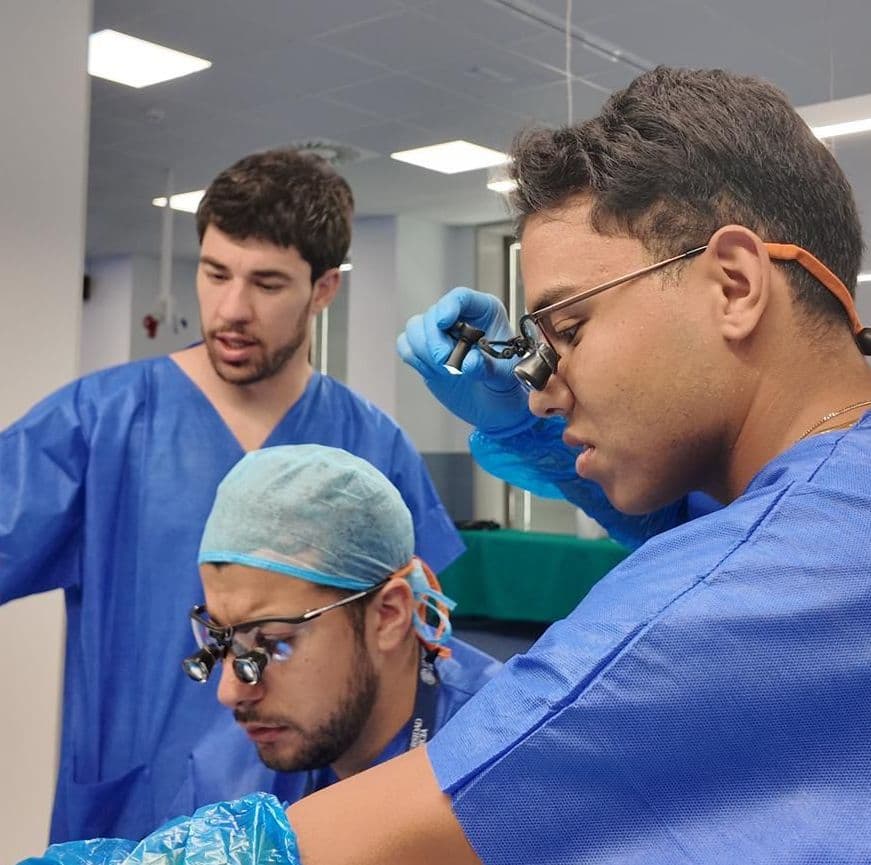
Surgical loupes are not a standard product. Even if two clinicians choose the same model, the final configuration can be completely different. Customizing parameters such as working distance, declination angle, or interpupillary distance is what turns loupes into a tool adapted to each individual way of working.
Choosing surgical loupes involves much more than selecting a magnification level
When a clinician starts looking for their first pair of loupes, it is common for attention to focus on aspects such as magnification, weight, or frame design.
However, these are only some of the elements involved in the decision.
Surgical loupes are part of the daily equipment of many surgeons, dentists, and healthcare professionals. Their purpose is not only to enlarge the image, but to do so in a way that allows comfortable work during repetitive or long procedures.
That is why choosing loupes should not be understood as buying a product, but as configuring a personalized working tool.
Why might two clinicians need different configurations?
Even within the same specialty, no two clinicians work in exactly the same way.
Factors such as height, usual posture, type of procedure, or clinical environment directly influence the most suitable configuration.
For example, aspects such as the following may vary:
- Working distance.
- Interpupillary distance.
- Declination angle.
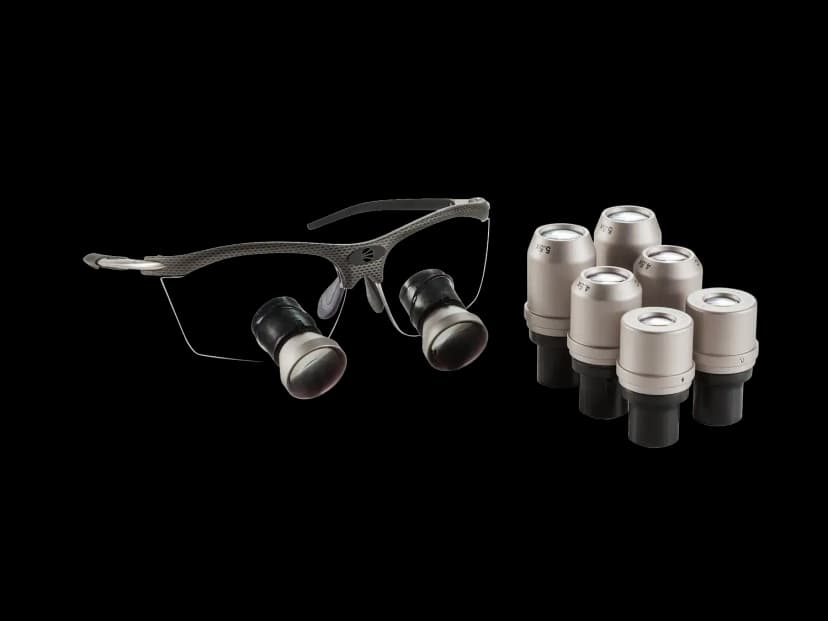
- Required magnification.
- Field of view.
- Depth of field.
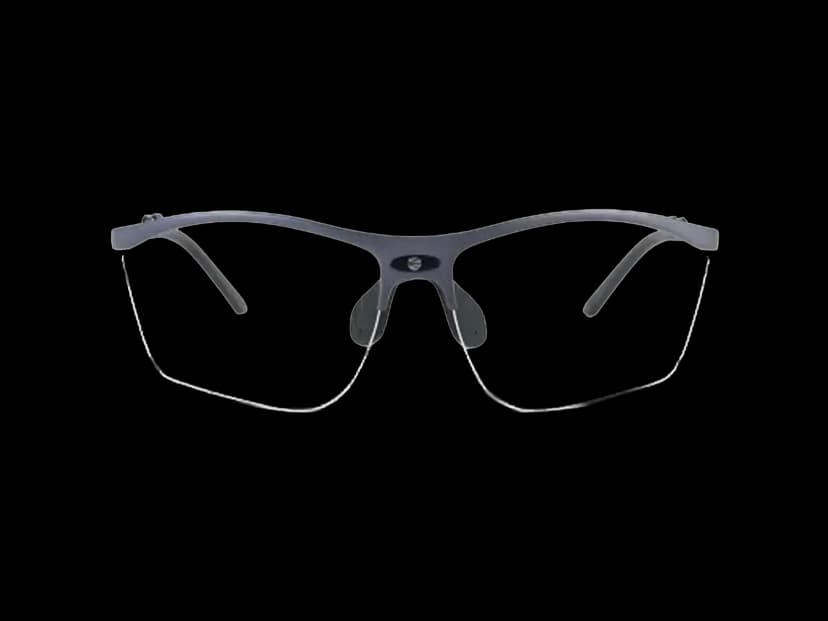
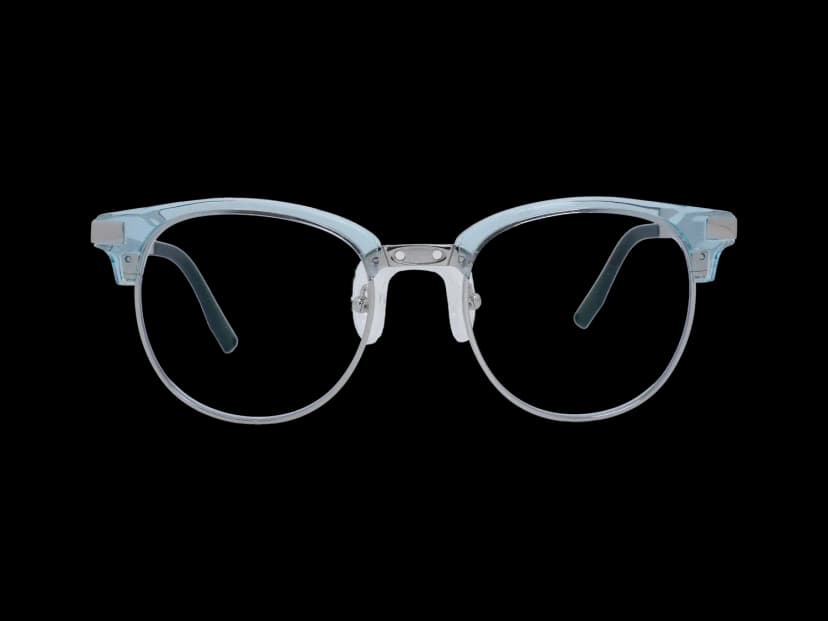
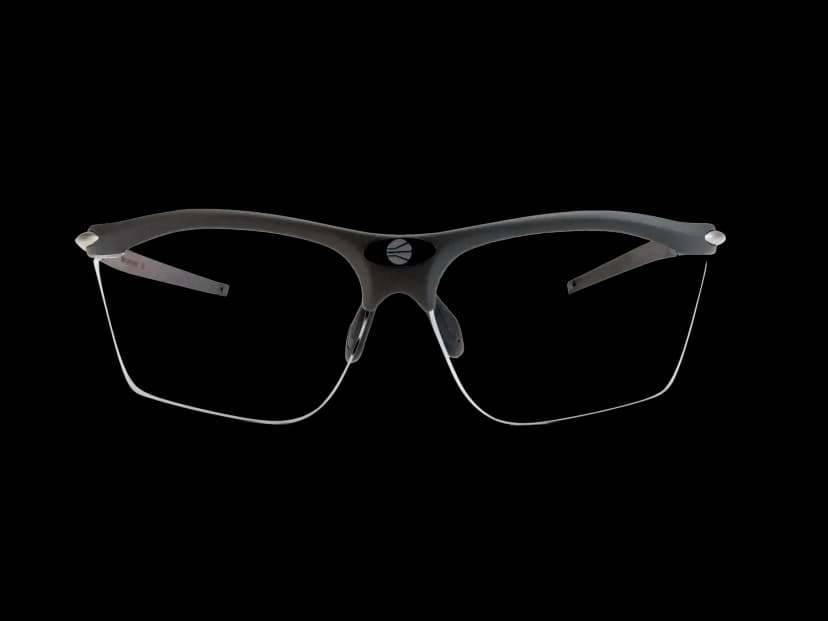
- Type of frame.
For this reason, two surgeons performing similar procedures may end up using completely different configurations.
The importance of working distance
One of the most relevant parameters is the working distance, that is, the distance between the clinician's eyes and the operating field when adopting a natural posture.
If this measurement is not adjusted correctly, the clinician may tend to tilt the head or unconsciously modify posture to achieve a focused image.
Over time, these compensations can affect comfort during work and make it harder to benefit fully from the advantages offered by properly configured loupes.
For this reason, individual measurement of this parameter is part of the customization process.
Ergonomics: a benefit that starts before using the loupes
When people talk about ergonomics, they often think only about the weight of the loupes.
However, comfort during a procedure depends on the combination of many factors.
A suitable configuration can promote:
- A more natural working posture.
- Less need to bend the neck.
- More comfortable alignment between the line of sight and the operating field.
- A visual experience adapted to the clinician.
In this sense, customization is just as important as optical quality.
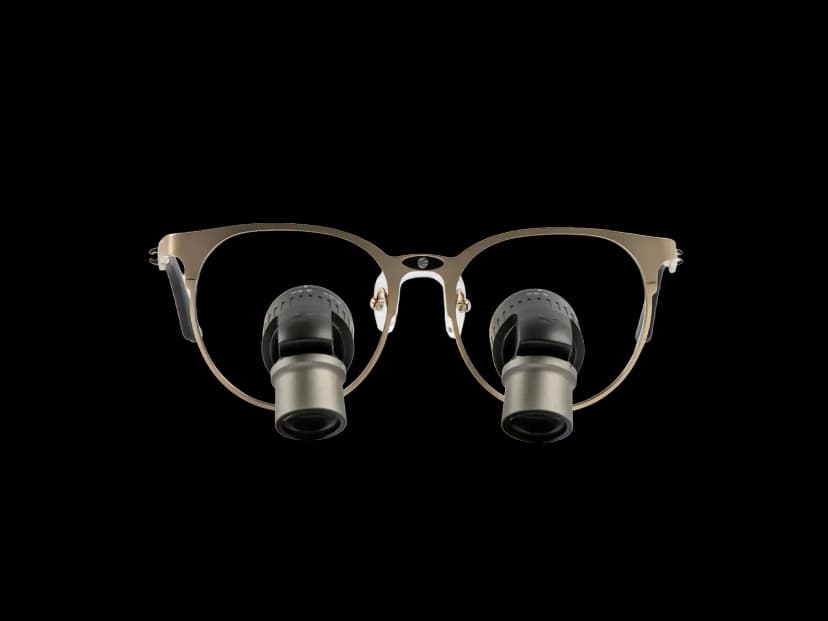
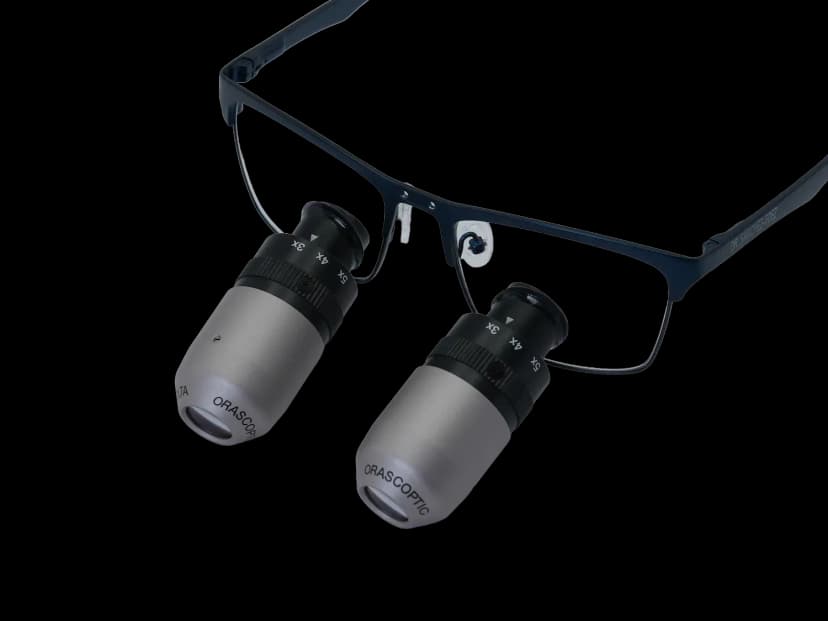
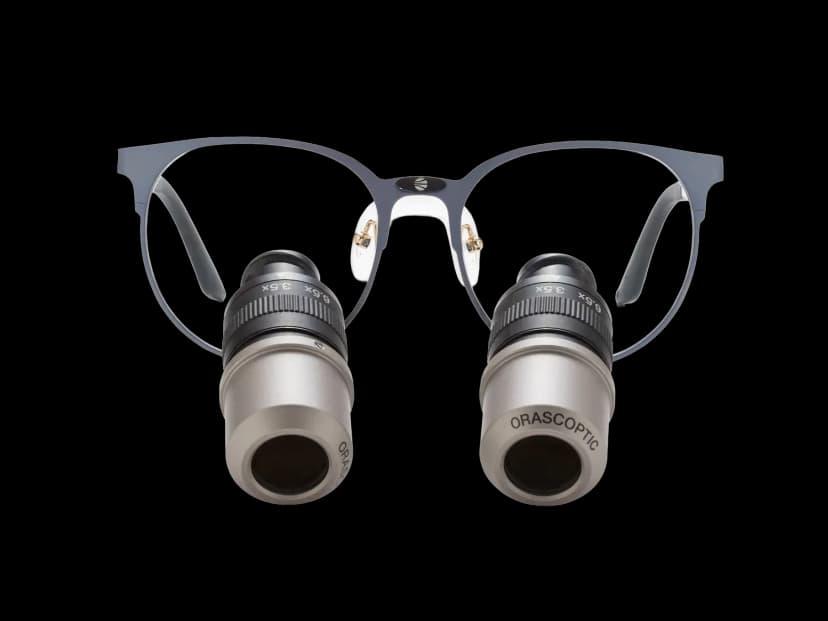
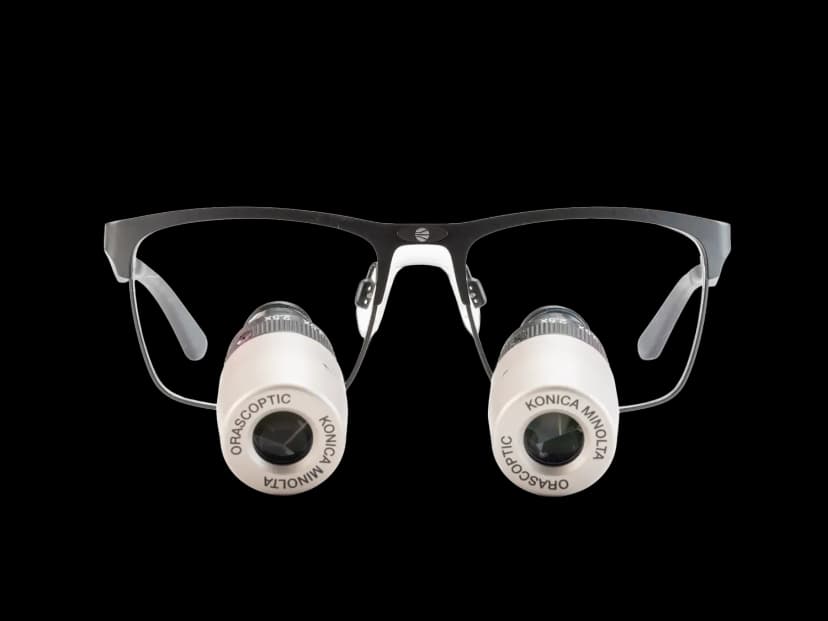
Not all frames offer the same experience
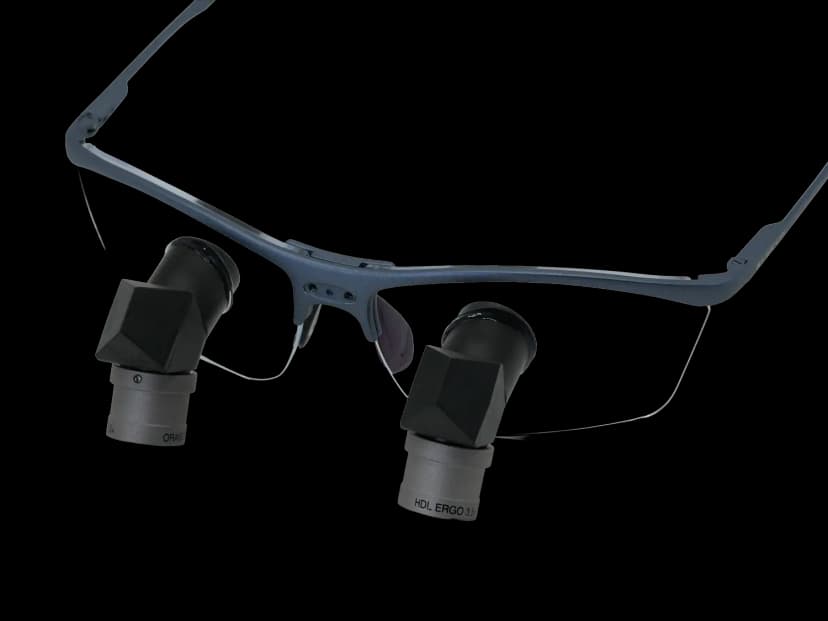
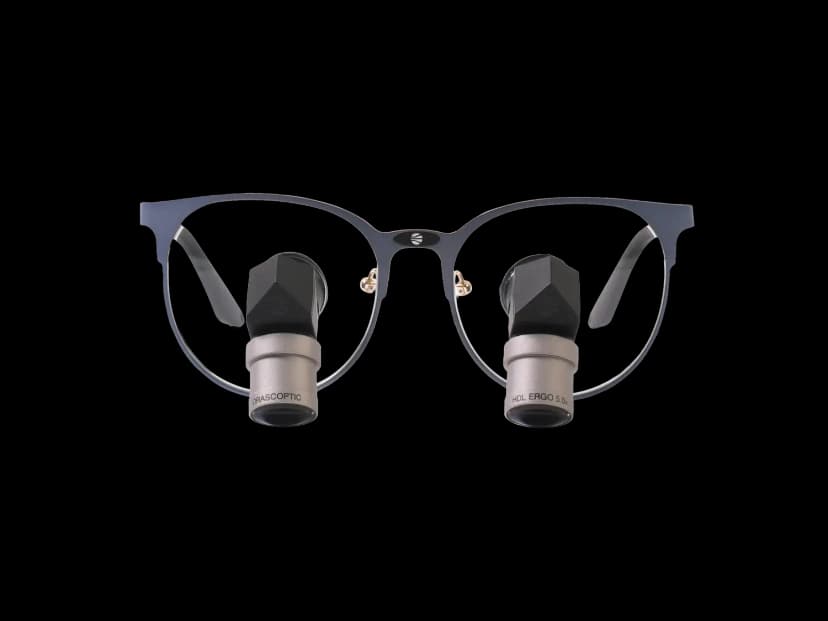
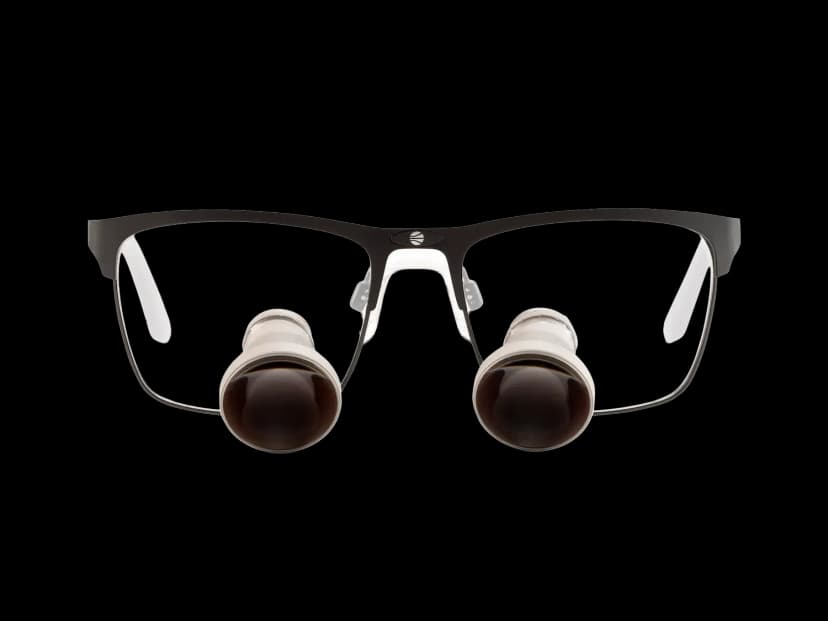
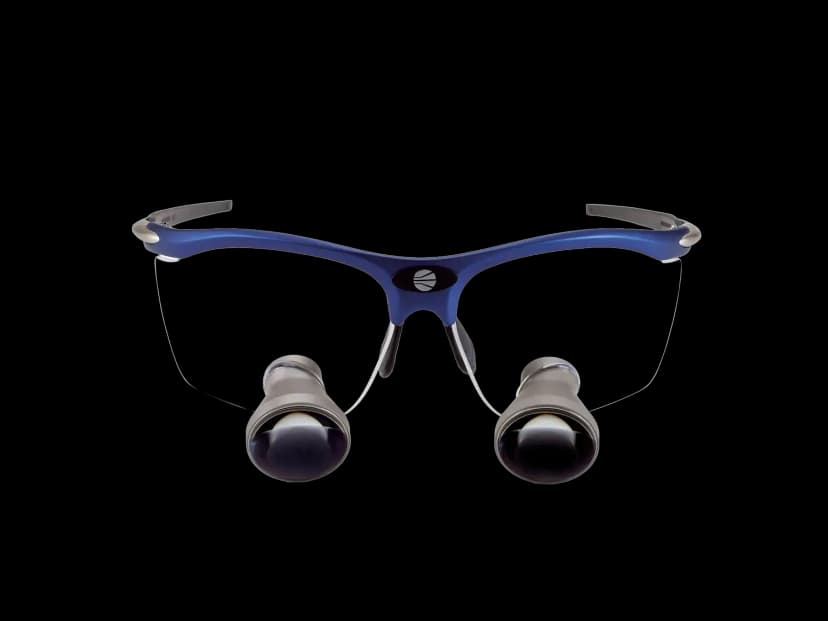
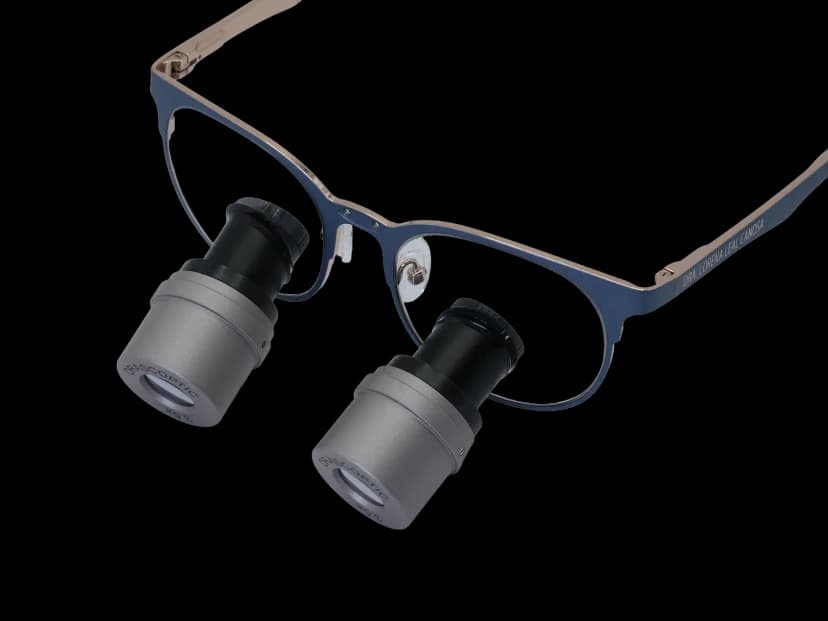
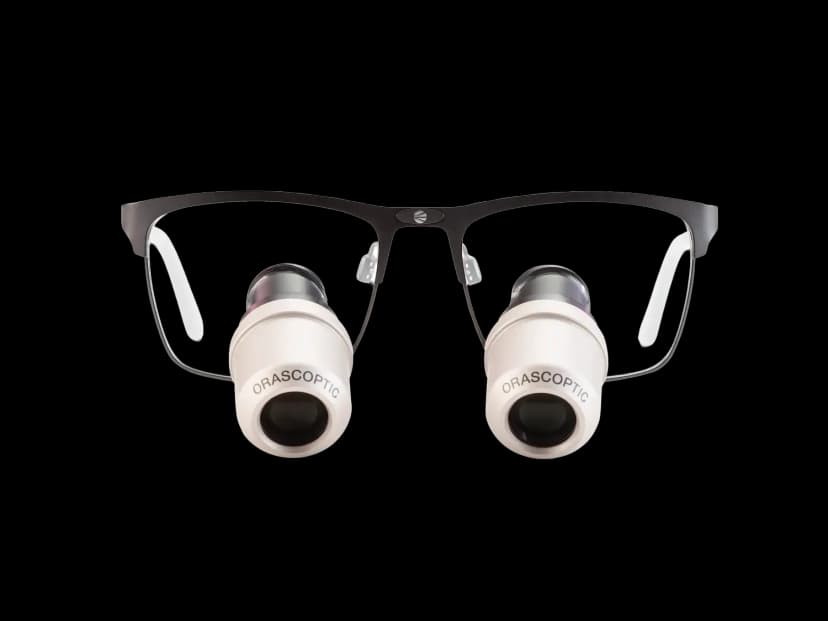
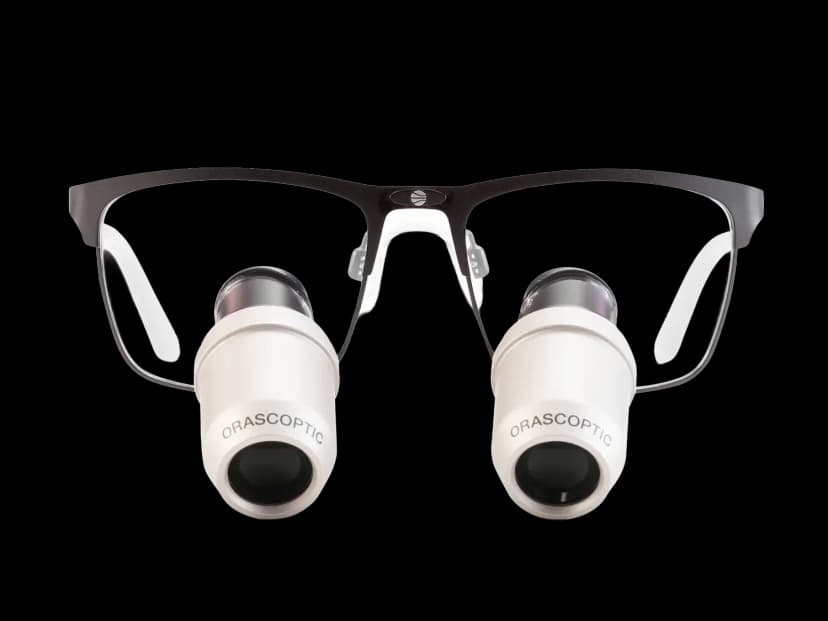
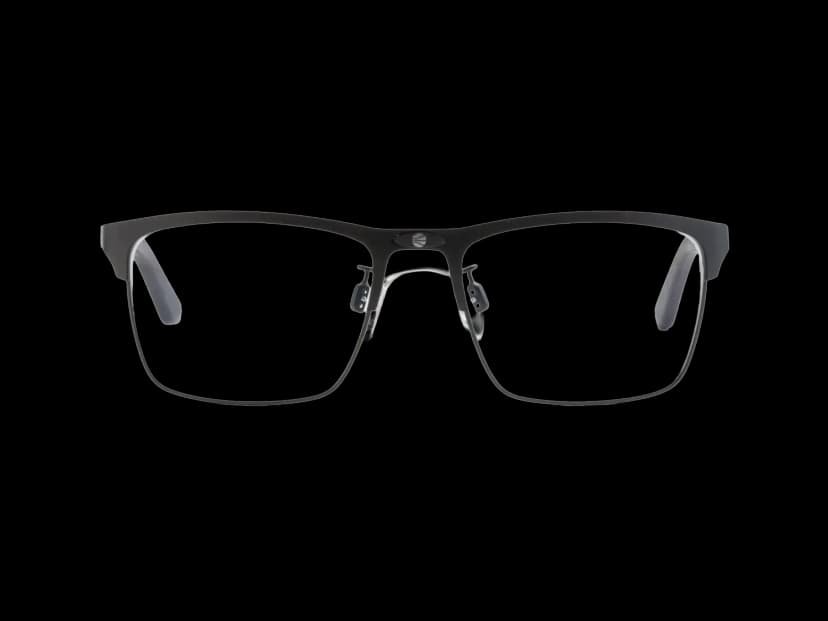
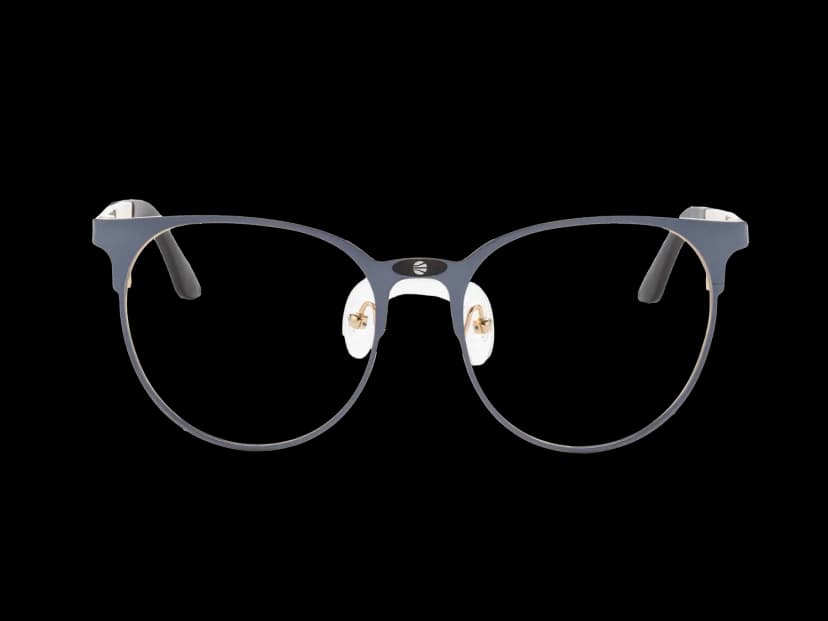
The frame is also part of the configuration of surgical loupes.
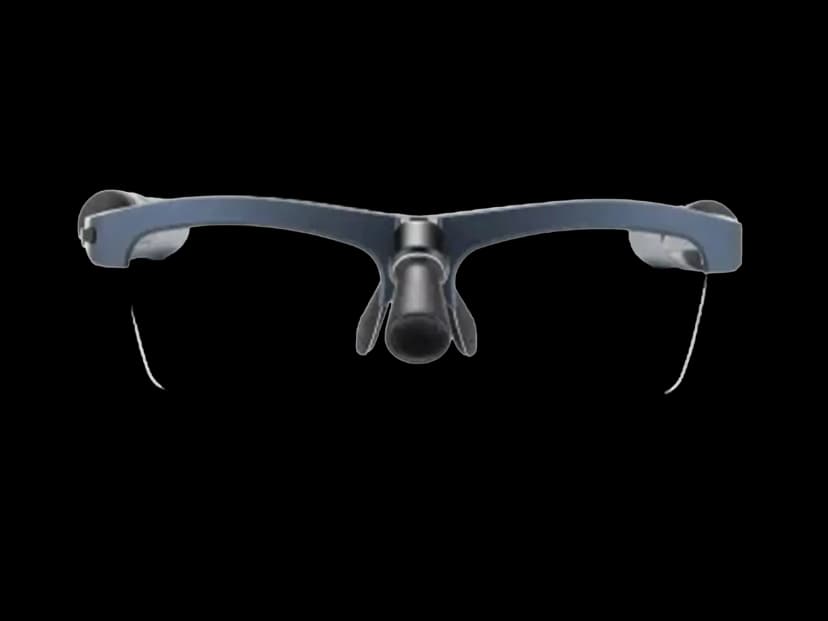
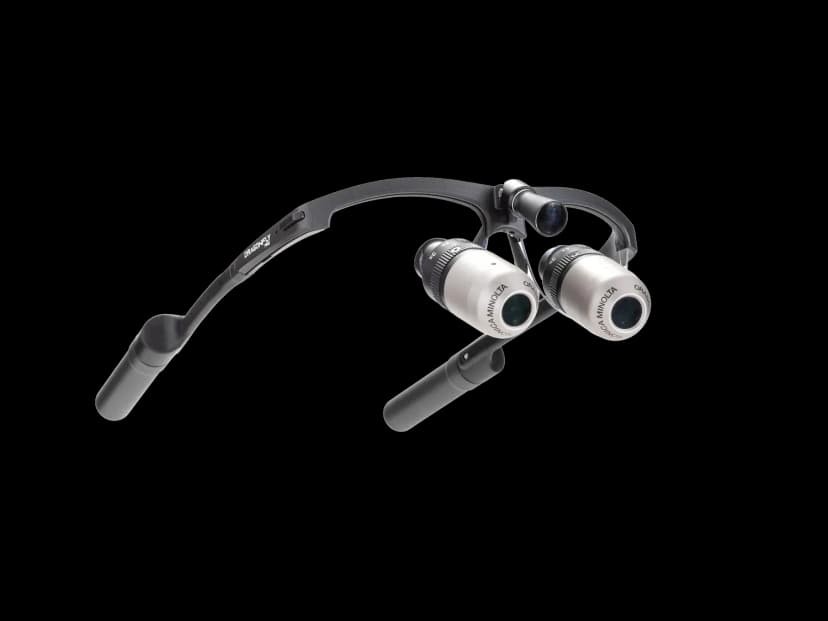
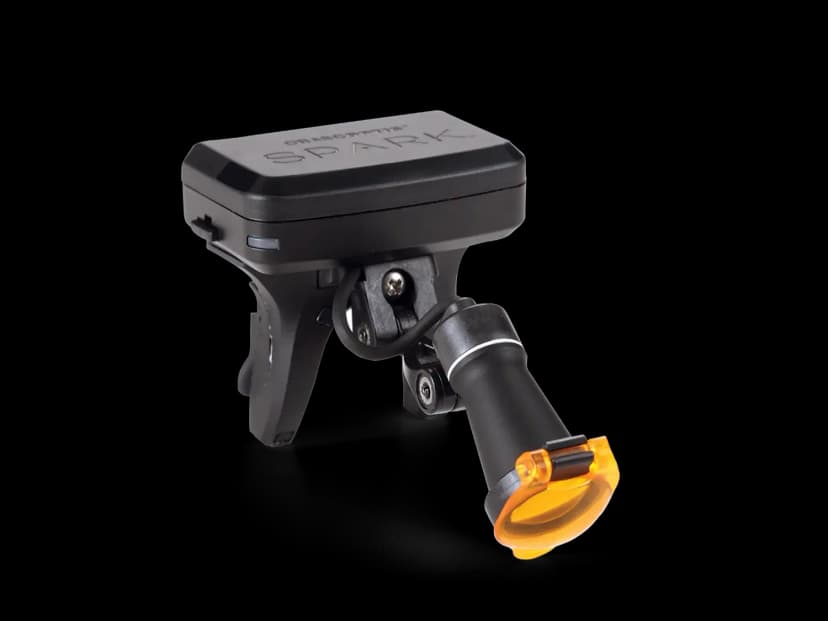
Beyond aesthetics, aspects such as weight distribution, stability, facial fit, or compatibility with a headlight can influence the user's daily experience.
For this reason, manufacturers such as Orascoptic offer different frame options to adapt to the preferences and needs of each clinician.
You can explore the range of available solutions at:
A personalized configuration also prepares for the future
A clinician's needs can change over time.
A resident starting clinical practice will not always perform the same procedures a few years later. Likewise, a specialist may expand their treatment portfolio or incorporate new techniques that change their magnification needs.
Choosing loupes with the right guidance makes it possible to consider these aspects from the beginning and select a configuration that responds both to current needs and to the future evolution of clinical practice.
The value of specialized advice
Precisely because there are multiple variables, prior advice plays a fundamental role.
Before configuring loupes, it is advisable to assess aspects such as:
| Aspect | Why is it important? |
|---|---|
| Specialty | Determines usual magnification needs. |
| Working distance | Influences posture and focus. |
| Type of procedures | Helps select magnification and field of view. |
| Ergonomics | Makes it possible to adapt the loupes to the clinician's way of working. |
| Evolution of clinical practice | Supports a choice with a long-term perspective. |
This evaluation process is what makes it possible to turn surgical loupes into a truly personalized tool.
Frequently asked questions
Are all surgical loupes of the same model identical?
No. Even if the model is the same, each unit can be configured with personalized parameters such as working distance, interpupillary distance, or declination angle to adapt to each clinician.
Why is a personalized configuration important?
Because it affects aspects such as comfort, posture, visual quality, and how well the loupes adapt to the user's working environment.
Is magnification the only thing that matters?
No. Magnification is one of the elements to consider, but field of view, depth of field, ergonomics, the frame, and other specific parameters also play a role.
What role does advice play before choosing loupes?
It makes it possible to analyze the clinician's needs and define a configuration adapted to their specialty, way of working, and clinical goals, supporting a more suitable long-term choice.
The best loupe is the one that adapts to the clinician
Choosing surgical loupes is not only about comparing technical specifications. The real value lies in configuring a solution adapted to each clinician, taking into account how they work today and how their clinical practice will evolve in the future.
At Optimedic, we support this process through personalized advice to help each specialist find the most suitable configuration within the Orascoptic range. If you would like to learn more about our magnification solutions or request a demonstration, visit https://optimedic.es/en/loupes or contact our team at https://optimedic.es/en/contact?product=surgical-loupes.