Clinical applications · Surgery and equipment
MetaSCOPE: digital exoscope with recording and streaming in surgery
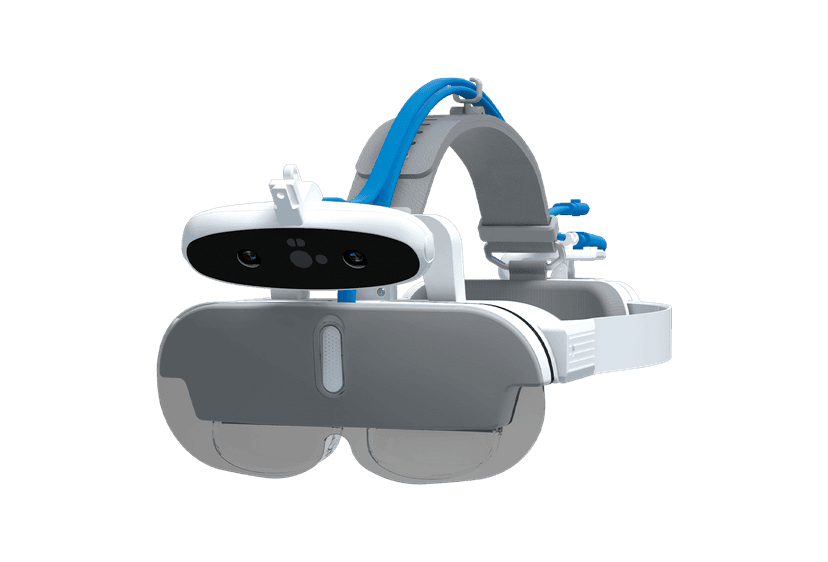
MetaSCOPE is a digital exoscope that combines advanced visualization, real-time recording, and streaming, making clinical documentation, training, and collaboration easier in surgery and dentistry.
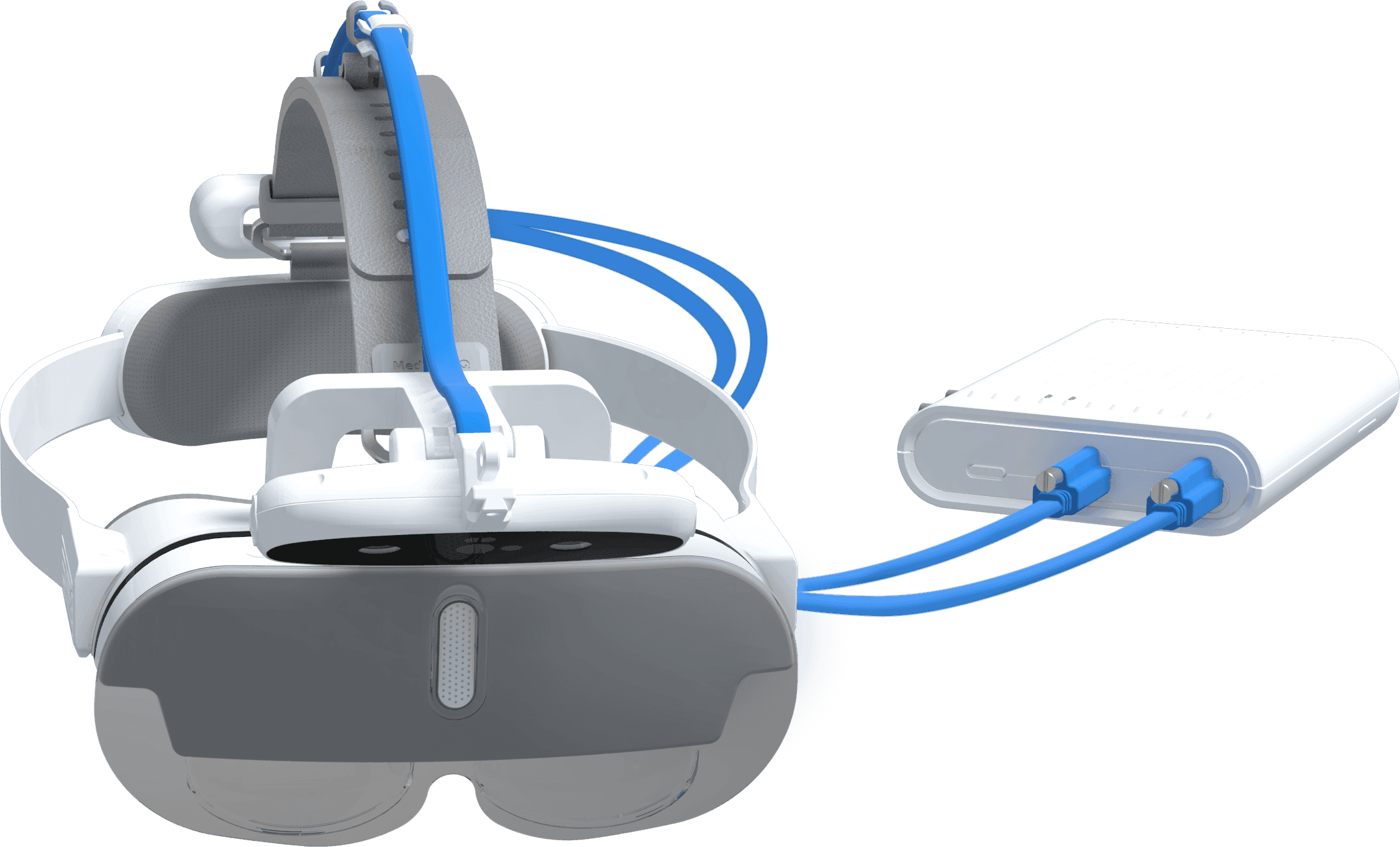
A digital exoscope like MetaSCOPE makes it possible to view the surgical field in high definition without eyepieces, while integrating real-time recording and streaming. This technology supports clinician ergonomics, clinical documentation, and remote collaboration in dental and surgical procedures.
What is a digital exoscope and how does it work?
A digital exoscope is a surgical visualization system that replaces traditional eyepieces with a high-resolution camera and display. Instead of looking through optics, the clinician views the operative field on a monitor, improving posture and environmental awareness.
In the case of MetaSCOPE, the system combines:
- High-definition image capture
- Real-time digital processing
- Display on medical monitors
- Integrated recording and transmission
This architecture makes it possible to adapt visualization to different specialties within Surgery.
Clinical advantages of the MetaSCOPE digital exoscope
1. Improved surgical ergonomics
By eliminating eyepieces, clinicians can maintain a more natural posture. This is especially relevant in lengthy procedures where neck fatigue can affect performance.
2. Shared visualization
The entire surgical team can observe the same field in real time. This facilitates coordination in the operating room and improves resident training.
3. Integrated recording
MetaSCOPE allows procedures to be recorded without the need for external systems. Recording is useful for:
- Clinical documentation
- Case review
- Internal training
4. Real-time streaming
Live transmission opens up new possibilities:
- Remote training
- Remote supervision
- Case presentations at conferences
Applications in dentistry and surgery
The use of a digital exoscope is expanding across multiple areas:
| Specialty | Typical application |
|---|---|
| Dentistry | Endodontics, oral surgery, implantology |
| Traumatology | Precision surgery, minimally invasive procedures |
| Microsurgery | Detailed visualization without optical fatigue |
| General surgery | Support in complex procedures |
In dentistry, it integrates with magnification systems such as surgical loupes, while in surgery it can complement other advanced visualization devices.
Differences compared with traditional microscopes
| Feature | Digital exoscope | Surgical microscope |
|---|---|---|
| Visualization | Screen | Eyepieces |
| Ergonomics | High | Limited |
| Recording | Integrated | Requires accessories |
| Teamwork | Collaborative | Individual |
| Learning curve | Moderate | Standard |
The shift toward digital systems does not mean completely replacing other technologies, but rather expanding the available options depending on the type of procedure.
Integration into the clinical workflow
Adopting MetaSCOPE requires consideration of:
- Space in the operating room or practice
- Monitor configuration
- Recording and storage protocols
- Use in training and education
This type of technology is particularly well suited to environments where clinical digitalization is a priority.
To assess its implementation, it is advisable to request information or a demonstration through specialized contact.
Frequently asked questions
What is the difference between a digital exoscope and a microscope?
A digital exoscope uses cameras and screens instead of eyepieces. This enables shared visualization, better ergonomics, and digital features such as recording or streaming, which are not always integrated into traditional microscopes.
Is a digital exoscope suitable for dentistry?
Yes, especially in precision procedures such as endodontics or oral surgery. It improves visualization and allows cases to be documented, complementing the use of loupes or traditional magnification systems.
Can it record and stream at the same time?
MetaSCOPE is designed to integrate both functions. This makes it possible to record the procedure while streaming it live, supporting training and remote supervision.
Does it require specific training?
There is an initial learning curve, mainly related to the change in visualization. However, the digital interface is usually intuitive and integrates progressively into clinical practice.
How is it integrated into the operating room?
It adapts to the existing workflow through monitors and flexible positioning. It is important to plan its placement so that it does not interfere with other surgical equipment.
Digital exoscope: toward more connected surgery
The development of solutions such as MetaSCOPE reflects a clear trend toward the digitalization of surgical visualization. The combination of ergonomics, recording, and streaming not only improves clinical practice, but also enhances training and collaboration.
To learn more about this type of technology or explore its application in your clinical setting, you can view the full catalog at https://optimedic.es/en/catalogs or request advice through https://optimedic.es/en/contact.