
Surgery and equipment
Surgery No Longer Ends When the Procedure Is Over
Each procedure ends for the patient, but the knowledge generated during surgery can continue to provide value to the surgical team. We explore how documentation and visualization are transforming training, collaboration, and continuous improvement in hospitals.
Surgical documentation has taken on an increasingly important role in hospital practice. A procedure may end in the operating room, but the knowledge generated during surgery remains valuable for training, clinical review, and the continuous improvement of teams.
The End of a Surgery Does Not Always Mark the End of Its Value
When a procedure is completed, the clinical objective has been achieved.
However, from the hospital's perspective, that procedure has also generated experience, observations, and lessons that may remain useful long afterward.
Every decision made during surgery, every technique used, and every situation resolved form part of a body of knowledge that, if properly documented, can benefit other professionals and contribute to the development of the department.
For this reason, more and more hospitals consider that a procedure does not truly end when the patient leaves the operating room.
Documentation Is Also Part of Quality of Care
Continuous improvement requires analyzing what happens during clinical practice.
Review sessions, resident training, discussions of complex cases, and conference preparation all need to rely on objective information and faithful visualization of the procedure.
Surgical documentation supports this process by making it possible to review procedures from a more complete and structured perspective.
It is not only about preserving images.
It is about preserving knowledge.
Sharing Experience Strengthens the Entire Team
One of a hospital's greatest assets is the accumulated experience of its professionals.
However, that knowledge reaches its full potential when it can be shared.
The ability to review procedures together with residents, specialists from other disciplines, or members of the same team encourages collaborative learning and helps standardize criteria within the department.
Surgery ceases to be an exclusively individual act and also becomes an opportunity for collective learning.
Technology Makes It Easier to Preserve Knowledge
The evolution of visualization systems has made it possible for surgical documentation to become part of the regular workflow without altering the dynamics of the procedure.
Having high-quality images makes it easier to review cases, prepare clinical sessions, and create teaching materials adapted to different care settings.
In this context, technology is no longer just a resource for observing a procedure.
It also becomes a tool for preserving the experience it generates.
MetaSCOPE: Visualize Today to Keep Learning Tomorrow
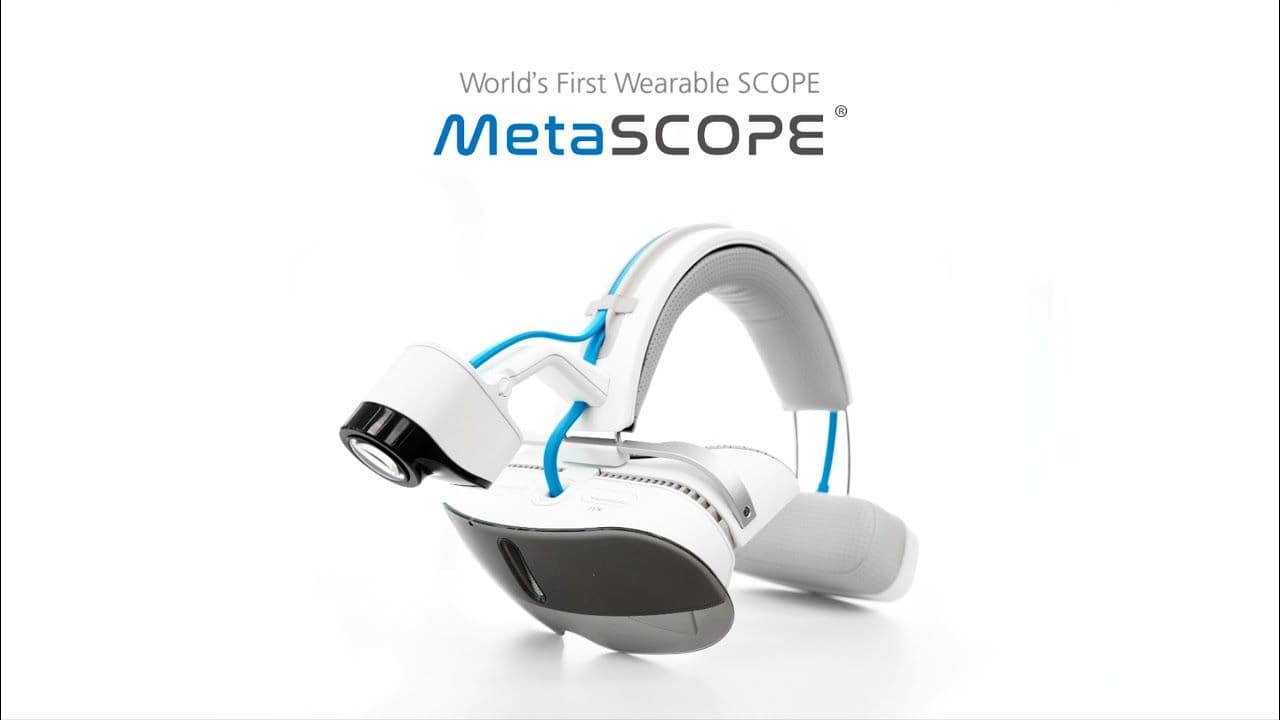
Within this evolution, MetaSCOPE provides a visualization solution designed to integrate into the surgical environment and facilitate both observation of the procedure and its documentation.
Its application is especially relevant in hospitals and centers where training, multidisciplinary collaboration, and continuous improvement are part of daily activity.
You can learn more about MetaSCOPE at /en/surgery/products/metascope, discover the rest of the solutions in /en/surgery, or contact our team through /en/contact?product=metascope.
Knowledge Is Also Part of the Outcome of a Procedure
The success of a surgery is not limited to the result achieved during the procedure.
It also includes everything it can contribute to the hospital once it is over: shared experience, training, case analysis, and opportunities for improvement.
In this context, documenting a procedure means making full use of all the value generated by the work of the surgical team, turning each operation into an opportunity to keep learning.
Frequently asked questions
What is meant by surgical documentation?
It refers to the visual and documentary recording of a procedure for clinical, educational, or clinical review purposes, always in accordance with the protocols and requirements applicable at each institution.
Why is it important to document surgery?
Because it makes it possible to review procedures, support resident training, analyze clinical cases, and promote continuous improvement within the department.
How does MetaSCOPE contribute to this process?
MetaSCOPE facilitates the visualization and documentation of surgical procedures, allowing the knowledge generated during surgery to be used later in educational activities, clinical sessions, or internal reviews.
How does Optimedic support hospitals and professionals?
Optimedic advises hospitals and surgical teams on the implementation of visualization solutions tailored to their needs, facilitating the integration of technologies aimed at clinical practice, education, and collaboration among professionals.
Surgery Also Leaves a Legacy of Knowledge
Every procedure represents an opportunity to treat a patient, but also to generate experience that can continue to provide value to the team and the organization.
At Optimedic, we work with technologies such as MetaSCOPE, designed to help hospitals integrate visualization and surgical documentation into their daily practice, fostering an environment where each procedure can contribute not only to care, but also to training and continuous improvement.