
Surgery and equipment
Surgery also generates knowledge. How can you leverage it?
Every surgical procedure generates valuable knowledge that can support training, case review, and continuous improvement. Discover how technology helps preserve and share that experience beyond the operating room.
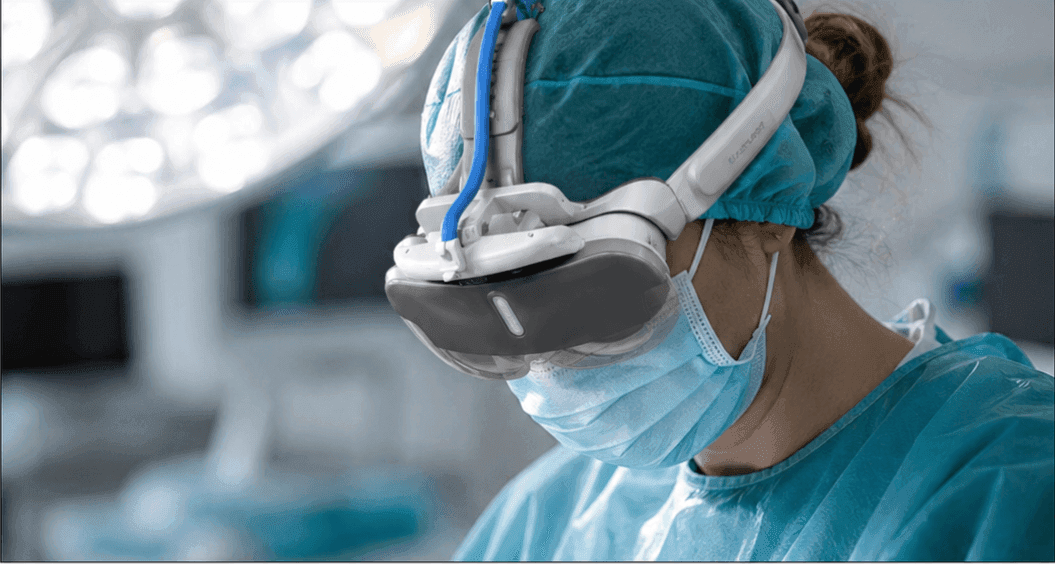
Every procedure generates much more than a clinical outcome. It also produces experience, decisions, techniques, and lessons that can bring value to other professionals. In this context, the surgical exoscope not only represents an evolution in visualization of the operative field, but also a tool for preserving and sharing the knowledge generated in every procedure.
Every surgery leaves behind knowledge that should not be lost
A surgical procedure is the result of years of training, experience, and adaptability.
During the procedure, decisions are made, unexpected situations are resolved, and techniques are applied that can hardly be captured solely in a protocol or a scientific article.
Traditionally, much of that knowledge remained in the operating room and only reached other professionals through direct observation or the exchange of experiences.
Today, technology offers new possibilities to preserve that value and make it accessible to more people.
Sharing experience is also part of clinical practice
Medicine evolves thanks to research, but also thanks to the exchange of knowledge among professionals.
Reviewing a complex case, analyzing a surgical technique, or discussing a decision made during a procedure are common practices in hospitals and training centers.
When there is an opportunity to document a surgery with quality, these sessions take on a new dimension.
It is not only about showing the final outcome, but about analyzing the procedure step by step and turning every intervention into a learning opportunity.
From the operating room to training
Surgical training has changed significantly in recent years.
Residents and specialists no longer depend exclusively on being present in the operating room to learn certain techniques.
The possibility of reviewing recorded procedures, analyzing real cases, and sharing experiences makes it possible to complement hands-on training and enrich clinical sessions.
In addition, this type of documentation can also be useful for:
- Reviewing complex cases.
- Continuing education for surgical teams.
- Multidisciplinary clinical sessions.
- Conference presentations.
- Academic and university programs.
Each procedure stops being an isolated moment and becomes a source of knowledge that can continue to provide value over time.
The role of an exoscope in surgical documentation
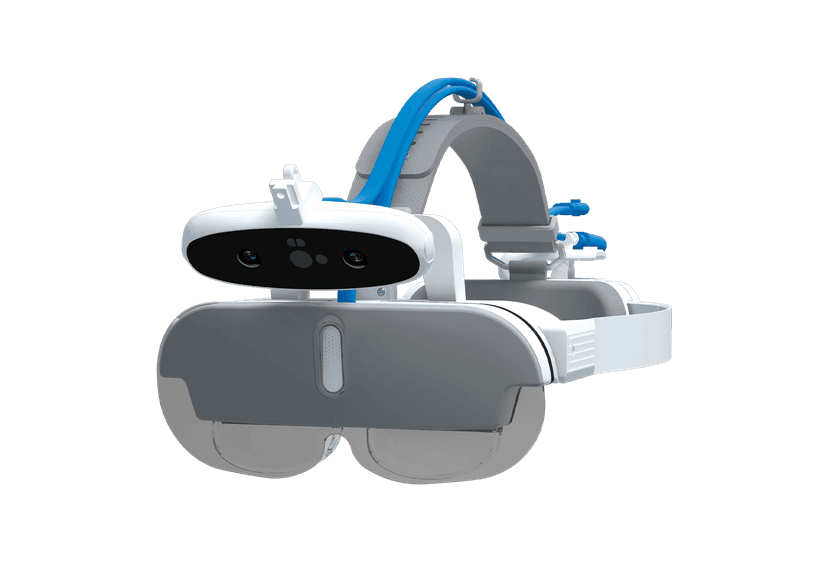
In this context, technologies such as MetaSCOPE expand the possibilities for documentation and collaboration within the surgical environment.
As a surgical exoscope with digital visualization, it allows the image of the procedure to be shared with the team, displayed on screens, and later used for teaching or clinical review purposes, always in compliance with the protocols and requirements applicable at each institution.
Beyond image quality, this type of solution helps ensure that the knowledge generated during a procedure is not limited to those who were present in the operating room.
You can learn more about MetaSCOPE at MetaSCOPE.
Preserving knowledge is also innovation
When people talk about surgical innovation, it is common to think of new techniques or devices.
However, there is also innovation in the way knowledge is managed.
Making it easier for a surgery to be reviewed later, used to support training, or contribute to continuous improvement means extending the value of each procedure beyond the surgical act itself.
In this sense, technology does not replace the surgeon's experience.
It helps preserve and share it.
Frequently asked questions
Why is it important to document a surgical procedure?
Documentation makes it possible to review procedures, analyze clinical decisions, support the training of new professionals, and facilitate knowledge sharing within surgical teams.
What does an exoscope contribute to surgical training?
In addition to providing digital visualization of the procedure, an exoscope can make it easier for the intervention to be shared and later used for teaching, review, or clinical discussion purposes.
Is the exoscope intended only for teaching?
No. Its main function is visualization of the surgical field during the procedure. However, its image documentation and sharing capabilities expand its potential for training, collaboration, and case analysis.
How does Optimedic support hospitals and surgical centers?
At Optimedic, we advise hospitals and clinics on the adoption of technologies that improve daily practice, encourage collaboration among professionals, and contribute to the development of increasingly connected surgical environments.
Knowledge is also part of the outcome of a surgery
Every procedure leaves a legacy that goes beyond the treatment performed. The experience gained, the decisions made, and the techniques used constitute a highly valuable resource for training and continuous improvement.
At Optimedic, we are committed to technologies that help preserve that knowledge and share it with other professionals. MetaSCOPE represents this vision of a more connected surgery environment, where every procedure can continue to provide value even after it has ended. If you would like to learn more about this solution, visit MetaSCOPE, explore our Surgery section, or contact our team via Contact.