Surgery and equipment · Clinical applications
Recording and Streaming in Surgery: Applications in Training, Telementoring and Clinical Documentation
Recording and streaming in the operating room open new applications in resident training, telementoring between centers and clinical documentation. We review use cases and technical requirements.
Recording and streaming in the operating room have moved from optional add-on to functional part of modern surgery. They allow training residents with video of the magnified field, opening telementoring between centers, archiving procedures for review, and documenting practice with medico-legal value. Signal quality determines whether those uses are real or approximate.
Why recording surgery is relevant in 2026
Classic surgical recording was performed with accessory cameras —typically over the microscope or in the field— that delivered a signal degraded compared to what the surgeon's eye saw. With the generalization of native digital visualization, that difference disappears: the sensor that captures the image is the same that delivers it to the surgeon's monitor, so the recording is exactly what the operator sees.
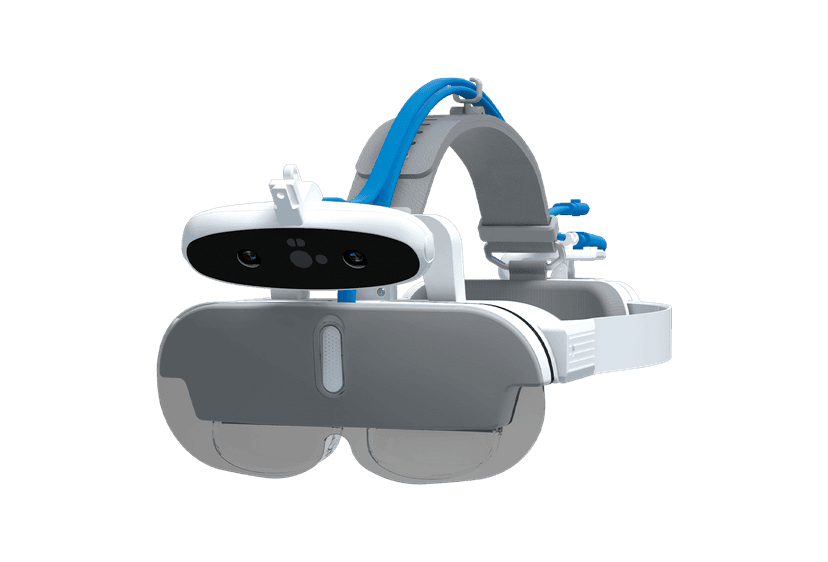
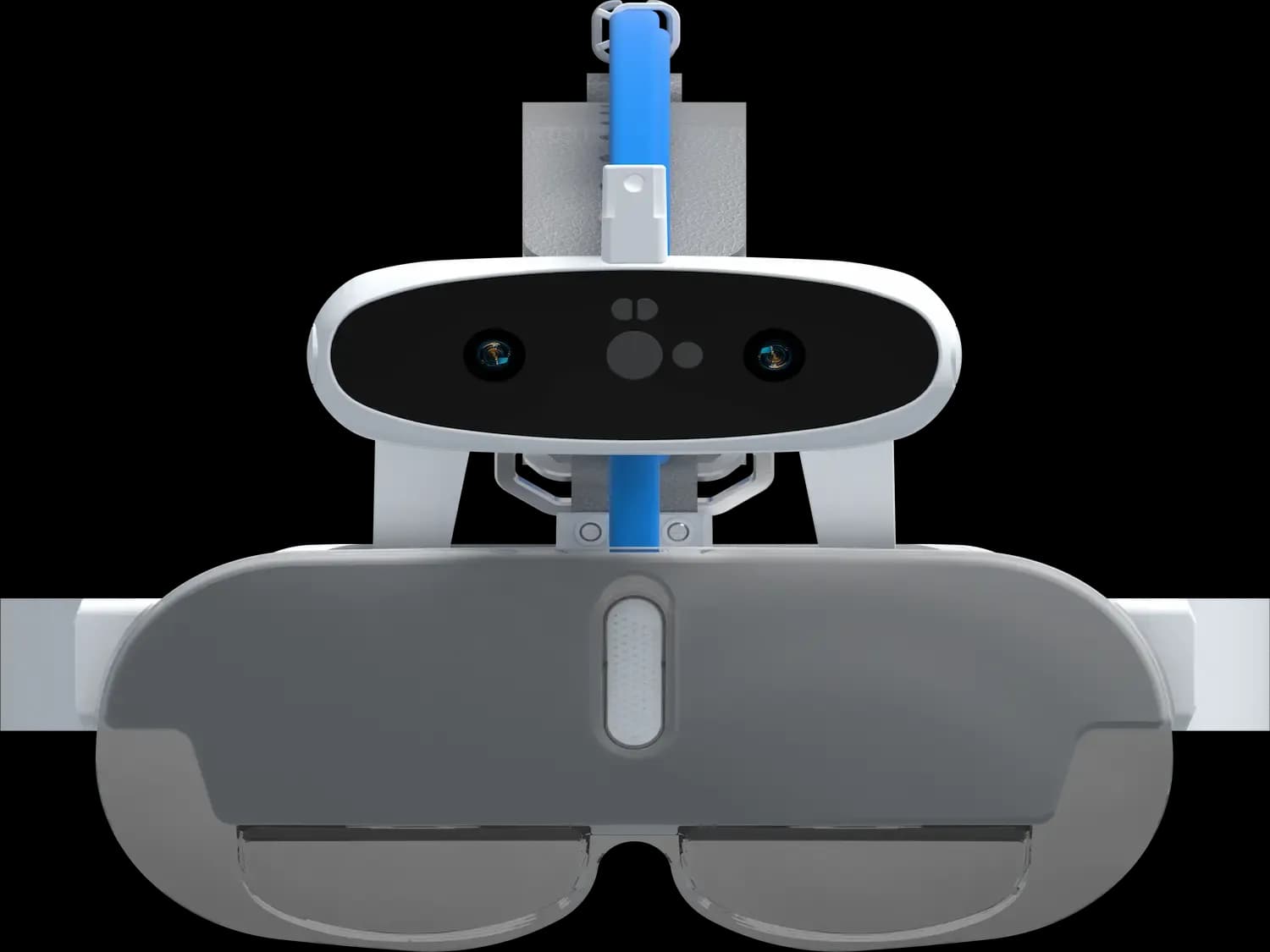
This changes the role of recording in the operating room. What used to be approximate material for informal review is now a documentary source with clinical quality. Within surgical equipment, systems such as MetaSCOPE integrate native 4K capture and live streaming without loss.
Real use cases group into three blocks: training, telementoring and documentation.
Surgical training with real-time video
In teaching centers, the resident traditionally observes the primary surgeon from a spectator position: lateral to the field, with incomplete view and no access to the magnification the operator sees.
Digital visualization changes this dynamic. The resident watches the same monitor as the primary surgeon, with the same magnification and framing. What is being seen is discussed while it is seen, not reconstructed afterward.
Specific training applications:
- Intraoperative sessions: the primary surgeon can comment on specific gestures while executing them; the resident identifies anatomical structures with the same image quality
- Archive of model procedures: reference video libraries to review techniques before a similar case
- Objective evaluation: the resident's progress can be assessed on real videos of their own procedures, not only on written reports
This integration of video into surgical training accelerates the learning curve and enables more standardized qualitative evaluation.
Telementoring and remote consultation between centers
Live surgery streaming opens possibilities in cross-center consultation that were previously logistically impossible:
Telementoring. A surgeon expert in a specific technique —typically with high caseload in a reference center— advises a colleague at a peripheral center in real time, viewing the same field image and commenting by audio. The patient receives the expert's knowledge without being transferred.
Intraoperative cross-specialty consultation. A surgeon may request the opinion of another specialist —pathologist, interventional radiologist, fellow surgeon— on an unexpected finding during the procedure, showing them the image exactly as they see it.
Connection to adjacent room or training area. Without leaving the hospital, streaming allows residents in a conference room to follow the procedure live. Useful on teaching days with complex cases.
Technical requirements are specific: minimal latency, 4K quality, synchronized audio and, above all, transmission security compliant with clinical data regulations.
Clinical documentation and medico-legal value
Routine procedure recording generates an objective record of the surgical act with utility on three levels:
Postoperative complication review. When a late complication appears, having the procedure video allows reviewing the technique with criterion, identifying critical points and learning for future cases. Without video, review depends only on the surgeon's memory and the written report.
Medico-legal defense. In case of claim, the procedure video is direct documentary evidence of the technique employed. It substitutes for or complements findings in the operative report and clinical history.
Institutional archive. Teaching centers and reference hospitals build procedure libraries as institutional asset. They enable internal training, clinical research and technical quality auditing.
The decision on what to record, how to archive and who has access requires clear center protocols: patient consent, archive location, retention and deletion, access security.
Technical requirements to record the operating room without losing quality
Four elements define whether a surgical recording system is clinically useful:
- Native 4K resolution: recording must have at least the same resolution as the monitor the surgeon sees. 4K is the current professional standard
- Sufficient frame rate: 30 fps minimum, 60 fps preferable for rapid gestures without fluidity loss
- Synchronized audio: surgeon commentary and, optionally, operating-room ambient sound
- Integrated and exportable storage: local disk with multiple hours capacity, export to institutional network or removable drive
Added to this is integration with the rest of the center's digital flow: if the recording remains isolated on the operating-room equipment, its utility is limited. If integrated with digital health records or PACS systems, its value multiplies.
Frequently asked questions
Is patient consent required to record the surgery?
Yes, in most European jurisdictions informed consent must include procedure recording if planned. The center protocol usually incorporates this section in the standard surgical consent document, specifying use (training, archive, telementoring) and the patient's right to refuse.
What video quality is clinically useful?
4K (3840×2160) at 30 fps minimum is the current standard. Lower resolutions degrade fine structures and reduce the formative and medico-legal value of the record. For microsurgery or procedures with sub-millimeter detail, 4K at 60 fps makes a difference.
How much storage space do these videos occupy?
A three-hour procedure in 4K typically occupies between 60 and 120 GB depending on codec and bit rate. Professional systems include local disk of several terabytes and network export. For long-term archiving, additional compression is used while preserving original resolution.
Does streaming latency allow true telementoring?
Modern professional systems on suitable networks operate with latencies of a few hundred milliseconds. It is sufficient for technical advice, structure identification and gesture guidance. For procedures requiring latency below 100 ms, telementoring is accompanied by specific protocols.
Can it be integrated with electronic health records?
It depends on the center's infrastructure. Modern systems export in formats compatible with PACS and hospital systems. Real integration requires coordination between operating-room equipment, the hospital IT department and the data protection officer.
Incorporating recording and streaming in the operating room
Surgical recording of clinical quality is no longer an accessory capability and becomes an institutional asset. Teaching centers, hospitals with training programs and services with complex caseload obtain formative, clinical and medico-legal value from video when system quality allows it.
The decision on adoption depends on the service profile: training volume, case complexity, institutional clinical archive policy and network of relations with other centers for telementoring.
To evaluate the implementation of MetaSCOPE with 4K capture and integrated streaming, request technical information from the Optimedic team.