

Surgery and equipment
MicroAire PAL: what to assess before introducing it into a clinic
A guide for plastic and aesthetic surgery clinics and surgeons evaluating MicroAire PAL before incorporating power-assisted liposuction into their workflow.
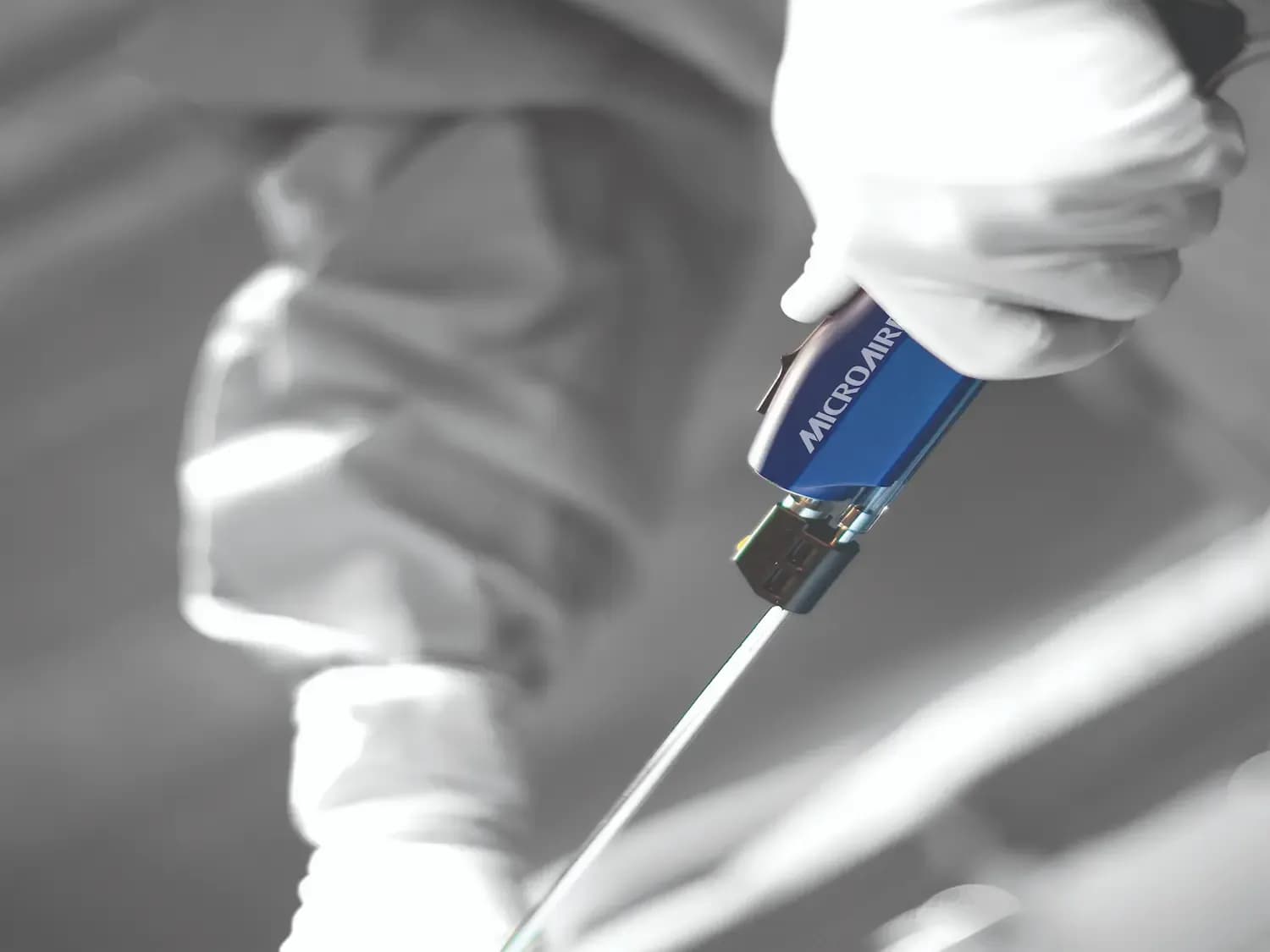
MicroAire PAL is a power-assisted liposuction system that a clinic should assess from three angles: surgical indication, equipment ergonomics, and fit within the workflow. The decision should not be based on the device alone, but on how it integrates with technique, the clinical team, and protocols.
MicroAire PAL in plastic and aesthetic surgery: what it contributes to the preliminary analysis
Introducing a power-assisted liposuction system requires both technical and organizational evaluation. In plastic and aesthetic surgery, the goal is to work with instruments that adapt to the surgeon’s criteria, the type of procedure, and the real dynamics of the operating room.
MicroAire PAL falls within the category of power-assisted liposuction systems. For a clinic, its relevance should not be framed as a promise of outcome, but as a tool that may influence the way the surgical step is performed, hand ergonomics, and work continuity during the procedure.
Before adopting any technology of this kind, it is advisable to review the clinic’s usual indications, case volume, the team’s experience, and compatibility with internal protocols. It is also useful to compare the decision with a general overview of Surgery equipment, especially if the clinic is updating several operating room areas.
Clinical and organizational criteria before adopting power-assisted liposuction
The first question is not whether a system is appealing, but whether it answers a specific need. In a plastic and aesthetic surgery unit, liposuction may be part of isolated or combined body procedures. Each context requires a different assessment.
When analyzing MicroAire PAL, the clinic should review:
- Type of procedures in which power-assisted liposuction is intended to be used.
- Surgeon technical preferences, including how cannulas and working planes are handled.
- The team’s experience with motorized or assisted systems.
- Preparation, sterilization, and maintenance protocols for the associated instruments.
- Operating room space and organization, including cabling, console, accessories, and staff circulation.
This review prevents the decision from being reduced to a technical data sheet. A device may be suitable for one clinic and not a priority for another if the cases, timings, or team structure differ.
It is also advisable to involve everyone participating in the full circuit: surgeons, scrub staff, sterilization personnel, and purchasing managers. Adoption will be more orderly if the needs of all profiles interacting with the system are considered.
Surgical control: assessing the tool without promising outcomes
In power-assisted liposuction, the concept of control should be understood cautiously. It does not mean guaranteeing a specific clinical outcome, but offering the surgeon a tool designed to accompany cannula movement through mechanical assistance.
MicroAire PAL is intended for power-assisted liposuction procedures. In practice, this means assessing how the system adapts to the surgeon’s usual technique: grip, instrument response, feel during advancement, and coordination with suction and cannulas.
The clinic may ask questions such as:
| Aspect to assess | Practical question |
|---|---|
| Surgical technique | Does the system fit the surgeon’s way of working? |
| Familiarization curve | What training does the team need before routine use? |
| Associated instruments | Which cannulas and accessories will be used in the planned cases? |
| Internal protocol | How is system preparation and inspection documented? |
This approach helps maintain rigorous communication with patients and the team. Technology can be part of the procedure, but indications, limitations, and expectations must continue to depend on medical judgment.
Ergonomics: hand, posture, and work continuity
Ergonomics is one of the reasons a clinic may evaluate power-assisted liposuction systems. In prolonged or technically demanding procedures, repetitive strain on the hand, forearm, and shoulder is part of operating room reality.
MicroAire PAL should be assessed from that perspective: how it is held, how it integrates with the surgical field, and how it influences the execution of the gesture. It is not appropriate to state that it eliminates fatigue or prevents injuries; the correct approach is to analyze whether its design supports a work dynamic compatible with the surgeon’s practice.
For a complete evaluation, it may be useful to observe:
- Perceived weight and balance during use.
- Grip comfort with gloves and in different positions.
- Access to controls without interrupting the surgical gesture.
- Relationship with the operating table, suction, and assistants.
- Handling during zone changes or cannula changes.
Ergonomics does not depend only on the device. Table height, patient position, lighting, team layout, and procedure duration also play a role. For that reason, the assessment should be carried out under conditions as close as possible to real practice.
Workflow: integration into the operating room and the clinic
Adopting MicroAire PAL is not merely about adding equipment to the operating room. It requires reviewing a circuit: material request, preparation, pre-use check, use, cleaning, sterilization, storage, and maintenance.
In clinics with scheduled surgical activity, workflow is especially important. A system used only occasionally can be managed one way; one integrated into multiple procedures requires more clearly defined protocols.
Before deciding, it is advisable to answer these questions:
- Who prepares the system and checks its components?
- Where is the equipment and associated instrumentation stored?
- How are use and maintenance recorded?
- What training does each team role need?
- How is it coordinated with other operating room equipment?
These questions have practical impact. An orderly adoption reduces improvisation and helps the team work with consistent criteria. It also helps identify whether the clinic needs additional training, internal documentation, or a technical demonstration before moving forward.
For a broader comparative analysis, you can consult the guide on how to choose a power-assisted liposuction system for a clinic, focused on selection criteria rather than outcome promises.
Technical evaluation with the supplier: what to request before deciding
The conversation with the supplier should focus on verifiable information that can be applied to the clinic’s environment. The aim is not to request a generic recommendation, but to compare specific needs.
In a professional consultation about MicroAire PAL, it is reasonable to request information about available configuration, accessories, usage requirements, maintenance, training, and support. It is also advisable to check whether the solution fits the clinic’s procedure portfolio and sterilization circuit.
The MicroAire PAL product sheet allows this review to begin from the product information. For a broader view of the surgical division, the Optimedic catalogs may help organize the comparison between available solutions.
At this stage, the medical team should avoid deciding based solely on affinity with the technology. The key question is whether the system improves the coherence of the clinic’s surgical workflow, always within the indications and criteria of the responsible surgeon.
Frequently asked questions
Does MicroAire PAL replace the surgeon’s technique?
No. MicroAire PAL is a power-assisted liposuction tool, but the indication, planning, and execution still depend on the surgeon. The technology must be integrated into an already defined technique, with appropriate training and clear internal protocols.
Which profiles should take part in the evaluation?
In addition to the surgeon, it is advisable to involve scrub staff, sterilization personnel, operating room coordination, and equipment managers. Each profile identifies different needs: preparation, cleaning, storage, intraoperative use, maintenance, and system documentation.
Does ergonomics guarantee less fatigue during surgery?
It should not be presented as a guarantee. Ergonomics makes it possible to analyze grip, balance, posture, and continuity of the gesture, but visual, cervical, lumbar, or upper-limb fatigue depends on multiple factors: procedure duration, position, technique, environment, and team organization.
How can you tell whether the clinic is ready to introduce it?
The clinic should review case volume and type, team training, sterilization protocols, maintenance, operating room space, and compatibility with its way of working. A technical demonstration or specialized consultation can help resolve doubts before making a decision.
Next step to evaluate MicroAire PAL
For a professional assessment, the most prudent approach is to compare clinical needs, ergonomics, and workflow with product technical information. You can review the MicroAire PAL product sheet, download surgery catalogs, or request information from Optimedic for a consultation tailored to the clinic.