What should a clinic assess before adopting an assisted liposuction system?
Adopting an assisted liposuction system involves much more than comparing technical specifications. We examine the factors that can help a clinic select technology aligned with its procedures and objectives.
Assisted liposuction systems should be chosen based on more than technical specifications alone. For a clinic, adopting new technology means assessing how well it fits the procedures performed, the surgical team's experience, and the expected evolution of clinical activity.
The technology should meet the clinic's real needs
The range of equipment for plastic surgery continues to grow, and there are now more and more options for performing assisted liposuction procedures.
However, before adopting a new platform, it is worth asking a simple question: what does the clinic really need?
Not all practices handle the same procedure volume, use the same techniques, or treat the same patient profile. For this reason, equipment selection should be based on the center's needs and not solely on the device's features.
A well-chosen technology should integrate naturally into daily practice and provide value to the professional from the very first procedure.
Beyond power: the importance of control
One of the aspects that usually receives the most attention when comparing equipment is power.
However, in clinical practice there are other factors that can directly influence the surgeon's experience, such as motion control, instrument ergonomics, or the ease of working during prolonged procedures.
The goal is not simply to have a powerful device, but a tool that allows precise, repetitive movements to be performed comfortably while adapting to the professional's usual technique.
For this reason, many clinics value systems that prioritize control and stability during the procedure.
Ergonomics is also part of the investment
During a liposuction procedure, thousands of repetitive movements may be performed.
Although the surgeon's technique and experience are decisive, the instrument can also influence comfort during the procedure.
When evaluating an assisted liposuction system, it is worth analyzing aspects such as:
- Handpiece design.
- Weight and balance of the instrument.
- Ease of handling.
- System response during continuous movements.
- Adaptation to different surgical techniques.
These elements can contribute to a more comfortable working experience, especially in long procedures.
Think about versatility, not just the current procedure
Many clinics adopt new technologies with present needs in mind.
However, it is equally important to consider how the center's activity will evolve over the coming years.
For example:
- Will the range of procedures expand?
- Will several surgeons work with the same device?
- Will secondary cases or fibrotic areas be treated?
- Will the instrumentation need to be adapted to different techniques?
Choosing a versatile platform makes it easier to respond to these changes without needing to add new equipment in the short term.
Training and learning curve
Adopting a technology also means facilitating its adoption by the medical team.
Before making a decision, it is worth assessing:
- The support offered during implementation.
- The clinical training available.
- The ease of integrating the system into the usual operating room workflow.
- The availability of technical assistance.
These aspects can be just as important as the equipment's own specifications.
MicroAire PAL: a platform developed for clinical practice
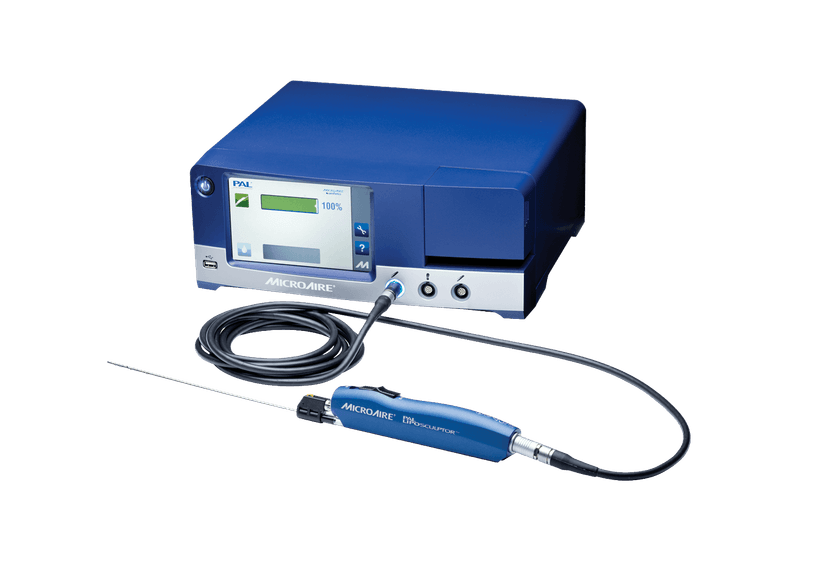
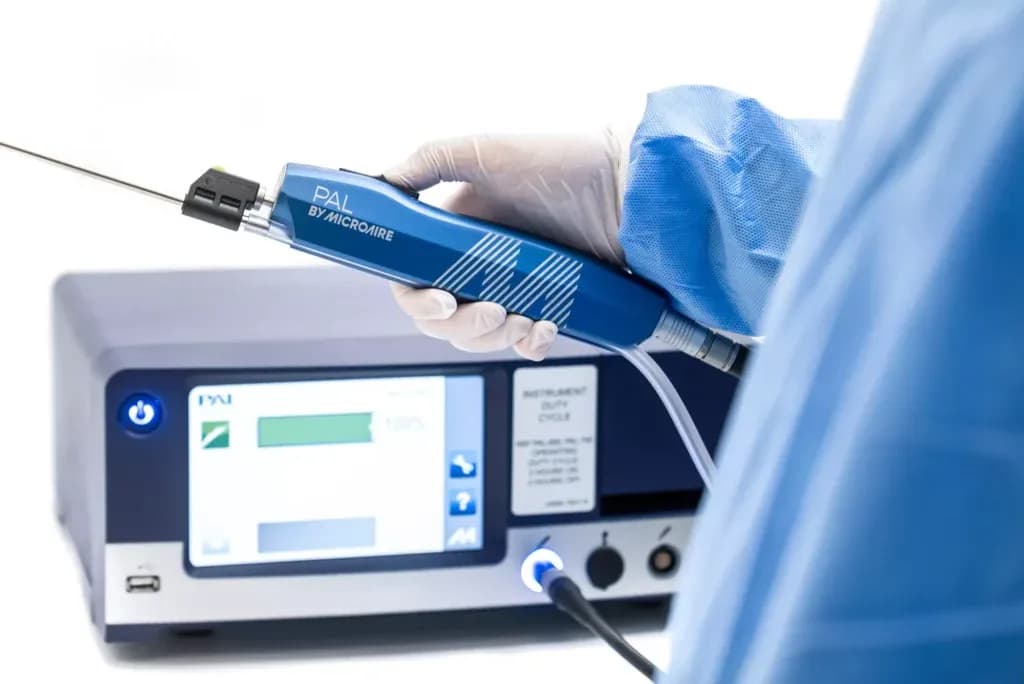
Among the assisted liposuction solutions currently available, MicroAire PAL (Power-Assisted Liposuction) has been developed with an approach focused on motion control and professional ergonomics.
Its assisted linear motion system allows the cannula's movement to be supported without changing the surgeon's technique, enabling precise and continuous work throughout the procedure.
In addition to its ergonomic design, the platform offers compatibility with different cannulas and can be integrated into various plastic surgery protocols, making it a versatile solution for clinics with diverse activity profiles.
You can find more information about MicroAire PAL at:
A decision that goes beyond equipment
The adoption of an assisted liposuction system should not be understood solely as the purchase of a device.
It also means incorporating a tool that will support the surgical team for years and become part of the professionals' daily experience.
For this reason, assessing aspects such as ergonomics, versatility, ease of integration, or specialized support can help make a choice aligned with the clinic's objectives and the evolution of its activity.
Frequently asked questions
What should a clinic evaluate before adopting an assisted liposuction system?
In addition to technical features, it is advisable to assess instrument ergonomics, ease of integration in the operating room, system versatility, technical support, and the training available for the team.
Is power the most important factor?
Not necessarily. The clinical experience also depends on motion control, comfort during prolonged procedures, and the system's ability to adapt to different surgical techniques.
Why is ergonomics important?
An ergonomic design can support a more comfortable working experience during repetitive or long procedures, helping the professional maintain precise control of the instrument.
What does MicroAire PAL offer a clinic?
MicroAire PAL combines an assisted linear motion system with a design focused on ergonomics and clinical versatility, offering a platform adaptable to different procedures and working styles.
Choosing technology means investing in the clinic's evolution
The adoption of new equipment responds not only to a technical need, but also to a growth strategy. Choosing an assisted liposuction system that adapts to the team's way of working, evolves with clinical practice, and offers specialized support can make a difference in the long term.
If you would like to learn about the features of MicroAire PAL or request a demonstration for your healthcare center, visit https://optimedic.es/en/surgery/products/microaire-pal or contact the Optimedic team via https://optimedic.es/en/contact?product=microaire-pal.