

Surgical Loupes · Ergonomics and health
ErgoZoom: when to choose variable ergonomic surgical loupes
A guide to assessing ErgoZoom within the Orascoptic range: ergonomics, variable magnification, working distance, and criteria for requesting a personalised assessment.
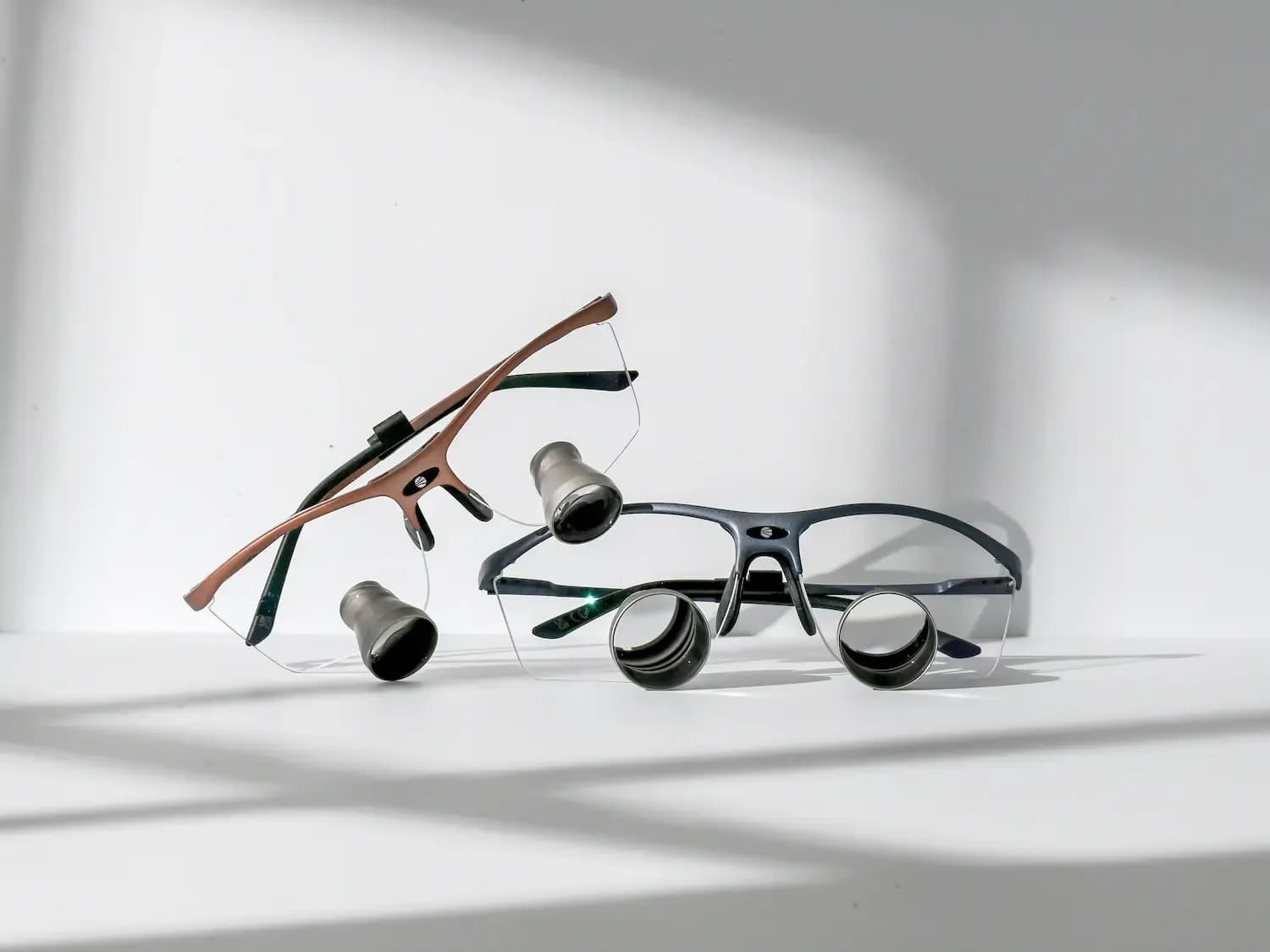
ErgoZoom is an Orascoptic surgical loupes option designed to combine a more ergonomic working posture with variable magnification. It may suit professionals who alternate between procedures with different magnification needs and want to assess posture, field of view, and working distance before making a choice.
ErgoZoom within Orascoptic surgical loupes
Within the range of Orascoptic surgical loupes, ErgoZoom is positioned as a solution for those who need variable magnification without giving up a configuration designed to support a more neutral working position. The idea is not simply to choose “more magnification”, but to adapt magnification to the type of task and the level of detail required.
With conventional loupes, the professional usually selects a fixed magnification. With a variable configuration, the aim is to provide greater flexibility when alternating between examination, preparation, suturing, microsurgery, or fine-detail work. This flexibility can be particularly useful in clinics and operating rooms where the same professional performs procedures with different visual complexity.
The ergonomic aspect is just as relevant. Ergonomic loupes are intended to help maintain the head and neck in a more aligned position while working. This does not replace a full postural assessment, but it is part of equipment selection when there are long working sessions, small operating fields, or tasks that require sustained visual concentration.
What to assess before choosing ErgoZoom
Before deciding whether ErgoZoom is the right fit, it is worth reviewing several technical and usage criteria. The choice should be based on the specialty, the actual working distance, the usual posture, and the most common procedures.
Magnification and procedure type
Magnification should not be chosen in isolation. The higher the magnification, the more detailed the view of the field, but the professional must also consider how the field of view and depth of focus behave. In procedures that combine general overview and detail, variable magnification can provide versatility.
For dentistry, plastic surgery, ENT, surgical dermatology, veterinary medicine, or other precision-based areas, the practical question is: does the same magnification need to be used throughout the entire procedure, or are there phases with different visual demands? If it is the latter, ErgoZoom may deserve specific assessment.
Working distance
Working distance is the separation between the professional’s eyes and the operating field when working in a functional posture. It should not be defined only on a table or from a forced position, because it affects focus, visual comfort, and cervical posture.
An incorrect distance can lead to compensations: bending the neck, bringing the torso too close, or changing shoulder position. That is why measurement should take into account the real working environment, the chair or surgical table, the patient’s height, and the usual technique.
Field of view and depth of focus
The field of view determines the width of the area visible through the loupes. Depth of focus indicates the range within which the image remains in focus without constantly adjusting posture. Both are important when working with repeated movements or changes in plane.
In a variable-magnification loupe, these factors should be reviewed with particular attention. The professional may need more detail in a specific phase, but also enough anatomical context to maintain orientation and safe movements. The choice should balance visual precision, comfort, and working flow.
When it may fit compared with other configurations
ErgoZoom may be a good fit when the professional is looking for a solution that combines ergonomics and magnification flexibility. It will not always be the right choice for every profile; in some cases, a fixed-magnification loupe may be sufficient, especially if procedures are very consistent and the working distance is clearly defined.
It may make sense to assess ErgoZoom in these scenarios:
- Professionals who alternate between overview procedures and fine-detail work.
- Long working sessions with loupe use and a need to protect cervical posture.
- Specialties where the operating field changes in depth or size.
- Users who already know their visual needs and want more versatility.
- Teams wishing to compare an ergonomic configuration with other TTL or flip-up loupes.
It is also worth reviewing how it integrates with the frame, perceived weight, headlight, and the professional’s working style. The loupe is not chosen in isolation: it is part of a visual system that includes ergonomics, light, posture, and clinical habits.
To go deeper into the postural approach, it may be useful to read the guide on when ergonomic surgical loupes pay off, especially if the main goal is to reduce compensatory strain during prolonged work.
Frequently asked questions
Is ErgoZoom an ergonomic surgical loupe?
Yes. ErgoZoom is aimed at professionals looking for a surgical loupes configuration with an ergonomic focus and variable magnification. Ergonomics should be assessed together with working distance, usual posture, and procedure type, because custom adjustment influences the user experience.
When does it make sense to choose ErgoZoom over a fixed-magnification loupe?
ErgoZoom may make sense when the professional alternates tasks with different magnification needs. If all procedures are very similar, a fixed configuration may be enough. The decision should be based on the magnification required, field of view, depth of focus, and the actual way of working.
What information should be reviewed before trying ErgoZoom?
It is advisable to review the specialty, usual procedures, working distance, cervical posture, lighting needs, and frame preference. It is also important to check how the field of view and depth of focus behave in a situation close to normal clinical use.
Does ErgoZoom suit every healthcare specialty?
It should not be assumed automatically. It may fit various precision-based specialties, but the indication depends on the type of procedure, duration of use, level of detail required, and working posture. A technical assessment helps compare alternatives more reliably.
Personalised assessment before deciding
Choosing ErgoZoom should be based on a technical evaluation, not just magnification preference. Measuring working distance, reviewing posture, and comparing configurations makes it easier to choose with greater confidence. To resolve questions about fitting and trial, it is advisable to request information about surgical loupes with an Optimedic specialist.