Surgery and equipment · Ergonomics and health
Surgical Precision Also Depends on the Instruments
When discussing surgical precision, attention usually focuses on the surgeon's experience or the technique used. However, instruments also play a fundamental role in the way procedures are performed, the level of control during surgery, and the professional's ergonomics.
When discussing surgical precision, it is common to think about the professional's experience, procedure planning, or surgical technique. However, there is another element that has a decisive influence and often goes unnoticed: the instruments. Tools designed to adapt to the surgeon, rather than the other way around, can make a significant difference in the way work is carried out during a procedure.
Precision does not depend on technique alone
Modern surgery has evolved extraordinarily over recent decades. New techniques, better visualization systems, and advances in medical imaging have expanded the possibilities across many specialties.
However, there is one aspect that usually receives less attention: the instruments the surgeon uses during each procedure.
After all, they are the point of contact between the professional and the patient. Every movement, every gesture, and every decision passes through a tool that must respond with precision, smoothness, and reliability.
That is why talking about surgical precision also means talking about instruments.
When a tool works with the surgeon
The best tools are not necessarily those with the most features.
They are the ones that allow the professional to focus on the procedure without having to think constantly about the instrument itself.
A balanced design, intuitive handling, and predictable response help the surgeon work naturally, especially during long or technically demanding procedures.
In this context, innovation is not only about adding technology, but about ensuring it integrates naturally into clinical practice.
The evolution of instruments also drives innovation
We sometimes associate surgical innovation with large systems: robotics, navigation, artificial intelligence, or new visualization systems.
However, many of the improvements that transform the professional's daily work come through the tools they hold in their hands throughout the procedure.
Instruments have evolved to offer greater control, support ergonomics, and optimize the surgeon's experience without altering their natural way of working.
That evolution, although less visible, has a direct impact on clinical practice.
MicroAire PAL: a tool designed to work with the surgeon
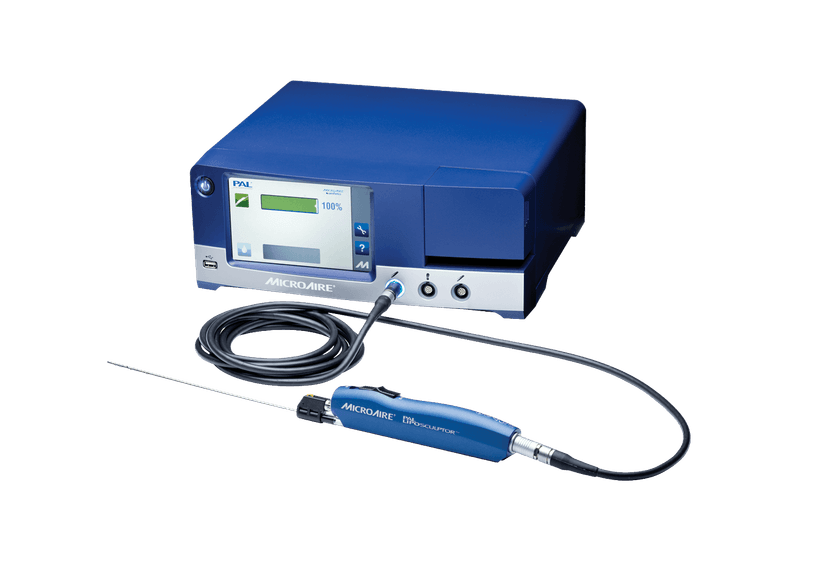
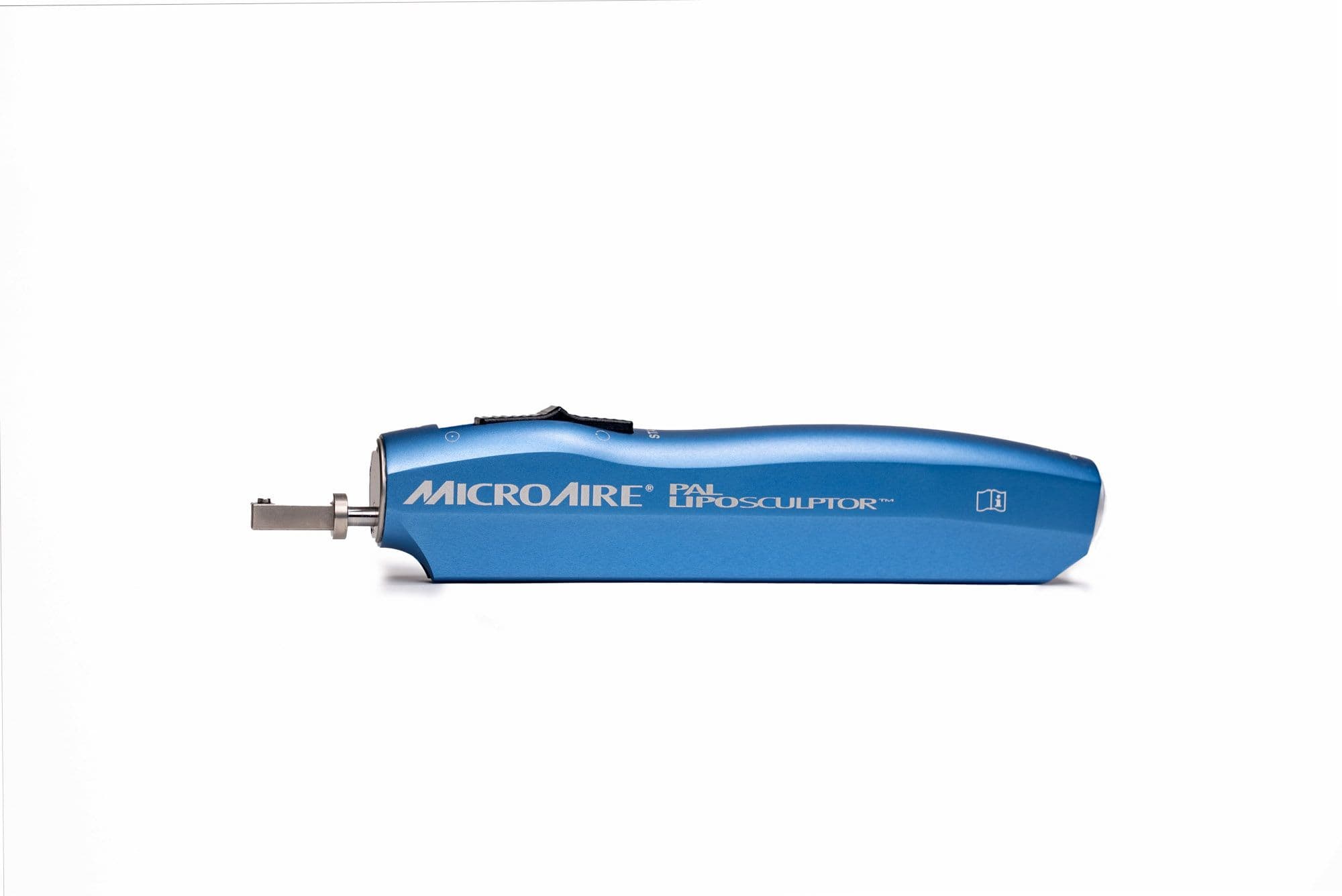
One example of this philosophy is MicroAire PAL.
This power-assisted liposuction system has been developed to facilitate the surgeon's work through controlled pneumatic motion that contributes to smoother cannula handling during the procedure.
Beyond its technical features, the goal of the technology is to integrate into the professional's natural workflow, supporting precise handling and a comfortable user experience during surgery.
This approach turns the instrument into an ally of the surgeon, allowing them to focus their attention on the technique and the procedure.
You can learn more about MicroAire PAL at MicroAire PAL.
When ergonomics also improves precision
Precision does not depend only on vision or technical knowledge.
It is also related to posture, physical effort, and comfort during the procedure.
More and more manufacturers are developing instruments with not only the patient in mind, but also the professional who will use them for thousands of hours throughout their career.
Reducing unnecessary movements, supporting more natural handling, and improving ergonomics helps create a more efficient and comfortable working environment.
In this sense, innovation is no longer understood solely as a technological advance, but becomes an improvement in the surgical experience.
Choosing instruments is also a strategic decision
When evaluating a new technology, it is common to compare technical specifications.
However, instruments are part of the surgeon's daily work, and their impact goes far beyond a technical data sheet.
Before incorporating a new tool, it is worth asking:
- Does it make work easier during lengthy procedures?
- Does it adapt naturally to the professional's way of working?
- Does it help improve ergonomics?
- Is it designed to deliver precision and control consistently?
- Will it continue to provide value as the team's needs evolve?
Answering these questions helps support decisions that benefit both the professional and the clinic.
Frequently asked questions
Why do instruments influence surgical precision?
Because they are the element that directly connects the professional to the procedure. Well-designed instruments support control, ergonomics, and fluid movement during surgery.
What does MicroAire PAL offer the surgeon?
MicroAire PAL has been developed to provide a smoother working experience through an assisted motion system, supporting control and comfort during liposuction procedures.
Does surgical innovation depend only on large systems?
No. In addition to visualization systems or robotics, the evolution of instruments also helps improve clinical practice and the professional's experience.
How does Optimedic help with choosing surgical technology?
At Optimedic, we advise hospitals and clinics on selecting technologies that deliver long-term value, prioritizing solutions that combine innovation, ergonomics, and clinical utility for the professional.
The best technology works alongside the professional
Surgical innovation does not always come in the form of large systems or revolutionary changes. In many cases, it is present in the tools the surgeon uses in every procedure and that, thanks to a design created for clinical practice, allow them to work with greater naturalness, control, and confidence.
At Optimedic, we select technologies that share this philosophy. MicroAire PAL is an example of how instruments are also evolving to support the professional and contribute to more efficient, precise, and ergonomic surgery. If you would like to learn more about this solution or receive advice, visit MicroAire PAL, explore the Surgery area, or contact our team through Contact.