Surgery and equipment
MicroAire PAL assisted liposuction: system and clinical uses
A technical overview of MicroAire PAL for assisted liposuction: how it works, where it is used and what to consider in the operating room.
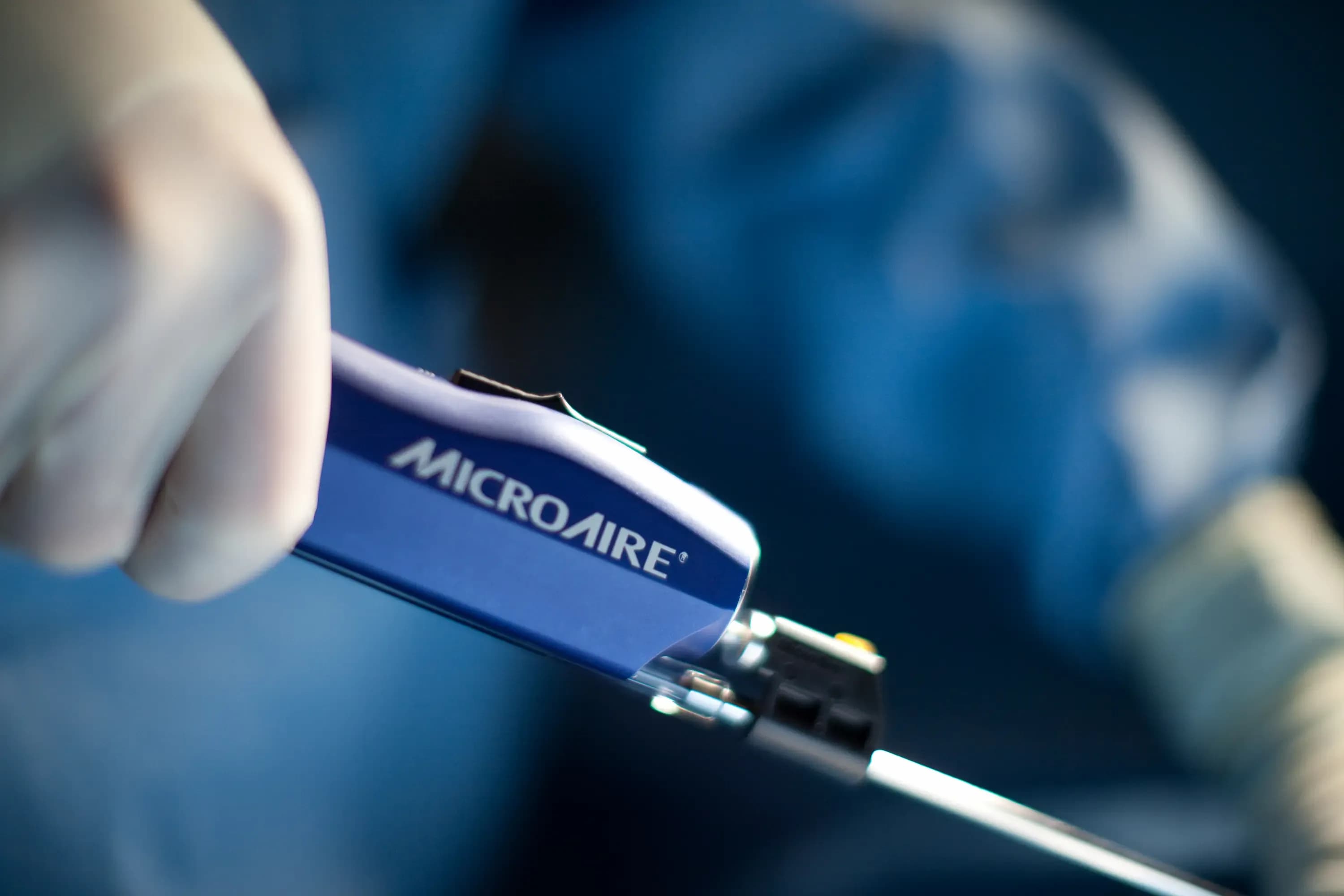
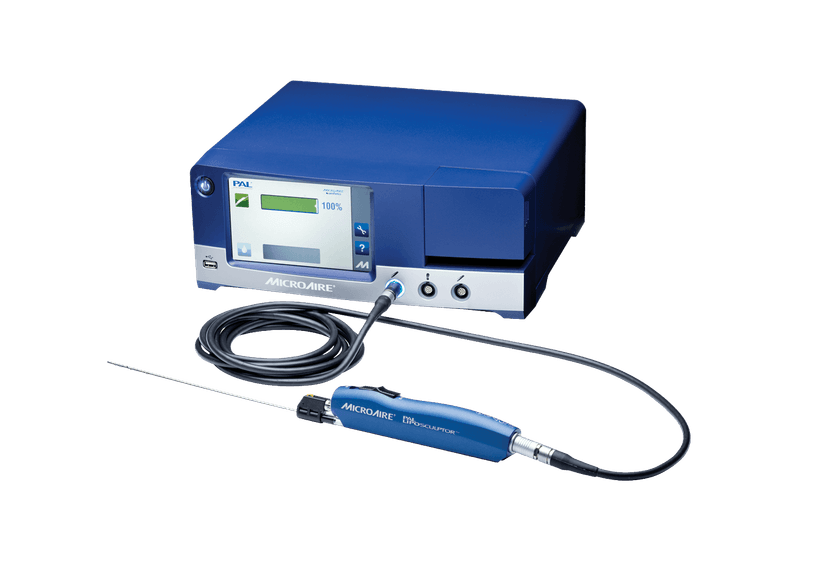
MicroAire PAL assisted liposuction is a powered system designed to facilitate the aspiration of adipose tissue through controlled cannula movements. It is used in plastic surgery to optimise procedural efficiency, especially in fibrous areas or longer interventions.
MicroAire PAL assisted liposuction: what it is and how it works
Power-Assisted Liposuction (PAL) technology is based on an oscillating cannula movement that reduces the need for continuous manual force from the surgeon. This mechanical pattern enables more homogeneous adipose tissue extraction and greater stability in controlling the working plane.
In the MicroAire PAL system, the motor generates repetitive micro-movements that:
- Facilitate cannula advancement in fibrous tissue
- Reduce hand fatigue during prolonged procedures
- Help maintain a more consistent technique throughout the intervention
For a complete overview of the system, you can consult the MicroAire PAL product page within the Surgery division.
Common clinical indications in aesthetic surgery
MicroAire PAL assisted liposuction is used in different contexts within plastic and aesthetic surgery:
- Conventional liposuction in the abdomen, flanks or thighs
- Treatment of areas with greater fibrous density (back, gynecomastia)
- Combined procedures with fat transfer
- Secondary or revision surgeries
In these scenarios, the system can contribute to greater operative efficiency, especially when sustained precision is required over long periods.
Technical considerations in the operating room
The use of PAL systems involves taking certain practical aspects into account:
- Cannula selection according to the anatomical area
- Oscillation frequency control adapted to the tissue
- Surgeon ergonomics, especially in prolonged procedures
- Compatibility with standard infiltration techniques
Integration of the system into the surgical workflow should be assessed according to the type of procedure and the team's preferences.
To explore other equipment available in this line, you can review the Surgery surgical equipment catalogue.
Differences compared with traditional manual liposuction
| Aspecto | Manual liposuction | MicroAire PAL |
|---|---|---|
| Cannula movement | Manual | Powered oscillating |
| Surgeon fatigue | Greater in long procedures | Reduced |
| Control in fibrous tissue | More demanding | More stable |
| Working pace | Variable | More consistent |
These differences do not replace surgical technique, but they do change the way the procedure is performed.
Frequently asked questions
What advantages does MicroAire PAL offer compared with other systems?
MicroAire PAL assisted liposuction introduces a controlled mechanical movement that can facilitate work in dense areas or during long procedures. It does not replace surgical technique, but it can improve movement consistency and reduce the surgeon's physical workload.
Is it suitable for high-definition liposuction?
It can be used in procedures that require precision, provided it is combined with the appropriate technique. Cannula control and the surgeon's experience remain decisive factors in aesthetic outcomes.
Does it require specific training?
Yes, like any powered system, it requires familiarisation with the movement pattern and tissue response. The adaptation curve usually focuses on controlling pressure and cannula direction.
Can it be combined with other technologies?
It is usually integrated with standard infiltration and aspiration techniques. Combination with other technologies will depend on the centre's surgical protocol and the type of intervention.
Access to MicroAire PAL and technical contact
To obtain full technical specifications or assess its integration in the operating room, you can go directly to the MicroAire PAL page or request personalised information through specialised contact for MicroAire PAL.