Surgery and equipment · Ergonomics and health
Lighting as a natural extension of the surgeon's vision
In surgery, lighting is not just about providing more light. It must also integrate naturally with the clinician's vision to follow every movement and support a more comfortable, precise and efficient working experience.
Surgical lighting is an essential element in any procedure, but its value does not depend solely on light intensity. When light naturally follows the surgeon's vision, it stops being a separate element and becomes an extension of the way they work, supporting precision, ergonomics and procedural continuity.
Lighting should not force the surgeon to adapt
During a procedure, the clinician's attention should be focused on the patient and the surgical technique.
However, in many cases lighting requires constant adjustments, changes in position or the intervention of another team member to direct the light correctly toward the surgical field.
Although these actions may seem minor, they interrupt the natural flow of the procedure.
The best lighting is the kind that supports the surgeon's work without becoming a constant concern.
When light follows the gaze, the procedure flows
Every head movement responds to a clinical need: observing an anatomical detail, changing the working angle or accessing another area of the surgical field.
If the lighting follows that movement naturally, attention remains where it truly matters.
It is not about having more light output.
It is about ensuring the light is always where the clinician needs it.
This integration between vision and lighting makes it possible to work with greater continuity and avoids constant reliance on repositioning external lamps.
Lighting is also part of ergonomics
Ergonomics in the operating room is often associated with posture or visualisation systems.
However, lighting also influences the way clinicians work.
When the professional can maintain a natural posture without constantly changing position to find the right lighting angle, the procedure becomes more comfortable and fluid.
That is why lighting should not be understood as an isolated element, but as an integrated part of the surgical environment.
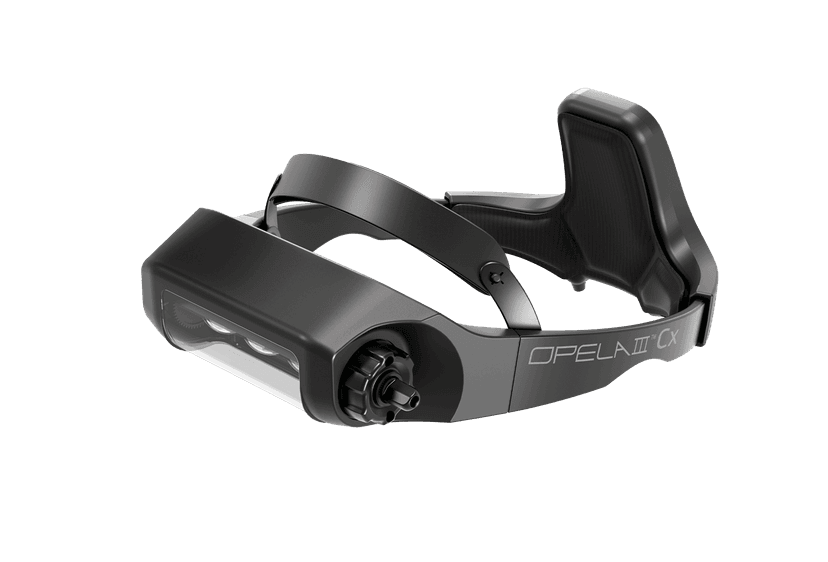
Opela III Cx: lighting designed to support the clinician
This is the philosophy behind Opela III Cx.
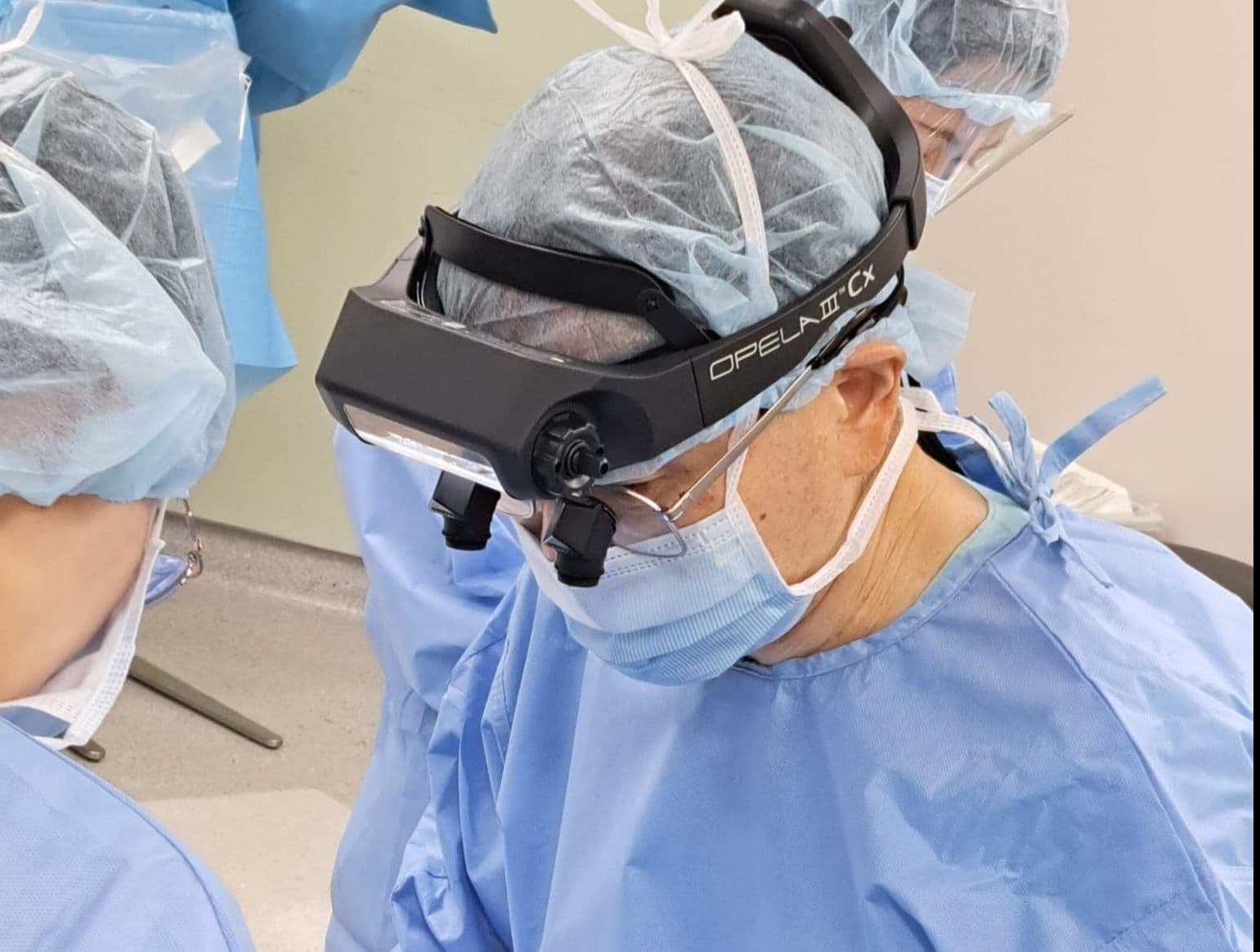
When integrated with surgical loupes, the system directs the light exactly to the same point the clinician is viewing, allowing the light to follow every head movement.
The result is not simply a better illuminated field.
It is a more natural way of working, where lighting no longer demands attention and instead becomes a tool that supports the surgeon throughout the procedure.
You can learn more about this solution at Opela III Cx.
Designing technology around the clinician
The best technologies are not always those with the most features.
In many cases, they are the ones that remove small interruptions from daily work.
When lighting, visualisation and instrumentation work in coordination, the clinician can focus fully on the procedure.
That is the goal of innovation in the operating room: to develop tools that integrate naturally into clinical practice and add value without adding complexity.
Frequently asked questions
Why is it important for lighting to follow the surgeon's gaze?
Because it keeps the surgical field illuminated exactly where the clinician is working, reducing the need to readjust external light sources and supporting a more continuous workflow.
Does higher light intensity mean better lighting?
Not necessarily. In addition to intensity, factors such as light direction, stability and the ability to remain aligned with the clinician's field of view also matter.
What does Opela III Cx bring to the surgical environment?
Opela III Cx provides front-mounted lighting integrated with loupes, allowing the light to follow the surgeon's movements during the procedure and contributing to a more comfortable and precise working experience.
How does Optimedic help you choose a surgical lighting system?
At Optimedic, we advise hospitals and clinics on selecting solutions tailored to each specialty, taking into account ergonomics, workflow and the specific needs of each surgical team.
The best lighting is the kind that stops being the focus
Good lighting does not stand out by forcing the clinician to think about it, but by integrating so naturally into the procedure that it becomes almost unnoticeable.
At Optimedic, we are committed to technologies that improve the surgeon's experience in daily practice. Opela III Cx reflects that philosophy, offering lighting aligned with the clinician's vision to support smoother, more ergonomic and more precise work. If you would like to learn more about this solution, visit Opela III Cx, explore the Surgery area or request advice through Contact.