

Surgery and equipment · Clinical applications
Aesthetic medical technology: what clinics should assess first
A concise guide for clinics assessing aesthetic medical technology: indication, training, support, workflow and real use in practice.
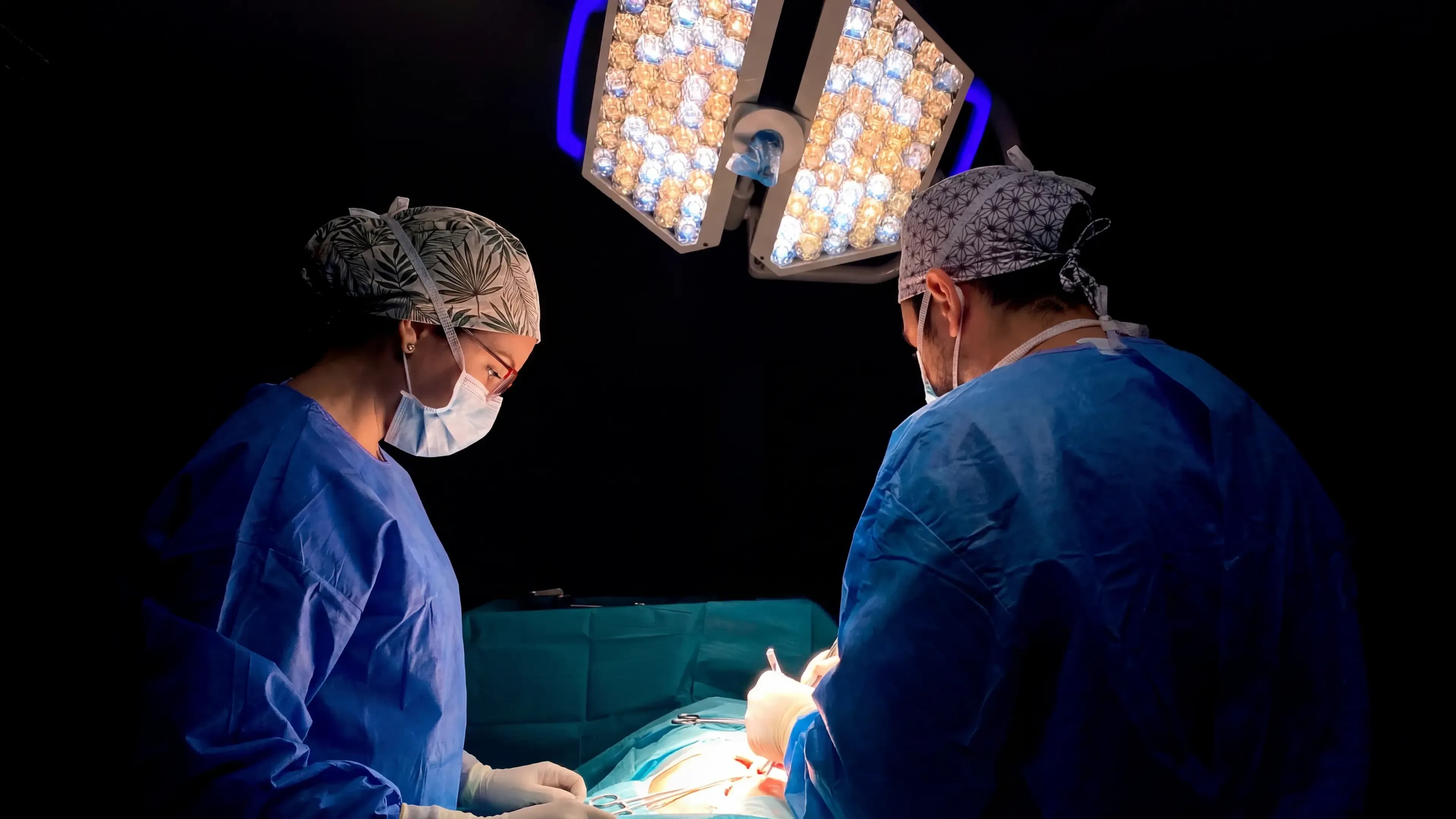
Aesthetic medical technology should be assessed by clinical fit, real use in practice, training needs, technical support and alignment with the clinic’s treatment portfolio. Before adding a device, a clinic should define what problem it solves, which patients it serves and how it will fit into daily workflows.
Aesthetic medical technology starts with the indication
The decision should not start with a product brochure, but with a clinical need. The clinic may want to expand non-invasive procedures, strengthen body treatments, add dermal remodeling or support an existing surgical line.
When the indication is clear, technology comparison becomes more useful. The team can distinguish between a device that complements current activity and one that requires major changes in scheduling, training or patient communication.
It is also important to avoid absolute claims. A device does not replace medical judgement or guarantee outcomes on its own. Its value depends on patient selection, defined protocols and cautious expectation management.
Clinical criteria before investing
The first criterion is the patient profile. The clinic should ask whether it already receives enquiries related to the indication or whether it would need to attract a new profile. If a new profile is required, the investment also needs communication and acquisition planning.
The second criterion is compatibility with current protocols. Treatment time, patient preparation, follow-up, consumables, room availability and staff coordination should all be reviewed. For technologies such as Sofwave or Ellisys Sense, the key question is not only what the device does, but how it will be used in the clinic.
The third criterion is responsible communication. The clinic should be able to explain what the technology may contribute and what its limits are, without guaranteed results or universal claims.
Operational criteria after purchase
Many decisions fail not because of limited initial interest, but because implementation has not been planned. Training, technical support and expected use should therefore be assessed before the purchase.
Training should cover handling, indications, limitations, routine maintenance and patient communication. It is also useful to appoint an internal lead so that the device does not become underused after the first weeks.
Technical support is part of the decision. The clinic should know who to contact, how incidents are handled, what documentation is available and what implementation support the supplier provides.
Checklist before adding a device
- Which clinical indication will it address?
- Which current patients could be suitable?
- What training will the team need?
- What room, schedule and protocol requirements apply?
- What technical support is provided?
- Which limits must be explained to patients?
- Which metrics will be reviewed after the first months?
This approach helps avoid impulsive purchases and links technology to the clinic’s strategy. Related reading includes how to prevent a technology investment from becoming obsolete too soon and how to expand your treatment portfolio without multiplying equipment.
Frequently asked questions
What should a clinic assess before buying aesthetic medical technology?
It should assess the indication, patient profile, workflow integration, training, technical support and expected use. Novelty should not matter more than real fit with clinical activity.
Is a versatile or specialized device better?
It depends on the clinic’s strategy. A versatile device can cover several indications when demand exists. A specialized device can make sense when it answers a frequent and clearly defined need.
When should a clinic seek advice?
Advice is useful when comparing technologies, opening a new treatment line or checking compatibility with workflow and staff. A preliminary review can prevent decisions based only on trends.
Next step
Clinics can review the Surgery products section or contact the team through Optimedic contact.